Tire Safety Reminders Issued Ahead of Indonesia’s 2026 Eid Homecoming Travel
Jakartaweekly.com — As Indonesia prepares for the annual Eid homecoming travel season, PT Bridgestone Tire Indonesia is reminding motorists to ensure their vehicles—especially tires—are in proper condition before undertaking long-distance journeys.
The company says tire maintenance is often overlooked by drivers who focus primarily on engine servicing before traveling hundreds or even thousands of kilometers to their hometowns.
Poor tire conditions, however, can significantly increase the risk of accidents. Tires that are worn, improperly inflated, or structurally damaged may lead to blowouts, particularly when vehicles carry heavy loads or travel at high speeds on uneven roads.
“Road safety during the homecoming travel period is crucial. Drivers should pay attention not only to engine performance but also to the tires, which are the only part of a vehicle in direct contact with the road,” said Mukiat Sutikno, President Director of Bridgestone Indonesia.
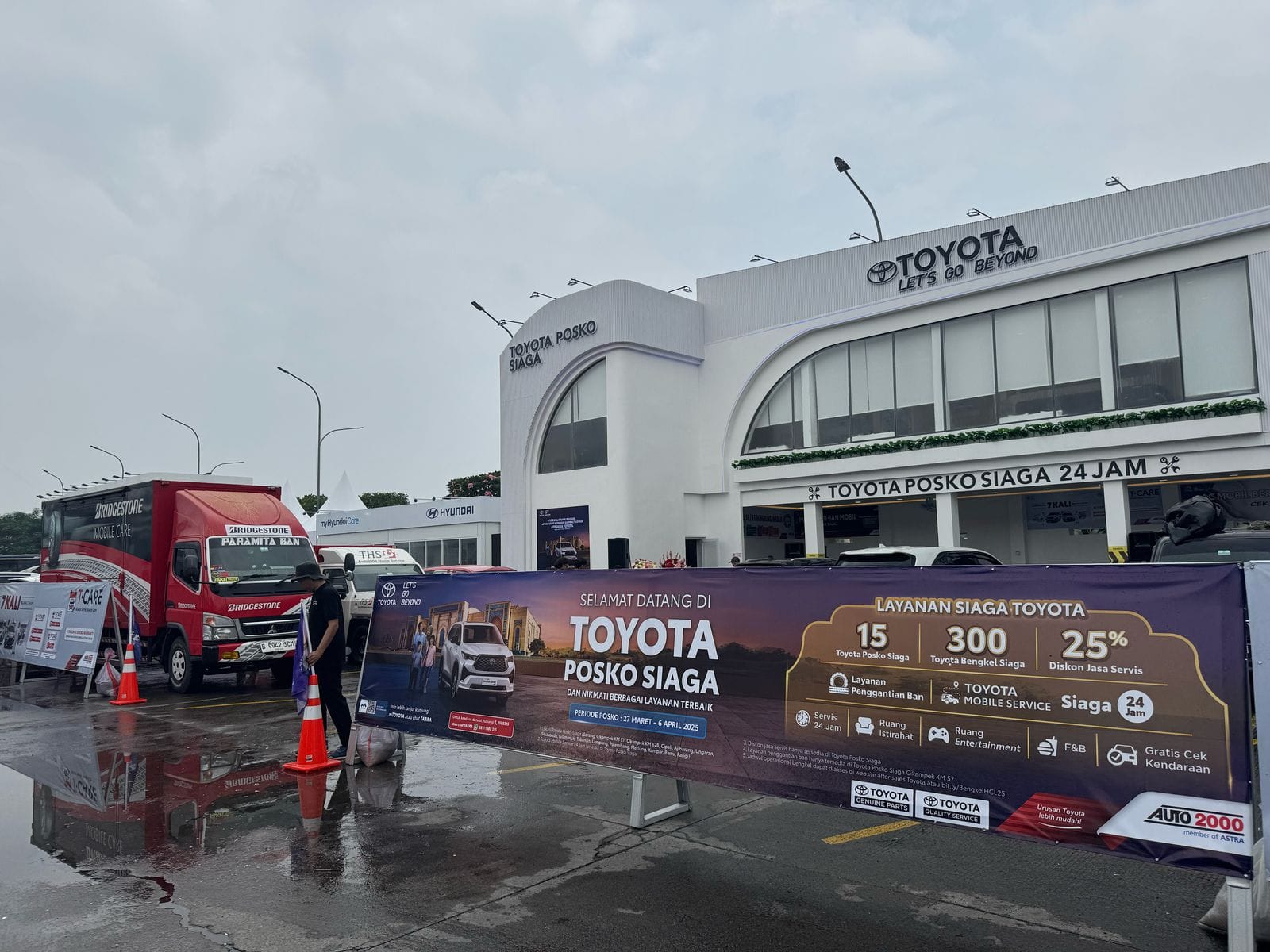
To support road safety during the travel period, the company is providing free tire inspection services at two rest areas along the Cikampek Toll Road, located at KM 57 and KM 62.
Why Tire Maintenance Matters Before Long Trips
Proper tire care can significantly improve both safety and driving comfort during long journeys.
Reducing the Risk of Tire Blowouts
Checking tire pressure and ensuring there are no visible damages such as bulges or excessive wear can reduce the risk of tire failure, especially when vehicles carry additional passengers and luggage.
Maintaining Vehicle Control
Well-maintained tires provide better traction, which is essential for sudden braking, maneuvering, and driving on wet roads or sharp turns.
Improving Energy Efficiency
Correct tire pressure reduces rolling resistance, helping vehicles consume fuel or electricity more efficiently.
Enhancing Comfort
Properly maintained tires reduce vibration and improve overall ride comfort. Drivers are also advised to ensure their spare tire is in usable condition.
Common Tire Myths Drivers Should Avoid
Bridgestone also highlighted several misconceptions about tire use that can compromise safety.
Lowering Tire Pressure in Rain
Reducing tire pressure during rainy conditions does not improve grip or prevent hydroplaning. Instead, it may increase the risk of tire damage and reduce stability.
Ignoring Load Limits
Each tire has a specific load index. Exceeding this limit—common during the homecoming travel season when vehicles carry extra passengers and luggage—can cause excessive heat buildup and increase the risk of blowouts.
Assuming New Tires Need No Inspection
Even newly installed tires should still undergo pressure checks, balancing, and proper installation to ensure optimal performance.
Using Inner Tubes in Tubeless Tires
Installing an inner tube inside a tubeless tire to fix a puncture can compromise the safety design of the tire. (***)
Discover more