Earthquake Shakes Bitung and Ternate: ASDP Ensures Ferry Services Remain Safe and Under Control
JAKARTA, Jakartaweekly.com – PT ASDP Indonesia Ferry has ensured that ferry services remain safe and under control following a 7,6-magnitude earthquake that struck Bitung and Ternate on Thursday, April 2, 2026, at 05:48 a.m. WIB.
ASDP President Director Heru Widodo emphasized that the company responded swiftly by ensuring all operations—particularly in affected areas such as Ternate and Bitung—continue to run optimally, alongside heightened vigilance across all lines.
“We have ensured that all operational lines are moving quickly and in a coordinated manner. Fleet readiness, personnel preparedness, enhanced information monitoring, and coordination with stakeholders are key to maintaining safe and controlled services,” Heru said in a press statement on Thursday, April 2, 2026.
He noted that monitoring results in the ASDP Bitung Branch area show that port facilities, parking areas, and waiting rooms remain in safe condition. Operations are also running normally, with relatively calm sea conditions, allowing ferry services to continue without significant disruption.
Heru added that 6 vessels serving 11 routes have been reported to be in good condition. Management has also ensured that all crew members and employees are safe, while customer services continue to run smoothly.
KMP Ranaka, which serves the Bitung–Tobelo route, is currently operating safely and under control. Earlier, the vessel had been approximately 65 miles from the earthquake’s epicenter, but it continued operations with due attention to safety measures.
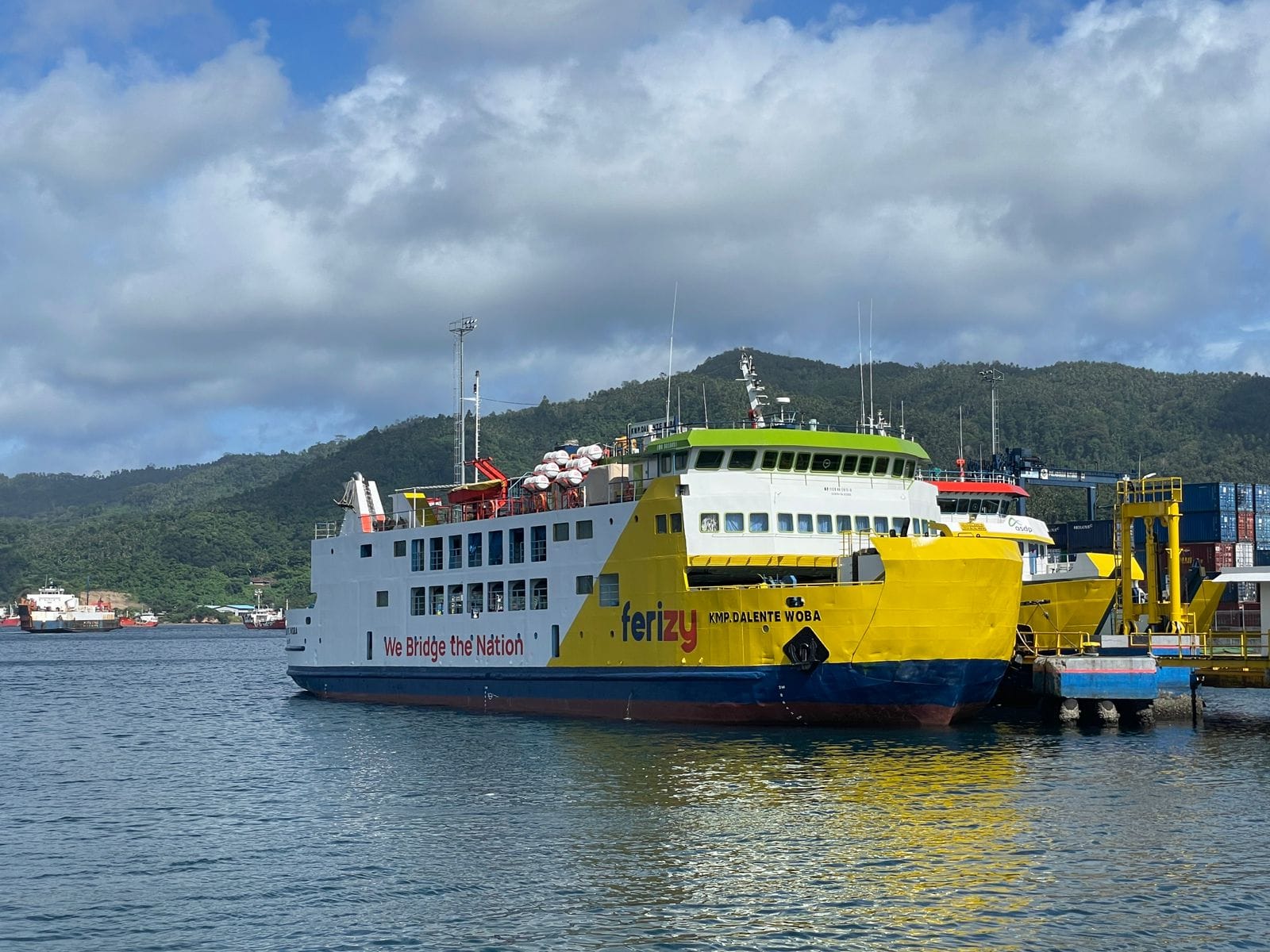
One of the busiest routes in the region, the Bitung–Ternate route, continues to operate normally and optimally. Ferry services on this route are supported by KMP Dalente Woba and KMP Portlink VIII, which operate on a scheduled basis to ensure the smooth movement of passengers and the distribution of logistics.
Meanwhile, ASDP Ternate Branch General Manager Mushar Usman stated that ferry operations at Bastiong, Rum, and Sidangole ports are continuing as normal. There have been no reports of damage to port facilities, vessels, or the working environment.
“As a precautionary measure against aftershocks, we have implemented a work-from-home (WFH) policy for non-operational employees. However, operational services continue in full to ensure that the public’s mobility needs are met,” Mushar said.
Discover more