Jakarta to Crack Down on Illegal Waste Disposal
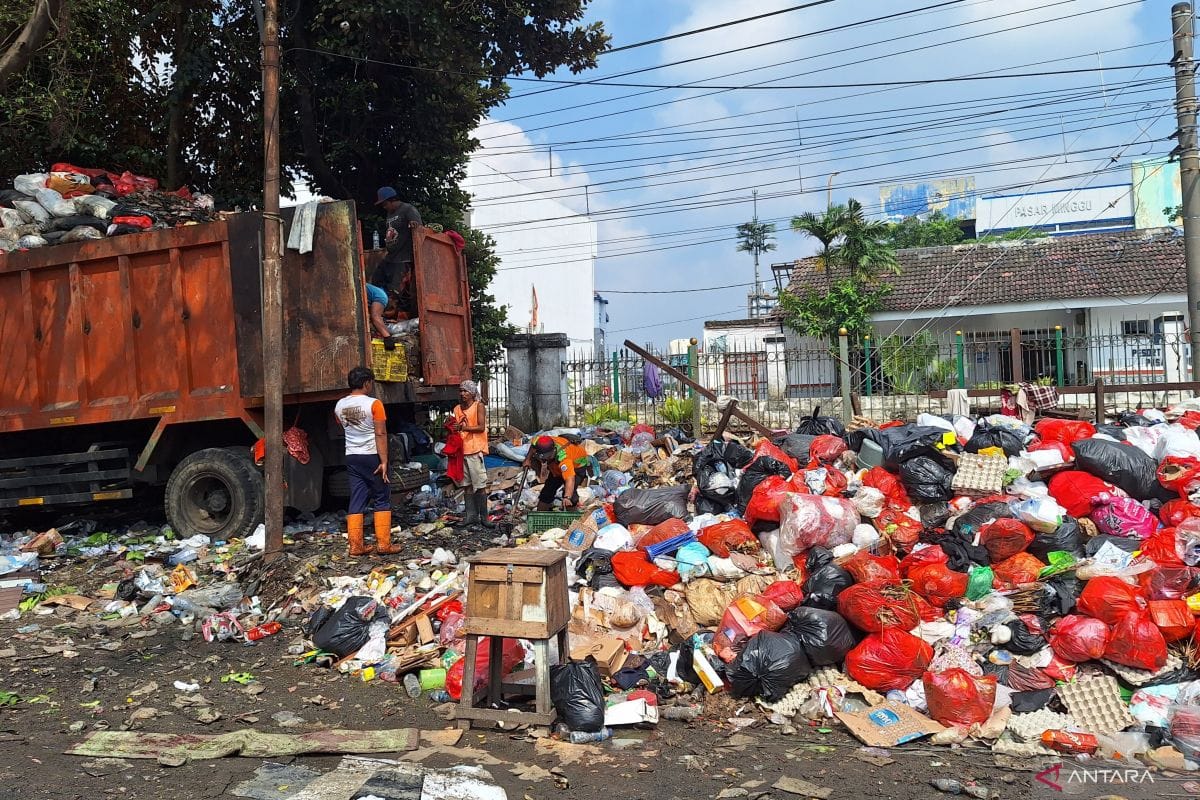
JAKARTA, Jakartaweekly – The Jakarta provincial administration is stepping up efforts to improve waste management by taking firm action against private waste haulers, companies, and industrial estate operators found dumping or stockpiling waste illegally. Violators will face a range of sanctions, including administrative penalties, public disclosure of non-compliance, temporary suspension of business operations, and the revocation of operating permits.
The move is intended to ensure that businesses take full responsibility for managing the waste they generate and transport, rather than shifting the burden onto the government and the public. Under the policy, private waste collection companies and businesses that profit from waste transportation services are required to handle waste properly, orderly, and in accordance with existing regulations.
Governor Pramono Anung reiterated the administration’s commitment while responding to a recent case of illegal waste stockpiling in Penjaringan, North Jakarta, involving a private waste transportation company.
“I want to specifically highlight the incident in Penjaringan, where waste transportation and collection were handled by a private operator. They collected waste from the hotel, restaurant, and catering (HORECA) sector, generated excessive profits, then dumped the waste in Penjaringan, ultimately creating a problem that had to be resolved by the Jakarta provincial government,” Pramono said.
He stressed that such practices could no longer be tolerated because they harm local communities, pollute the environment, and place an unnecessary burden on public services. The administration, he added, will ensure that every company engaged in waste transportation and management fulfills its legal obligations responsibly.
“In the past, private waste haulers, companies, and industrial estate operators were rarely subjected to legal action. This time, I have instructed all relevant agencies to publicly identify offenders and proceed with legal enforcement,” the governor said.
Head of the Jakarta Environment Agency Dudi Gardesi said enforcement measures would be implemented firmly and proportionately, depending on the severity of each violation. Beyond creating a deterrent effect, he said, the policy aims to establish a more accountable and equitable waste management system across the capital.
“Businesses must be held accountable for the waste they generate and transport. The government cannot continue bearing the consequences of violations committed by parties that profit from these activities,” Dudi said.
Under Governor Regulation No. 102/2021 on Waste Management Obligations for Business Areas and Companies, companies or estate managers that fail to comply with waste management requirements will receive a series of written warnings. The first warning is issued with a compliance period of 14 days, followed by a second warning of seven days, and a third warning of three days.
Should a company fail to comply after the third warning, the provincial government may publicly identify it through official government communication channels as a business potentially contributing to environmental pollution. The disclosure is intended to promote transparency while encouraging greater compliance among business operators.
The same enforcement mechanism also applies to holders of waste management and waste transportation licenses. If repeated written warnings are ignored, the Jakarta Investment and One-Stop Integrated Services Agency may impose administrative sanctions ranging from the temporary suspension of business licenses to their permanent revocation, based on recommendations from the Head of the Environment Agency or other authorized officials.
Through the stricter enforcement policy, the Jakarta administration has underscored that improving waste management is not solely about expanding infrastructure and public services, but also about ensuring that businesses comply with environmental regulations and take full responsibility for the waste generated through their operations.
Discover more