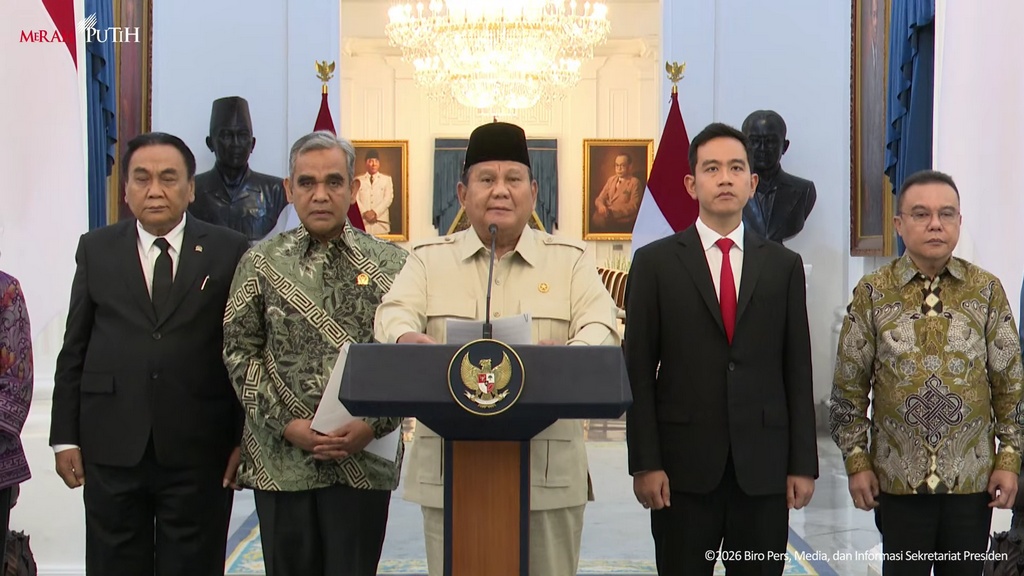
Gibran Resigns: Concerns Over Military Influence in the Vice Presidency
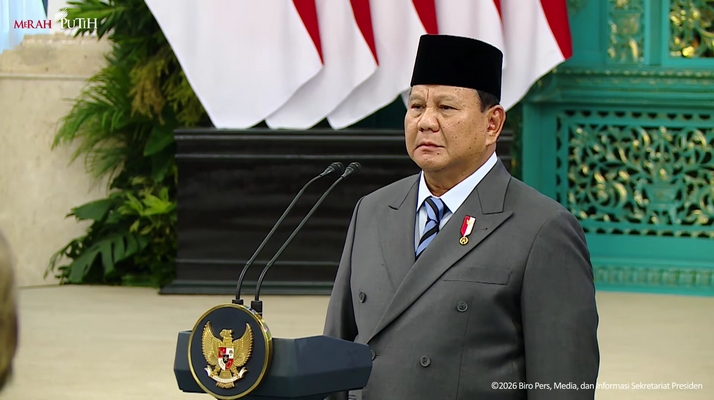
JAKARTA, JakartaWeekly.com—Gibran’s resignation as Indonesia’s Vice President is not expected to significantly affect future government policies. Instead, the key issue to watch is whom President Prabowo will nominate as a candidate for the vice presidency to be submitted to the People’s Consultative Assembly (MPR).
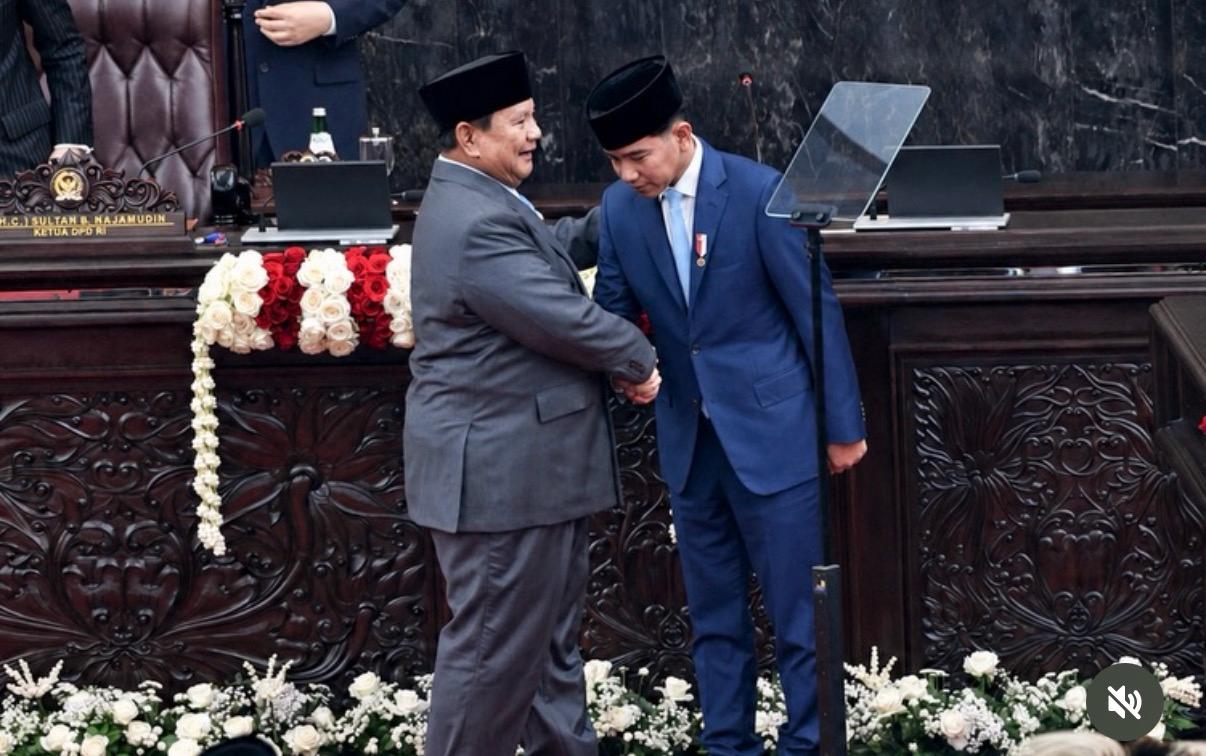
Gibran Rakabuming Raka officially submitted his resignation letter to the MPR on Thursday, November 12, 2026. Following his resignation, President Prabowo must submit two vice presidential candidates, along with the required administrative documents, to the MPR. The assembly will then select the new Vice President within 60 days.
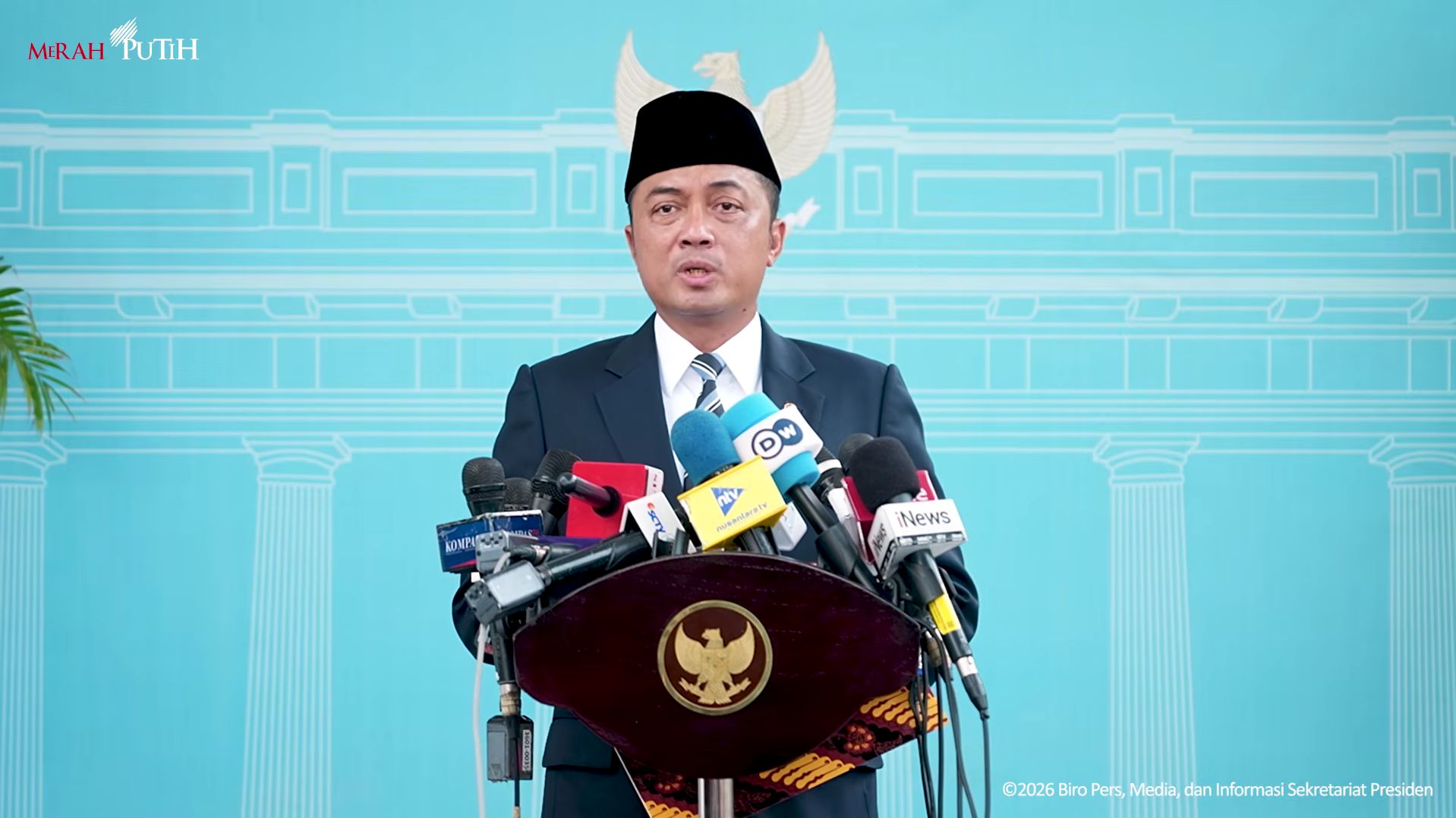
As a result, the position of Indonesia’s Vice President is currently vacant. Angre Edvra, a lecturer at the Faculty of Law and Communication at Soegijapranata Catholic University, believes that the current vacancy in the vice presidency will not have a significant impact.
“I believe the Prabowo administration is one of the most politically stable governments internally,” Angre said on Friday, November 13, 2026.
Angre explained that Prabowo has continued to govern steadily despite various social tensions and domestic challenges, including rising prices and several ongoing natural disasters.
Moreover, during the Prabowo administration, the Vice President has not been significantly involved in strategic decision-making. Therefore, the main concern is who will be nominated and eventually elected as the country’s next Vice President.
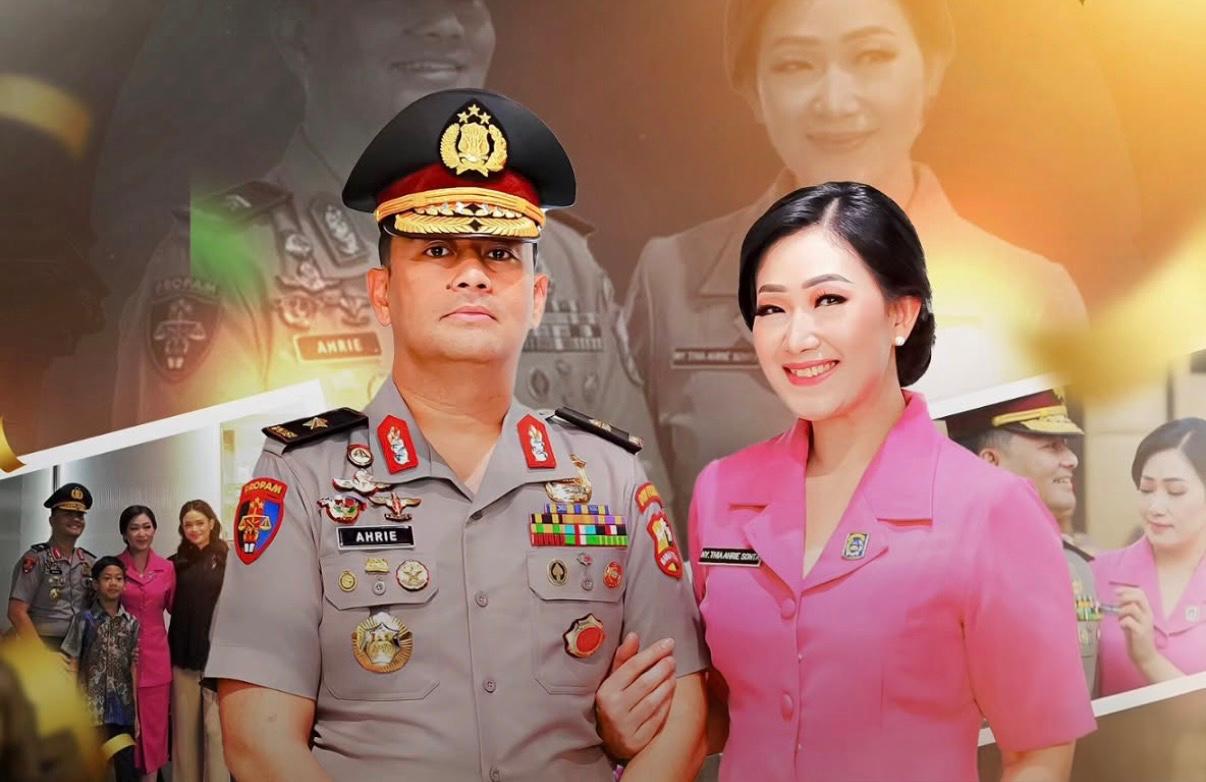
“What personally concerns me is the possibility that the person elected as the new Vice President could also come from a military background. Having Prabowo paired with a new Vice President with a military background could potentially pose risks to democracy, freedom of expression, and human rights,” he explained.
Angre believes that credibility should be the primary consideration in selecting the new Vice President. The selection process should not be driven by political debts or a practice of distributing government positions as political rewards.
If political obligations and power-sharing arrangements remain the main considerations in the selection process, there is a risk that the President and the new Vice President will fail to establish effective cooperation, leaving the President as the dominant decision-maker.
Discover more