ASDP’s Two Key Ferry Routes Serve 33 Million Passengers in 2025
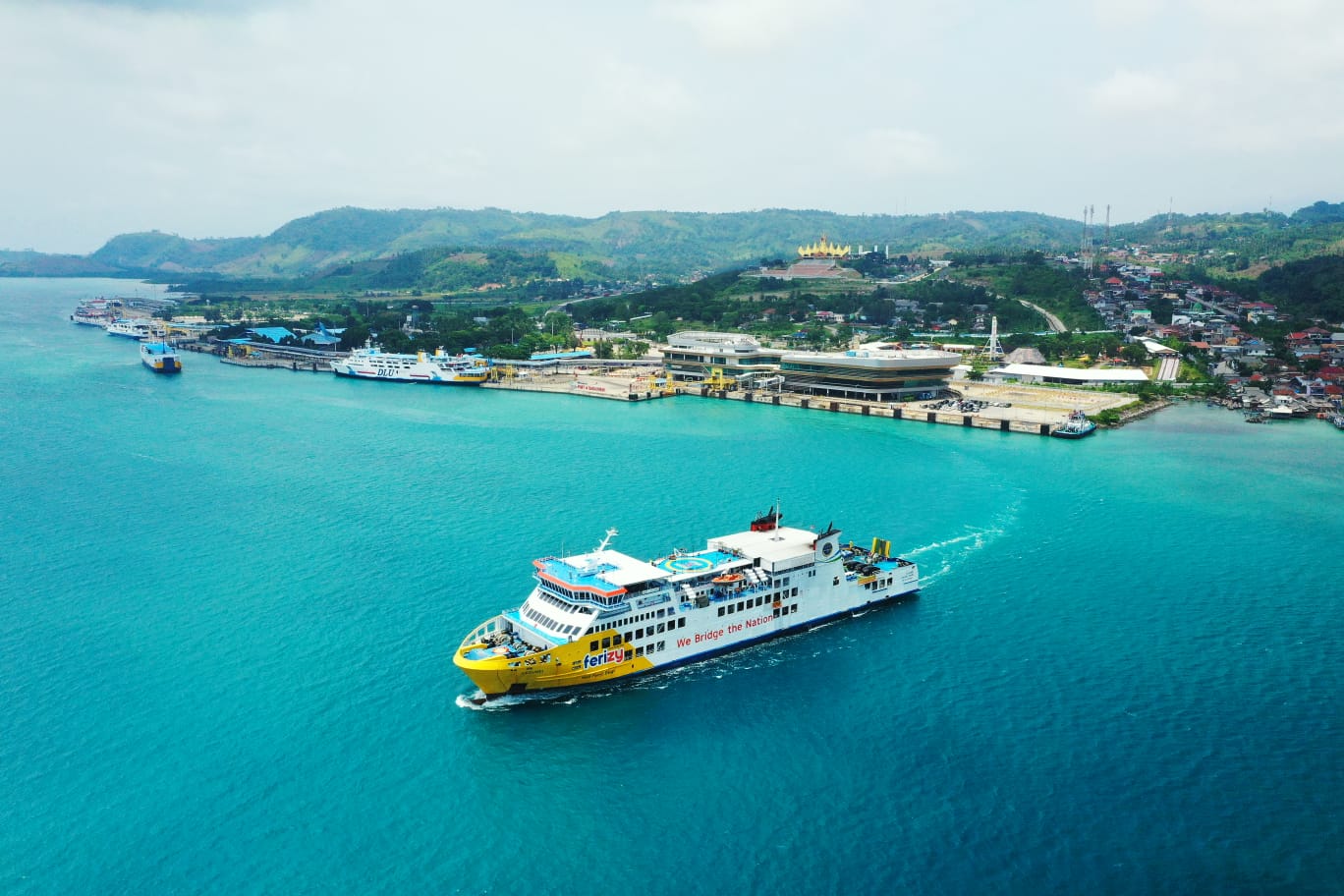
JAKARTA, JakartaWeekly.com — The Merak–Bakauheni and Ketapang–Gilimanuk ferry routes served approximately 33 million passengers in 2025. The two routes are vital links for passenger mobility and logistics distribution between Java, Sumatra, and Bali.
According to operational data from state-owned ferry operator PT ASDP Indonesia Ferry (Persero), the Merak–Bakauheni route recorded around 20 million passengers, while the Ketapang–Gilimanuk route served approximately 13 million passengers over the course of the year.
ASDP President Director Heru Widodo said the high volume of passenger traffic on both routes required the company to maintain operational reliability and improve service quality, particularly during periods of increased traffic.
“Merak–Bakauheni and Ketapang–Gilimanuk are not merely inter-island connections but also an important part of national economic activity. Every day, people and logistics vehicles rely on these two routes, making service reliability our priority,” Heru said in Jakarta on Friday, October 16, 2026.
Nationwide, ASDP’s ferry network served more than 46 million passengers in 2025. The network comprises 27 branches, 320 routes, 37 ports, and 225 vessels.
Of the total routes managed by ASDP, 229 are designated as pioneer routes and 91 as commercial routes. The network supports connectivity between regions, including disadvantaged, frontier, outermost, and border areas.
Operational Management and Safety
Heru explained that smooth ferry operations depend on more than the number of vessels in service. Factors such as vessel and berth capacity, loading and unloading speeds, vehicle arrival patterns, and water conditions also affect service performance.
These factors are taken into account when planning operations, particularly during periods of increased traffic over long weekends and religious holidays.
“Smooth ferry operations require integrated management, from regulating vehicle movements at ports to vessel loading and unloading. That is why we regularly evaluate and adjust operational patterns to make services more efficient while continuing to prioritize passenger safety,” he said.
In delivering ferry services, ASDP acts as the vessel operator and port facility manager. Meanwhile, vessel operating schedules and maritime safety oversight involve the relevant authorities, including the Harbormaster and Port Authority Office (KSOP) on the Ketapang–Gilimanuk route.
ASDP also coordinates with the Land Transportation Management Agency (BPTD), the police, and local governments. This cooperation aims to support traffic management on roads leading to ports and ensure smoother ferry operations.
In addition to managing vehicle traffic, weather and sea conditions are important considerations for maritime safety. Maritime weather information and early warnings from Indonesia’s Meteorology, Climatology, and Geophysics Agency (BMKG), including wind speeds and wave heights, serve as references for the relevant authorities when determining operational measures if sea conditions could affect sailing safety.
Development of Ferry Facilities
To improve services, ASDP has developed vessel and port facilities, including express ferry services and executive port facilities on the Merak–Bakauheni route.
On the Ketapang–Gilimanuk route, the company is evaluating operational patterns, optimizing berth utilization, and strengthening coordination with stakeholders. These measures are intended to improve ferry operations along the route connecting East Java and Bali.
ASDP is also developing berth infrastructure in stages. Initial priorities include the Ketapang pontoon in Banyuwangi, East Java, and Gilimanuk Pier II in Bali.
The developments are intended to increase vessel handling capacity and provide greater flexibility in operational management. Adequate infrastructure is expected to improve service readiness, particularly when passenger and vehicle numbers rise.
Heru said service improvements were being pursued in coordination with all relevant stakeholders to ensure that passenger mobility and goods distribution could continue while maintaining safety.
“For ASDP, connectivity is not just about linking islands, but also about ensuring that people and goods can keep moving. This is the commitment we uphold together with all stakeholders by improving service quality and ensuring that services remain safe, orderly, and reliable,” Heru said.
Discover more