El Niño Delays Indonesia’s 2026/2027 Rainy Season
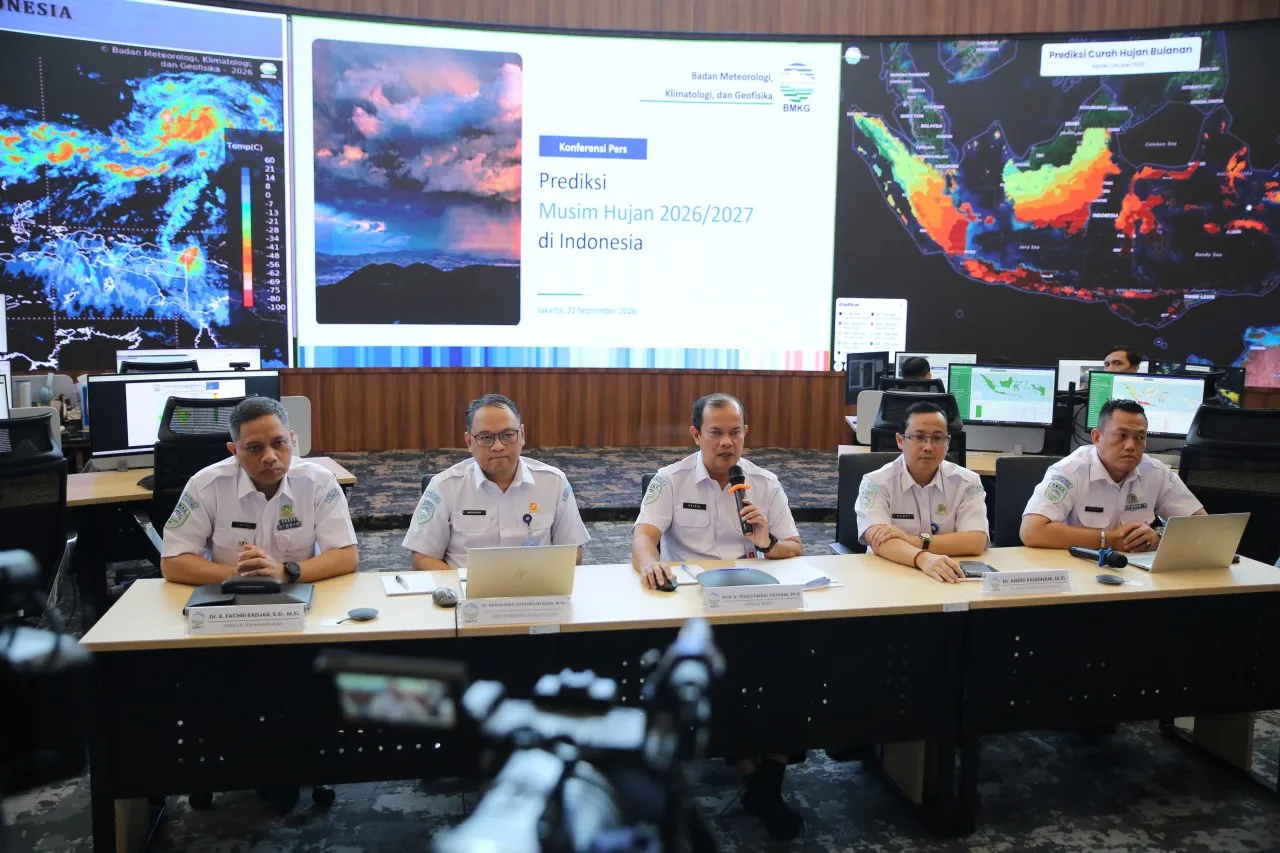
JAKARTA – Jakartaweekly.com Indonesia is heading toward a delayed start to the 2026/2027 rainy season, with the Meteorology, Climatology and Geophysical Agency (BMKG) forecasting a later-than-normal arrival across more than half of the country.
BMKG estimates that 529 seasonal zones, or 61.08% of Indonesia’s land area, will experience a delayed start to the rainy season compared with their climatological averages. The agency attributes the conditions to the combined influence of a very strong El Niño in the Pacific Ocean and a positive Indian Ocean Dipole (IOD).
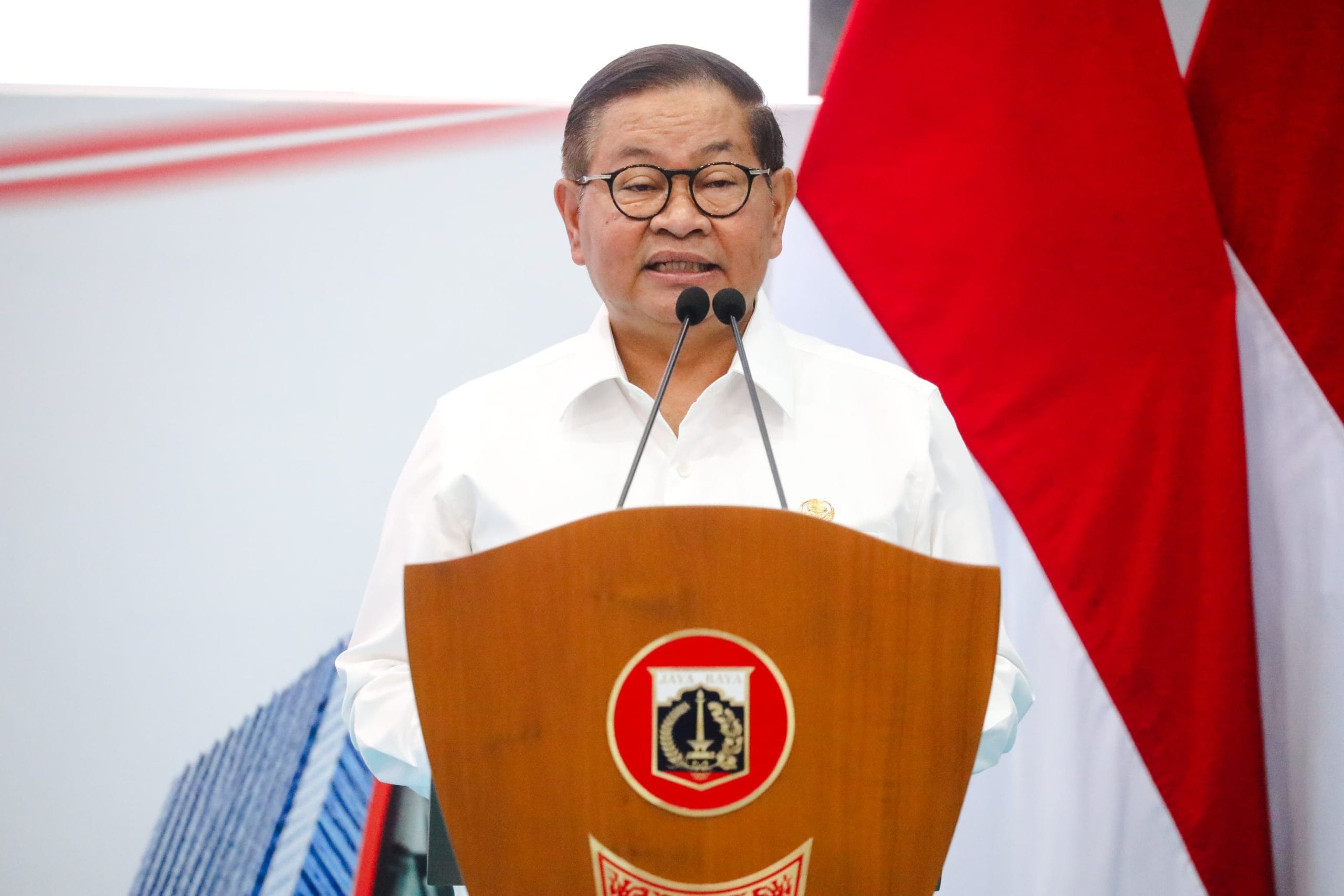
BMKG Head Teuku Faisal Fathani said sea surface temperature anomalies in the Niño 3.4 region reached +2.83°C at the end of August, while the July-August-September (JAS) ENSO index stood at +2.63, indicating very strong El Niño conditions.
At the same time, the IOD index reached +0.376 in August and is expected to remain in a positive phase through the end of the year.
“The combination of El Niño and IOD occurring at the same time is worsening and extending the dry period across much of Indonesia, causing the rainy season to arrive later and last for a shorter period,” Faisal said during BMKG’s rainy season forecast press conference in Jakarta on Tuesday.
Rainy Season Expected to Begin in November
The transition to the rainy season will not occur simultaneously across Indonesia. BMKG Deputy for Climatology Ardhasena Sopaheluwakan said most areas are expected to enter the rainy season in November and December 2026.
Around 185 seasonal zones, equivalent to 24.66%, are expected to begin the rainy season in November. Another 266 zones, or 17.31%, are forecast to enter the season in December.
The November transition is expected across parts of Sumatra, Java, Kalimantan, Bali, West Nusa Tenggara, East Nusa Tenggara, Sulawesi, Maluku, North Maluku and parts of Papua.
In December, the rainy season is expected to begin across much of Java, South Kalimantan, Bali, West and East Nusa Tenggara, Sulawesi, Maluku and parts of Papua.
Compared with climatological averages, only 11 seasonal zones, covering 1.12% of Indonesia’s land area, are expected to experience an earlier-than-normal rainy season. Another 26 zones, covering 2.15%, are forecast to follow normal timing.
Despite the delayed start, BMKG expects rainfall conditions to remain within the normal range in 510 seasonal zones, covering 69.76% of the country’s land area. Some 147 zones, or 18.55%, are expected to experience wetter-than-normal conditions, while 42 zones, covering 11.69%, are forecast to be drier than normal.
Peak Season Expected Between December and February
BMKG expects the peak of the 2026/2027 rainy season to occur mainly between December 2026 and February 2027.
December is expected to be the peak month for 155 seasonal zones, covering 36.94% of Indonesia’s land area. Another 162 zones, covering 25.68%, are forecast to reach their peak in January 2027, while 190 zones, covering 16.79%, are expected to peak in February.
Much of Sumatra and Kalimantan, along with parts of Sulawesi and Papua, are among the areas expected to experience peak rainfall in December.
In January, peak rainfall is forecast across parts of Sumatra, Java, Bali, Nusa Tenggara, Kalimantan, Sulawesi, Maluku and Papua. February’s peak is expected across parts of Java, Bali, Nusa Tenggara, Sulawesi, Maluku and Papua.
The duration of the rainy season is also expected to be shorter than normal in 482 seasonal zones, covering 51.90% of Indonesia’s land area. It is forecast to last longer than normal in 60 zones and follow normal durations in 40 zones.
Dry Conditions Persist
The impact of the strong El Niño is already being felt in several parts of the country. BMKG said 556 seasonal zones, covering 61.91% of Indonesia’s land area, are currently experiencing the dry season.
Monitoring data also shows that observation points across 25 provinces have recorded more than 60 consecutive days without rain. The longest dry period has been recorded in Bantul, where the number of consecutive dry days has reached 131 days, or more than four months.
BMKG Director of Climate Change A. Fachri Radjab said the 2026 El Niño has also caused dry conditions in some seasonal zones that normally receive rainfall throughout the year.
BMKG Calls for Early Preparation
With dry conditions expected to continue, BMKG is urging government agencies, local authorities and communities to prepare for potential water shortages and related impacts.
For agriculture, the agency recommends adjusting planting schedules, using shorter-cycle crop varieties and strengthening pest control. Communities are also encouraged to conserve water and increase household water storage capacity.
Authorities have been advised to manage reservoir inflows and water levels, regulate water releases for hydropower operations, identify groundwater basins and potential well locations, and strengthen water conservation and drainage management.
BMKG also highlighted potential environmental and health impacts. Authorities are encouraged to prepare for prolonged periods of unhealthy air quality and strengthen health services in anticipation of diseases associated with standing water following rainfall and flooding.
The agency urged continued vigilance over drought and forest and land fires, particularly during September and October, while strengthening drainage systems and evacuation preparedness ahead of the rainy season.
BMKG is encouraging government institutions and the public to use its 2026/2027 Rainy Season Forecast as a basis for early warning and early action. The agency also recommends consulting the nearest BMKG office for more detailed information based on local climate conditions.
The public is encouraged to rely on BMKG’s official information channels for weather, climate and earthquake updates to avoid unverified information that could cause unnecessary concern.
Discover more