Bridging Capitals: Jakarta and Shenzhen Blueprint a Tech-Driven Future for 2026
JAKARTA — Jakartaweekly.com. Jakarta and Shenzhen have agreed on a roadmap to establish a sister city relationship by November 2026, as the Indonesian capital seeks to draw on the Chinese technology hub’s experience in urban management, public transportation and sustainable development.
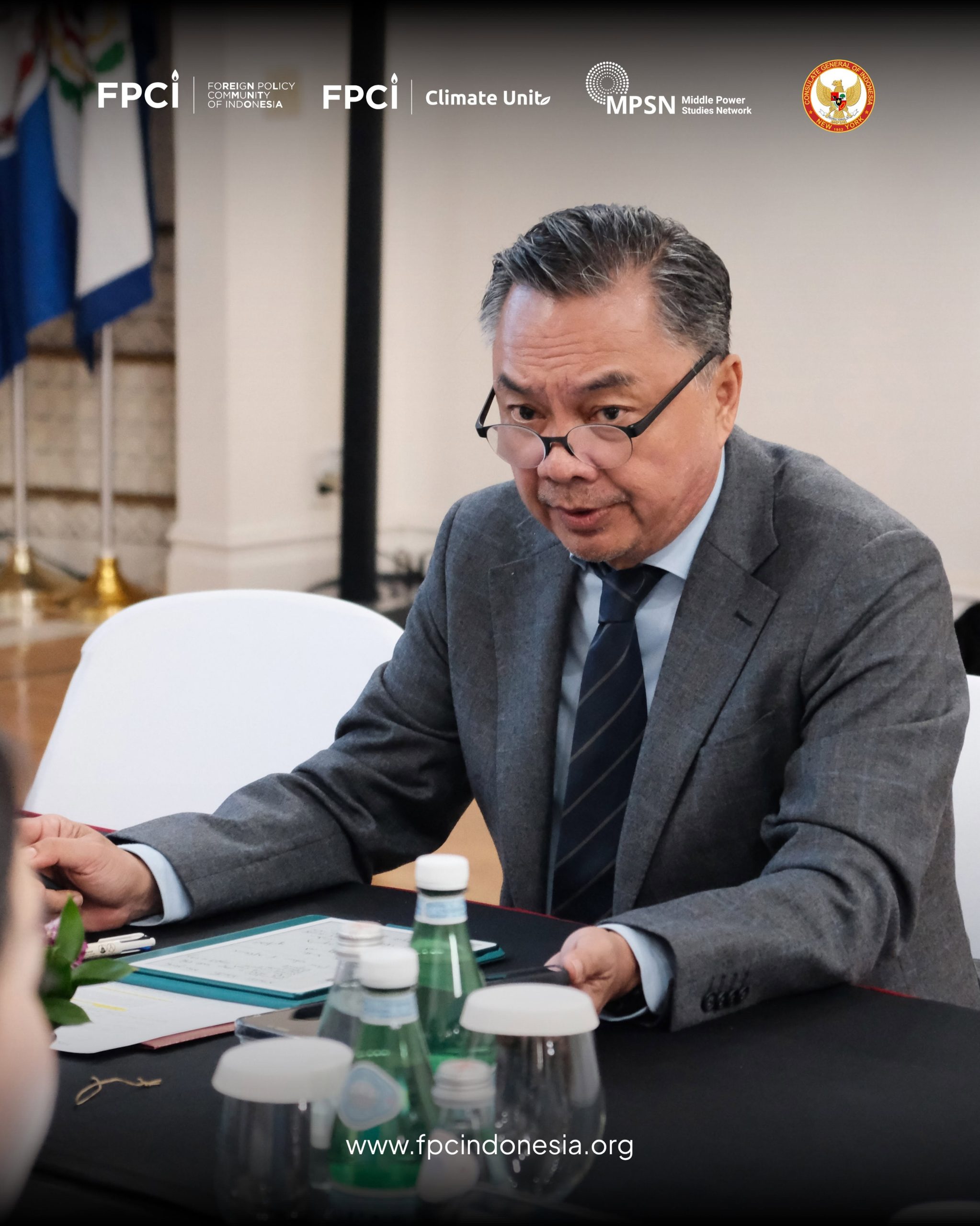
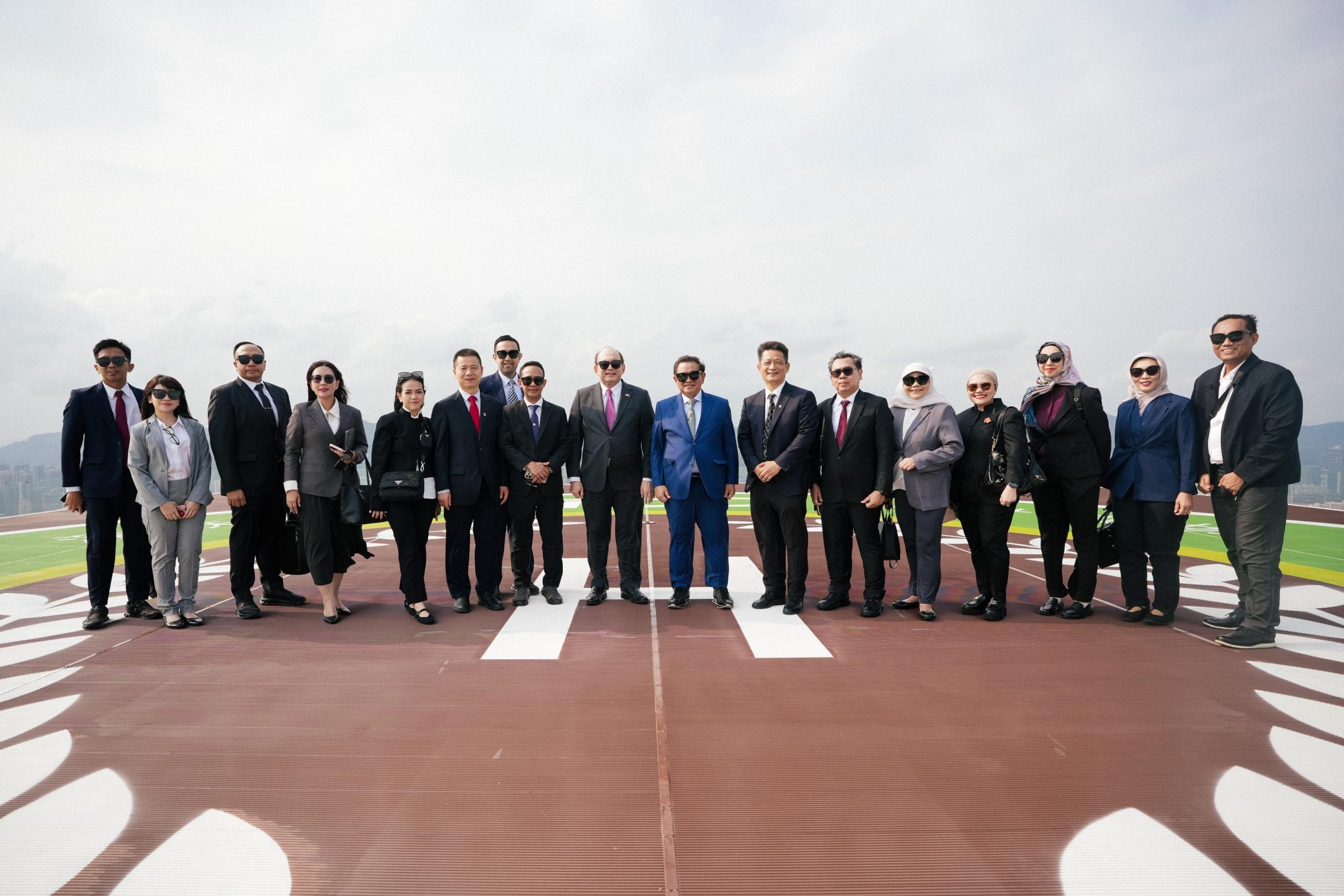
Jakarta Governor Pramono Anung discussed the proposed partnership with Shenzhen Executive Vice Mayor Tao Yongxin on Wednesday during his visit to China. The two cities plan to begin with a “Friendship Cities” arrangement before progressing toward formal sister city status.
Pramono said Jakarta already maintains similar partnerships with Beijing and Shanghai, but Shenzhen offers a relevant model for addressing the challenges facing the Jakarta metropolitan area, particularly its rapid urban growth and increasingly complex infrastructure needs.
The proposed cooperation is expected to cover several areas, including artificial intelligence (AI) for public services, traffic management, flood mitigation, pollution control and the electrification of public transportation fleets.
Jakarta Looks to Shenzhen for Urban Solutions
Jakarta’s interest in Shenzhen reflects the growing need for practical solutions to the challenges of managing a densely populated metropolitan area.
The Jakarta-Jabodetabek agglomeration is home to more than 42 million people, creating significant demands on transportation networks, public infrastructure and environmental management. Daily traffic congestion, seasonal flooding and air pollution remain among the issues confronting the region.
Through the proposed partnership, Jakarta hopes to learn from Shenzhen’s experience in managing urban development and implementing technology-based solutions. The exchange is expected to focus on adapting relevant practices to Jakarta’s circumstances rather than replicating Shenzhen’s model wholesale.
Tao welcomed the proposed cooperation and suggested establishing the relationship through a Friendship Cities framework before moving toward a full sister city partnership. The proposed areas of collaboration include digital technology, public service improvements and sustainable transportation.
The November 2026 target provides a timeline for the two cities to advance their plans. The effectiveness of the partnership, however, will depend on how the proposed areas of cooperation are translated into concrete programmes and implemented by the relevant institutions.
MRT Jakarta and Shenzhen Metro Sign Cooperation Agreement
Alongside discussions on the broader city-to-city relationship, Jakarta also moved to strengthen cooperation in public transportation.
On Thursday, Pramono met with Shenzhen Metro Group in Guangdong to discuss sustainable transit development, including Transit-Oriented Development (TOD) and the integration of urban transportation systems.
The governor said Jakarta wanted to compare the performance of its mass rapid transit system with those operating in other major cities.
“We want to have a comparison of MRT effectiveness in various world cities. Shenzhen has become a reference because of its service and operational efficiency,” Pramono said.
The discussion comes as Jakarta seeks to expand its rail network and improve public transportation services for residents who travel into and out of the capital every day.
According to the figures cited during the visit, Shenzhen Metro serves approximately 13 million passenger trips daily, compared with around 128,000 passengers on MRT Jakarta. The difference highlights the contrasting scale of the two systems and the potential value of examining Shenzhen’s operational experience as Jakarta develops its own network.
Pramono also highlighted the approximately four million people who move in and out of Jakarta daily, underscoring the need for transportation infrastructure that can accommodate mobility across the wider metropolitan area.
A key outcome of the visit was the signing of a Memorandum of Understanding (MoU) between PT MRT Jakarta and Shenzhen Metro Group. The agreement focuses on the development of TOD areas and the creation of an integrated urban transportation system.
Transit-Oriented Development at the Centre of Cooperation
TOD is a planning approach that connects public transportation with residential, commercial and other urban activities. By integrating development around transit stations, cities can make public transportation more accessible while supporting more connected urban areas.
For Jakarta, the approach offers a framework for coordinating rail infrastructure with surrounding neighbourhoods and economic activity. Its success will depend on factors such as connectivity between transport modes, pedestrian access and coordination between transportation and property development.
Tuhiyat, president director of PT MRT Jakarta, described the agreement as a strategic step toward addressing modern urban challenges while supporting future economic growth.
The cooperation is intended to strengthen knowledge-sharing between the two metro operators, particularly in developing transit-oriented areas and improving the integration of urban transportation.
Huang Liping, general manager of Shenzhen Metro Group, emphasized the relationship between metro planning and broader urban development. He noted that when metro systems are incorporated into city planning from the outset, they can influence economic activity and property values as well as how people move around the city.
This perspective is relevant to Jakarta as it continues to develop its mass transportation network. Rail expansion alone cannot resolve the capital’s mobility challenges if stations remain disconnected from other modes of transportation or surrounding communities.
Integrating transportation planning with land use and property development could help make new infrastructure more useful to residents and businesses.
From Diplomatic Agreement to Practical Implementation
The proposed sister city relationship and the MoU between PT MRT Jakarta and Shenzhen Metro Group represent two complementary tracks of cooperation: broader collaboration between city governments and more focused engagement between transportation operators.
The city-level partnership could create opportunities to exchange expertise in smart-city technology, environmental management and public services. Meanwhile, the agreement between the metro operators provides a more specific framework for cooperation on TOD and integrated transportation planning.
For Jakarta, the next step will be to turn these commitments into practical initiatives that address local priorities. Potential areas for further work include identifying relevant projects, sharing operational knowledge and determining how lessons from Shenzhen can be adapted to Jakarta’s existing infrastructure and governance arrangements.
The proposed November 2026 timeline will also be an important milestone as the two cities work toward formalizing their relationship.
Ultimately, the value of the partnership will be measured not only by the agreements signed but also by their impact on everyday urban life. Improvements in public transportation integration, traffic management, flood resilience and environmental quality would provide tangible benefits for residents across Jakarta and the wider metropolitan area.
As Jakarta continues to develop its transport network and pursue its smart-city ambitions, cooperation with Shenzhen could offer an additional source of expertise. The challenge will be to translate that experience into solutions suited to the capital’s scale, infrastructure and long-term development needs.
Clarify the agreement timelineReduce repeated partnership explanations
Discover more