Halodoc Report Highlights Health Trends During Ramadan
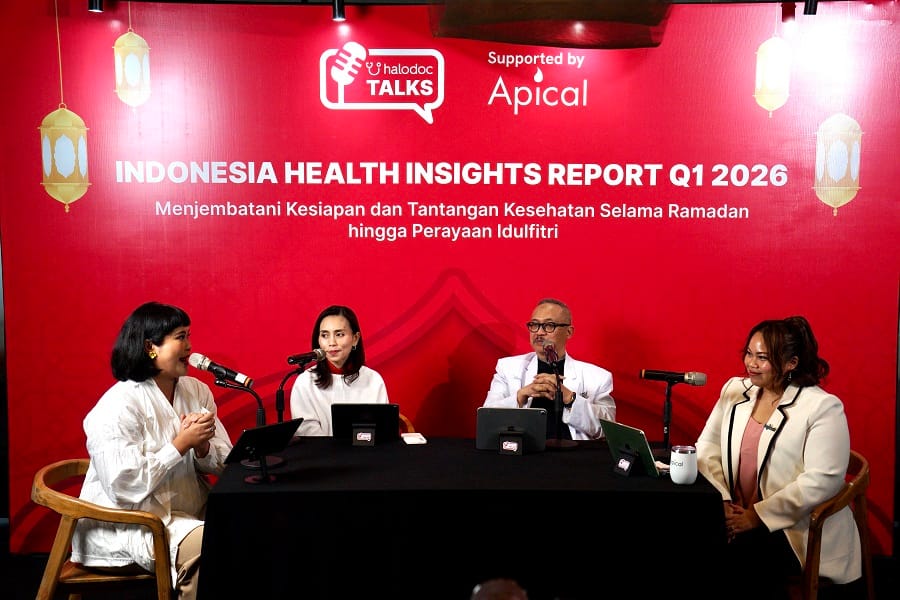
Jakartaweekly.com — The Eid al-Fitr holiday is one of the most anticipated moments for Muslims each year, marked by family gatherings and traditional festive meals. To help the public maintain good health during this important period, Indonesian digital health platform Halodoc released a continuation of its Indonesia Health Insights Q1 2026 report titled “Bridging Health Preparedness and Challenges from Ramadan to Eid Celebrations.”
The report highlights several health trends observed during the Ramadan period, covering both physical and mental wellbeing.
Halodoc data shows that anxiety-related complaints gradually increased during Ramadan, reaching a peak in the third week of fasting with a 27% rise compared with the weekly average before Ramadan. The most frequently reported symptoms included sleep disturbances, heart palpitations, and chest tightness, often linked to travel preparations for Eid and social pressures surrounding the holiday.
According to the report, psychological stress can also affect physical health. Elevated stress hormone levels may weaken the immune system and contribute to issues such as sore throat and fatigue. These findings highlight the importance of managing stress and getting adequate rest during Ramadan to maintain stable immunity ahead of Eid.
To further raise health awareness during the fasting month, Halodoc held Halodoc Talks Episode 2, collaborating with vegetable oil processor Apical. The event invited parents’ communities and media representatives to discuss ways to maintain body balance during the transition period from Ramadan to the Eid celebration.
Rising Health Awareness After Eid
Halodoc’s report also shows that public awareness of health monitoring tends to increase after the Eid celebrations.
Data from the 2025 Eid period revealed several trends:
-
Higher metabolic health awareness: One week after Eid, cholesterol and blood sugar lab tests increased by 95% compared with the usual weekly average, indicating that more people are proactively checking their health.
-
Weight and nutrition management: Purchases of diet-related health products rose 62%, including fiber drinks, detox teas, cholesterol-control supplements, and herbal slimming capsules.
-
Digestive challenges: Complaints of constipation began increasing during the first week of Ramadan (+20%) and peaked during Eid week (+37%). Interestingly, consultations about constipation at dawn surged 593%, the highest among all time periods.
-
Digestive health issues: Reports of diarrhea increased 13% on average two weeks after Eid, with symptoms such as stomach pain, vomiting, fever, fatigue, and dizziness.
According to Fibriyani Elastria, Chief Marketing Officer of Halodoc, the findings show that people are beginning to celebrate Eid more consciously while paying closer attention to their health.
“Eid is a meaningful moment for families to reconnect and enjoy traditional dishes together. While there are physical and mental challenges, such as digestive issues during the transition period, the increase in independent medical check-ups shows that people are becoming more proactive in managing their health risks,” she said.
Halodoc said its digital health services are designed to help ensure that cultural traditions remain meaningful while health remains a priority, with medical support available 24/7.
Choosing Healthier Cooking Ingredients
Traditional Eid dishes such as fried snacks and festive cookies often rely on fats to create rich flavors. During the educational session, Apical also highlighted the importance of choosing high-quality cooking ingredients, particularly by limiting harmful fats such as trans fats and excessive saturated fats.
Trans fats are typically formed when liquid oils are processed into solid fats through a process called partial hydrogenation, often used in food manufacturing to improve texture and extend shelf life.
“Enjoying festive food is one of the most anticipated traditions during Eid,” said Farhana June Jamil, Head of the Apical Innovation Centre (AIC) Global. “The challenge is choosing ingredients wisely, especially by limiting trans fat intake. With advances in food processing technology, we can now provide higher-quality cooking oils that are free from industrial trans fats while still preserving the taste of traditional dishes.”
Tips for a Balanced Eid Celebration
Waluyo Dwi Cahyono, an internal medicine specialist and Halodoc partner doctor, shared several tips for maintaining health during the Eid celebrations:
-
Maintain balanced portions: Enjoy traditional dishes such as opor and rendang, but balance them with vegetables and fruits to help regulate fat absorption.
-
Gradual dietary transition: After a month of fasting, the body needs time to adapt. Start Eid morning with lighter foods and avoid overly spicy or acidic meals.
-
Use healthier cooking methods: Consider baking or stir-frying with small amounts of high-quality oil to preserve flavor while reducing excess fat.
-
Stay hydrated and well-rested: Amid busy family visits, ensure adequate hydration and rest to maintain energy and immunity.
“Celebrating Eid does not mean restricting enjoyment,” Waluyo said. “With small adjustments in how we prepare and consume food, we can maintain stable digestive and metabolic health while still enjoying the festive moment.” (***)
Discover more