Indonesia Ready for Ramadan, Eid Demand for Textiles and Goods
Jakartaweekly.com — Indonesia’s Ministry of Industry has assured that domestic industries are well prepared to meet the seasonal surge in consumer demand during the Ramadan and Eid al-Fitr period, particularly for fashion and lifestyle products.
Industries such as textiles and textile products (TPT), garments, footwear, and related subsectors are operating in a stable condition and are ready to supply increased demand for Muslim fashion, sarongs, mukena (prayer garments), religious accessories, and footwear produced by local manufacturers.
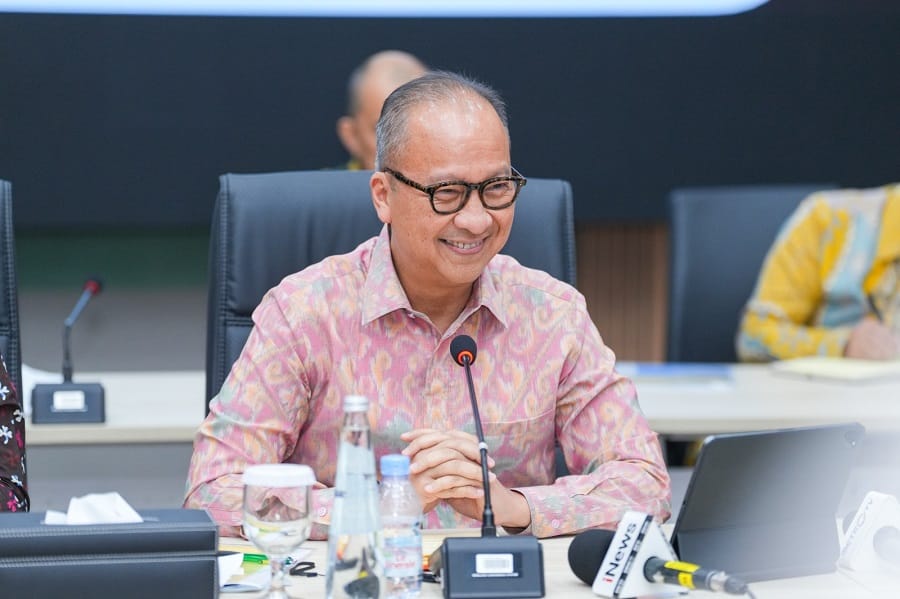
Minister of Industry Agus Gumiwang Kartasasmita said the positive performance of Indonesia’s chemical, pharmaceutical, and textile industry sector (IKFT) has provided a strong foundation for ensuring supply availability, maintaining product quality, and keeping prices affordable during the peak holiday season.
“Ramadan and Eid al-Fitr represent an important period for the textile and garment industry, as domestic demand increases significantly every year. The industry has been preparing since the beginning of the year to ensure that public needs can be met,” he said in Jakarta on Friday.
Strong Industry Growth
In 2025, the IKFT sector recorded growth of around 5.11 percent, contributing 3.87 percent to Indonesia’s gross domestic product (GDP). The sector also generated approximately USD 47.95 billion in exports and employed around 6.71 million workers.
The textile and garment subsector itself grew by 5.39 percent, employing more than 3.7 million workers, highlighting its importance as a labor-intensive industry that directly impacts community welfare, the minister said.
Indonesia’s textile and textile products industry also maintained stable performance with growth of around 4.64 percent, while exports continued to rise despite global trade challenges, reflecting the sector’s resilience and competitiveness.
Ramadan Boost for Domestic Consumption
According to the ministry, Ramadan also drives higher consumption of beauty and personal care products as consumers prepare for Eid celebrations. The cosmetics industry recorded 4.3 percent growth by the end of 2024, with exports reaching USD 382.4 million.
Kartasasmita encouraged the public to take advantage of the Ramadan momentum by supporting locally made products, which helps sustain national industries and supports millions of workers in labor-intensive sectors.
“By purchasing domestic products, consumers not only contribute to economic growth but also help sustain local industries and improve the livelihoods of millions of workers,” he said.
Strengthening Industry Competitiveness
The government continues to improve industry competitiveness through import substitution policies, investment facilitation, promotion of domestic products, and support for innovation and certification, including halal certification.
These efforts aim to ensure that Indonesia’s manufacturing sector can not only meet domestic demand but also compete more strongly in the global market.
Increased production activity ahead of Eid is also expected to boost income for workers in labor-intensive industries, as higher demand leads to increased capacity utilization and stronger job stability.
The government remains optimistic that the textile, footwear, and related industries will continue to play a key role in supporting Indonesia’s economic growth, particularly during Ramadan and Eid when domestic consumption typically rises sharply.
Discover more