Indonesia to Sanction Misleading Crypto Influencers
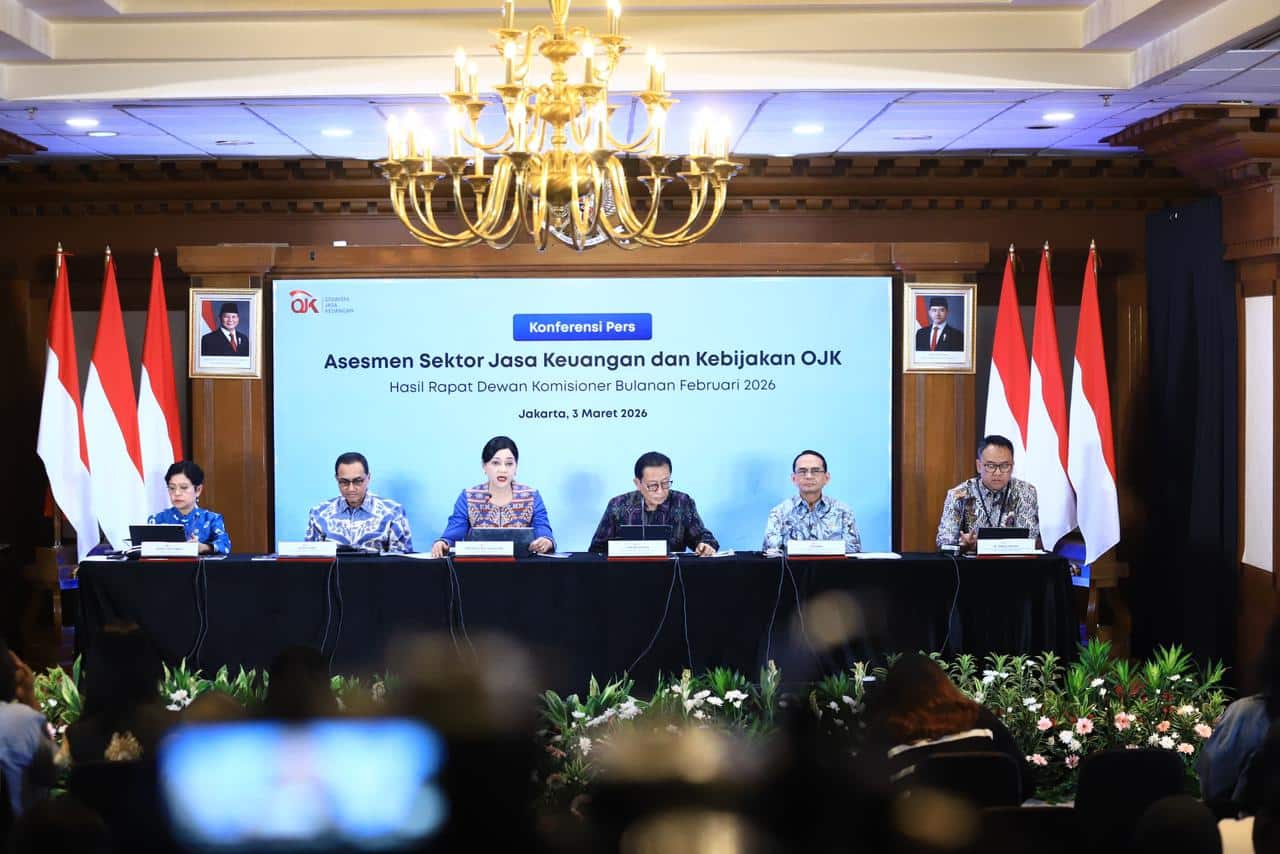
Jakartaweekly.com — Indonesia Financial Services Authority (OJK) is preparing new regulations to govern the activities of influencers and information providers within the financial services sector, including crypto assets. These rules will be integrated into an OJK Regulation (POJK), targeted for release in the first half of 2026, as part of an effort to strengthen consumer protection and maintain the integrity of information circulating in the digital space.
Hasan Fawzi, Executive Head of Supervision for Financial Sector Technology Innovation, Digital Financial Assets, and Crypto Assets at OJK, explained that this regulation is necessary because the Financial Sector Development and Strengthening Law (P2SK) does not yet specifically regulate sanctions against influencer practices in the digital financial sector. Through these new rules, OJK will have the legal standing to monitor influencer activities and impose sanctions on practices that potentially harm the public.
According to Hasan, this POJK will not only cover the crypto sector but also various other financial services sectors that utilize influencers to disseminate information to the public. “With this POJK, we hope to have clearer authority to sanction influencer practices that violate provisions, including those in the digital financial assets sector,” he stated on the press release to Jakartaweekly.com (5/3).
Furthermore, OJK highlighted financial product promotion practices that have the potential to mislead the public, such as providing investment recommendations without transparency regarding risks or specific commercial interests.
Focus on Digital Activity and Responsible Promotion
The regulations currently being finalized will govern various information providers, including influencers, Key Opinion Leaders (KOLs), affiliates, and marketing partners who provide education, promotion, or recommendations related to financial products. Key points include the mandatory inclusion of risk disclaimers, a ban on promoting illegal entities, and competency standards for those conveying information to the public.
Responding to the regulatory plan, crypto industry players welcomed OJK’s steps in strengthening information governance within the digital asset sector. Calvin Kizana, CEO of Tokocrypto, believes that the presence of these rules could serve as an important foundation for creating a healthier and more transparent industrial ecosystem.
“We view clear regulations regarding information delivery activities in the crypto sector as a positive step toward increasing consumer protection while strengthening public trust in the digital asset industry in Indonesia,” said Calvin.
Strengthening Consumer Protection
According to Calvin, regulating information providers—such as influencers, KOLs, affiliates, and marketing partners—will help build more responsible communication standards and reduce the potential for misleading information, including exaggerated claims, promotions without risk explanations, and non-transparent marketing. Tokocrypto supports the principles of mandatory risk disclaimers and the prohibition of promoting illegal entities, as they align with the goals of strengthening consumer literacy and security.
During the drafting process, Calvin also provided input to ensure that policy implementation remains effective and proportional. He highlighted the importance of clearly defining “information providers” to avoid multiple interpretations, specifically regarding whether the scope includes a company’s internal marketing staff or focuses on external parties like KOLs and affiliates.
He also encouraged flexibility in risk disclaimer formats for short-duration media like Reels or TikTok—such as through scrolling text, watermarks, or easily accessible links—without diminishing the substance of risk education for the audience.
Calvin added that competency standards for KOLs in the crypto sector need to consider current conditions, given that there is currently no specific official crypto marketing license in Indonesia. He also called for stricter boundaries between educational content and investment recommendations. He believes that content such as technical analysis or informative token reviews, without a direct call to buy, needs to be distinguished from investment recommendations that require specific licensing. This clear boundary is considered vital so that the space for education can continue to operate healthily.
In terms of enforcement, Calvin proposed a tiered sanction mechanism, starting with written warnings for content violations, while more severe actions like total account blocking should be a last resort for serious or repeat offenses.
“Our goals are aligned: to strengthen consumer protection. In its implementation, we hope the issued rules can provide clarity on the roles and responsibilities of each party, while still leaving room for education that encourages healthy digital asset literacy,” Calvin concluded.
Discover more