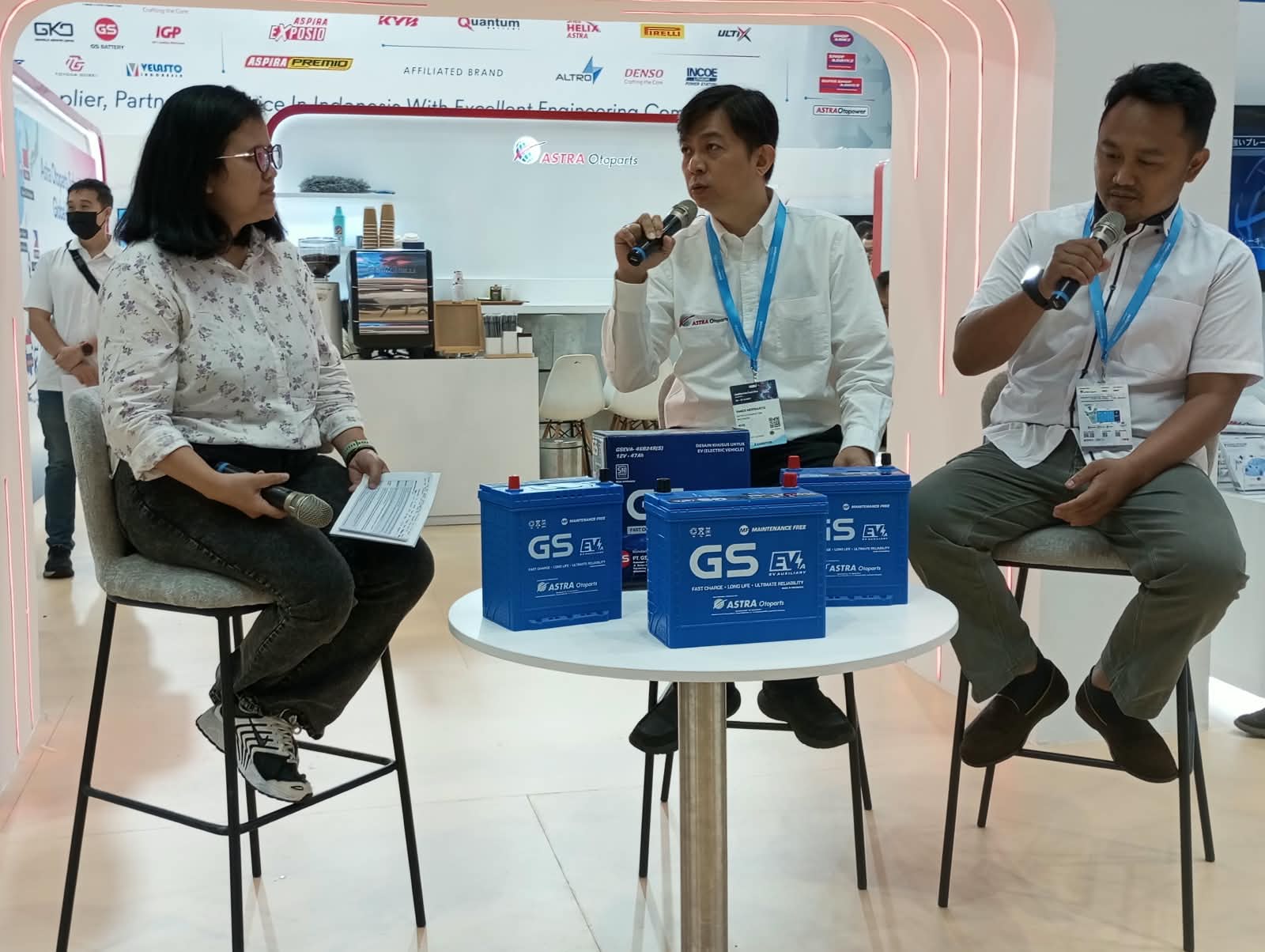
Ministry of MSMEs Urges Small Businesses to Join Automotive Industry Supply Chain
TANGERANG, Jakartaweekly.com – The Ministry of Micro, Small, and Medium Enterprises (MSMEs) is encouraging MSMEs to become more deeply involved in the automotive industry supply chain as part of efforts to strengthen industrialization in Indonesia.
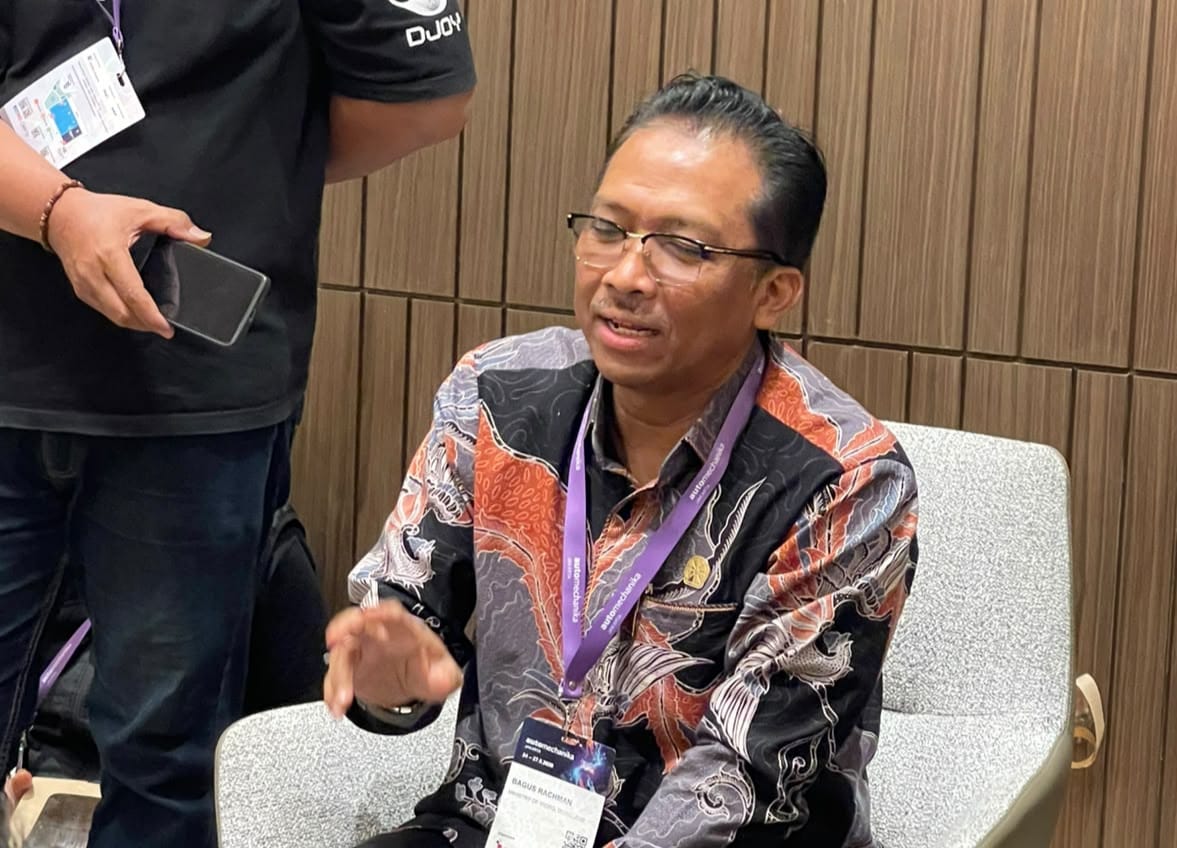
Bagus Rachman, Deputy for Medium Enterprises at the Ministry of MSMEs, said MSMEs and small and medium industries (IKMs) have opportunities to participate in the automotive industry supply chain, particularly at the Tier 2 and Tier 3 levels.
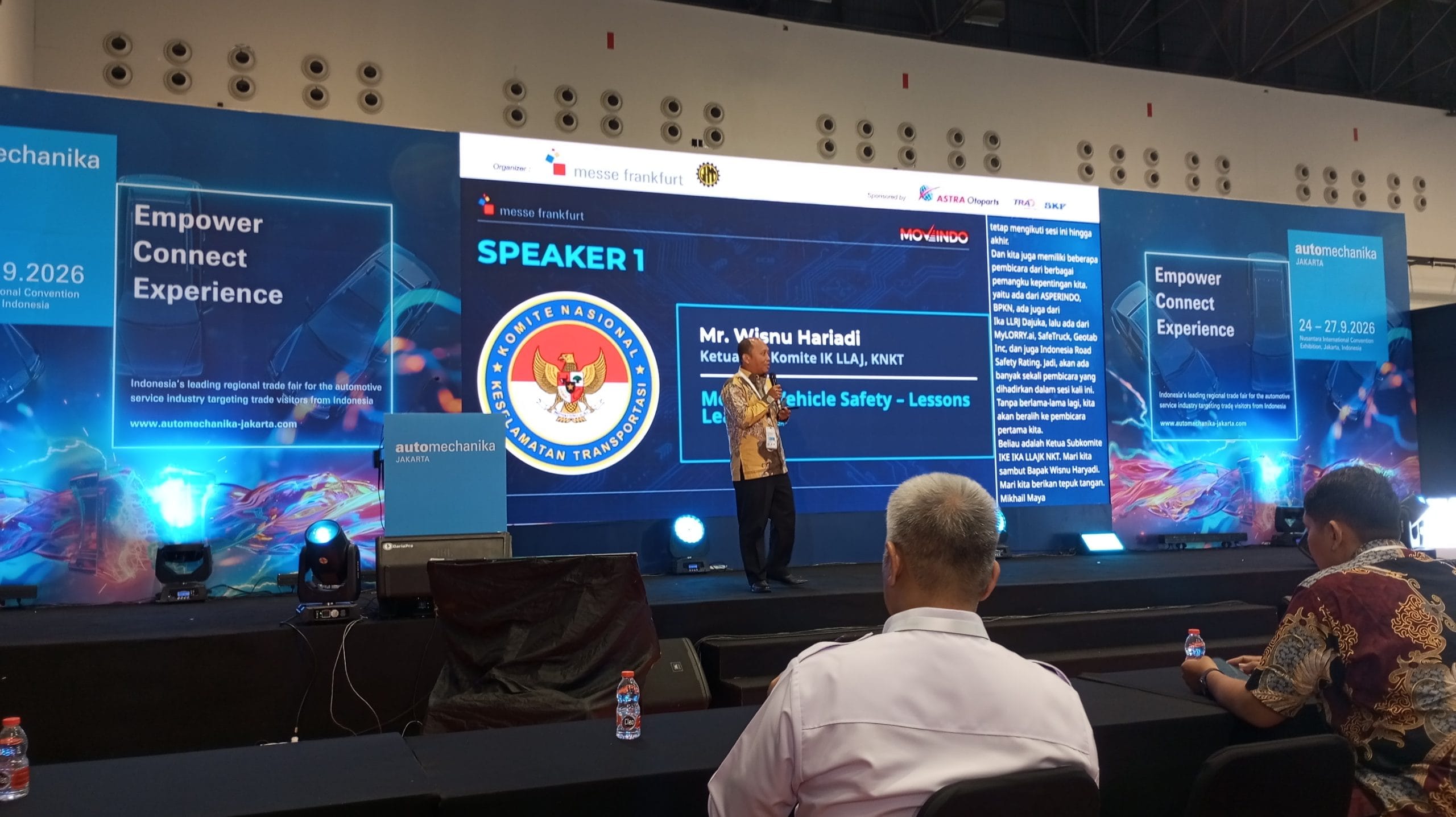
“MSMEs and IKMs are part of the Tier 2 and Tier 3 levels. This is an opportunity for Indonesia to show that we can produce quality products,” Bagus said on the sidelines of Automechanika Jakarta 2026 recently.
According to Bagus, developing MSMEs within the automotive supply chain needs to be carried out from upstream to downstream. Raw materials sourced from the MSME sector can be processed into products used in the automotive industry.
Bagus cited coconut as an example, which can be processed into coco fiber and subsequently used as part of vehicle components.
“Coconut can be turned into coco fiber, and it can then become a product that can be directly incorporated into a complete vehicle,” he said.
He said MSME participation in the automotive industry is important because the industrial sector has the potential to generate greater added value while increasing employment.
“When we talk about industry, there are two things. First, added value, and second, increasing employment,” Bagus said.
According to Bagus, developing MSMEs in the automotive supply chain requires collaboration among the Ministry of MSMEs, the Ministry of Industry, and the Ministry of Trade. Each institution can play a role based on its respective areas of responsibility.
“That means we share the roles. As I said earlier, simply put, we need to maintain the upstream side so that the sustainability of industrial demand is maintained. Then the industry itself also needs to be strengthened,” he said.
Building a Partnership Ecosystem
Bagus said the Ministry of MSMEs is also developing a cluster-based business partnership ecosystem for MSMEs. One of the clusters being developed focuses on the automotive components industry.
“Our program is called Holding UMKM. One of the clusters is the automotive components industry cluster. This is essentially the starting point,” he said.
According to Bagus, the presence of large industries can provide an entry point for MSMEs to develop into part of the supply chain. He cited Astra as an example of a company that has carried out MSME incubation programs.
The Ministry of MSMEs, he added, has also partnered with Astra to expand opportunities for small and medium enterprises interested in entering the industrial sector.
“If the market already exists, then we identify which businesses can produce for Tier 2 and Tier 3. That is where we make the connections,” he said.
Bagus said partnerships between large industries and MSMEs are one of the keys to advancing downstream industrialization.
“This can be a good example: a supply chain partnership scheme. This is essentially one of the keys. When we talk about downstream industrialization, we need to connect everything from the bottom to the top,” he said.
He also said MSME opportunities are not limited to components for cars and motorcycles. The development of the components industry, he added, could be expanded into other sectors, including shipbuilding, which he said also has market potential.
Discover more