Wakara Foundation and ANI Sign MoU to Boost Productive Waqf
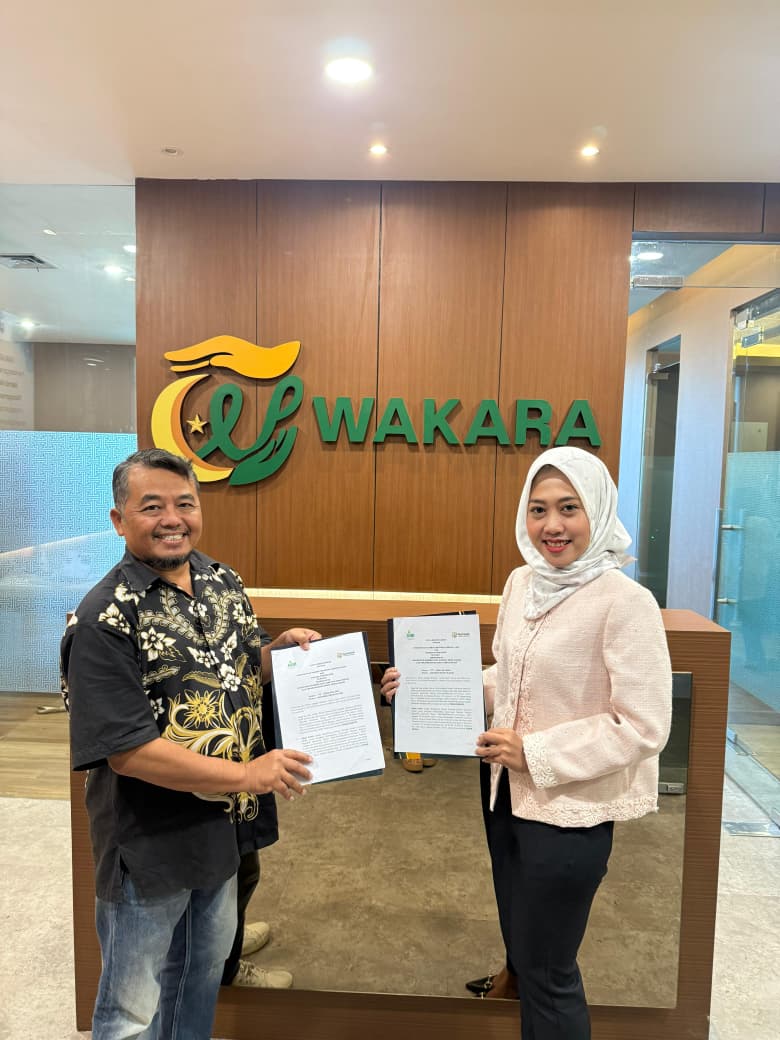
JAKARTA. Jakartaweekly.com – The Wakara Amanah Abadi Foundation (Wakara Foundation) has officially entered into a strategic partnership with the Perkumpulan Nazhir Indonesia Berdaya, widely known as the Indonesian Nazhir Association (ANI). The collaboration was formalized through the signing of a Memorandum of Understanding (MoU) focused on Enhancing the Competency of Nazhir Human Resources and Developing Productive Waqf in Indonesia.
The signing of this MoU marks a tangible step toward strengthening the productive waqf ecosystem in Indonesia. It focuses on capacity building for nazhir (waqf managers), strengthening waqf governance, and optimizing Sharia-based asset management.
Given Indonesia’s massive waqf potential, enhancing the capacity and professionalism of nazhir is deemed crucial to supporting the sustainable management of productive waqf. Through this inter-institutional collaboration, waqf management is expected to generate a broader social and economic impact for the community.
Dr. Riska Afriani, S.E., M.E., CWC, the Chairperson & Founder of the Wakara Foundation, stated:
“As a pioneer of gold waqf in Indonesia, the Wakara Foundation is optimistic that this strategic cooperation is a vital step toward making waqf management and utilization more productive, professional, and sustainable, thereby providing wider benefits for the ummah (community).”
Meanwhile, Adam Caloh, the General Treasurer of the Wakara Foundation, emphasized the long-term vision of the partnership.
“This collaboration is an important milestone in improving the quality and capacity of nazhir in Indonesia. Waqf is not just about worship; it is also about how waqf assets can be managed professionally and productively to deliver a real impact on public welfare,” he said.
Echoing these sentiments, the President of the Indonesian Nazhir Association, Imam Nur Azis, highlighted that synergy between institutions is the ultimate key to building a sustainable waqf ecosystem.
Through this partnership, both the Wakara Foundation and ANI are fully committed to developing a more modern, professional, and high-impact waqf ecosystem. This synergy is expected to drive the optimization of productive waqf management as a strategic instrument for the social and economic development of the community.
Discover more