Rupiah Weakens Amid “Debt Wall” and Global Sentiment, Closes at Rp17.181

JAKARTA, Jakartaweekly.com – The rupiah closed weaker on Wednesday (April 22, 2026), as the U.S. dollar strengthened amid rising geopolitical tensions and shifts in global monetary policy.
Market data showed the rupiah fell 38 points to Rp17.181 per U.S. dollar, from a previous close of Rp17.142. During the session, the Indonesian currency at one point weakened by as much as 45 points.
Economic, currency, and commodities analyst Ibrahim Assuaibi said the dollar’s strength was driven by heightened global uncertainty, particularly surrounding the conflict in the Middle East.
“U.S. President Donald Trump said he would extend a ceasefire with Iran indefinitely to allow further negotiations. However, the move appears unilateral and has yet to receive an official response from Iran or U.S. ally Israel,” he said on Wednesday, April 22, 2026.
Tensions, however, remain elevated. Iran reportedly did not request an extension of the ceasefire and has reiterated its stance to resist the U.S. naval blockade. The situation has disrupted global energy supply routes, with shipping traffic through the Strait of Hormuz—which carries around 20% of the world’s oil and gas supply—declining sharply.
Read also: US-Iran Ceasefire Eases Oil Prices, Lifts Rupiah, Boosts Gold Outlook
He added that the situation has also escalated in southern Lebanon after Israel’s military reported rocket attacks by Hezbollah, adding to uncertainty ahead of U.S.-mediated talks.
On the monetary front, he said developments also stem from the U.S. central bank, the Federal Reserve. Fed leadership candidate Kevin Warsh has stressed the importance of central bank independence from political pressure, while signaling the possibility of significant policy shifts if confirmed.
“This more hawkish stance had previously weighed on gold and other precious metals,” he said.
Domestically, pressure on the rupiah is also linked to fiscal conditions. Indonesia faces maturing debt of Rp833,96 trillion in 2026, the highest level in a decade. The phenomenon, often referred to as a “debt wall,” marks the peak of the 2025–2036 debt repayment cycle.
He said the large obligation reflects accumulated debt issuance, including burden-sharing schemes with Bank Indonesia during the COVID-19 pandemic. Around Rp154,5 trillion of the 2026 maturities stems from these instruments, requiring the government to undertake large-scale refinancing.
Read also: Gold May Hit Rp3 Million Price Amid Global Volatility
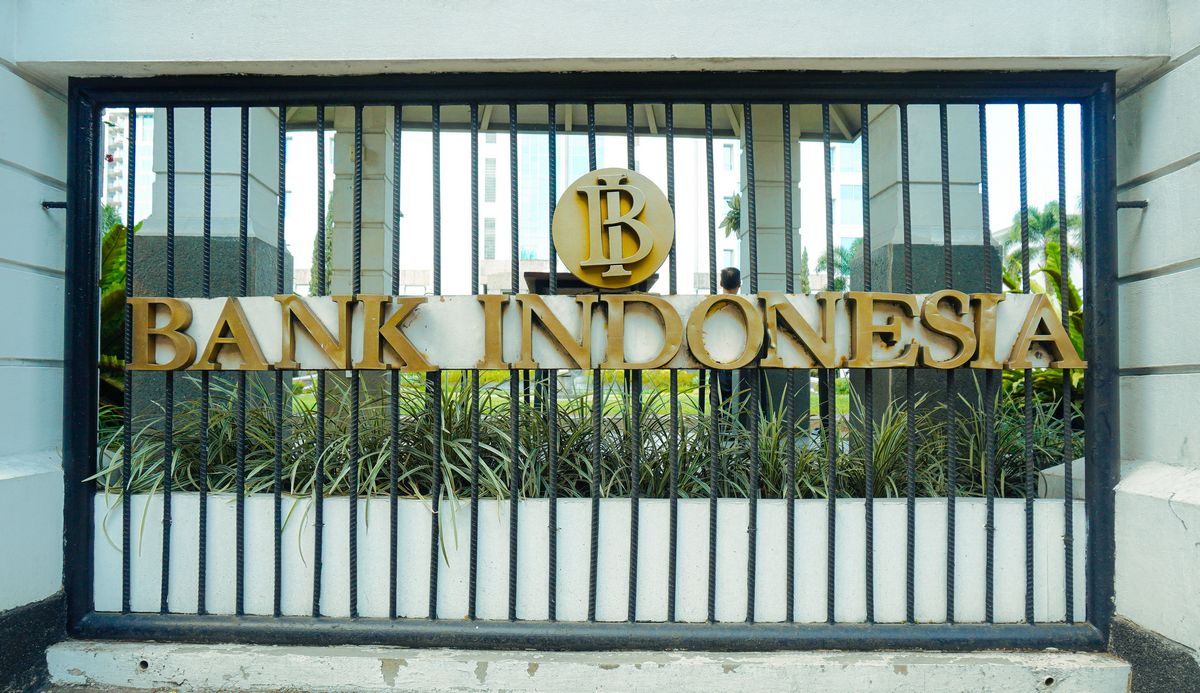
Meanwhile, Bank Indonesia has kept its benchmark interest rate (BI Rate) unchanged at 4,75%, with the Deposit Facility at 3,75% and the Lending Facility at 5,5%. The policy aims to maintain exchange rate stability amid external pressures.
He added that on Thursday (April 23, 2026), the rupiah is expected to trade in a volatile range but remain under pressure, moving between Rp17.180 and Rp17.220 per U.S. dollar.
(Read Jakartaweekly.com news on Google News)
Discover more