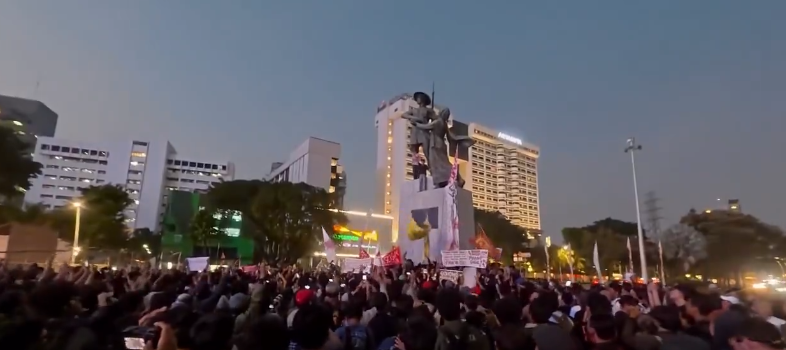
Dadan Hindayana Arrested Over MBG Corruption Case
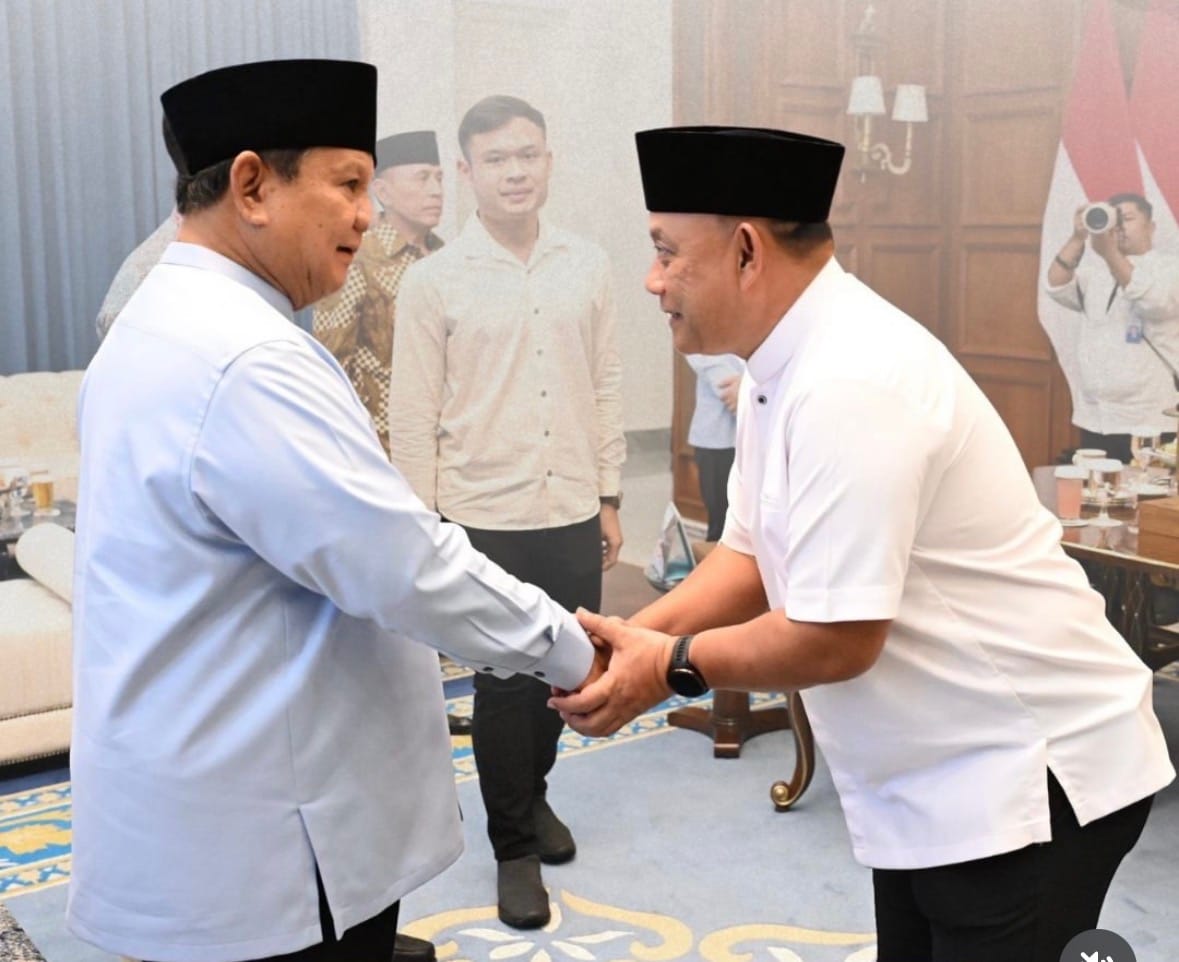
JAKARTA, Jakartaweekly.com — Dadan Hindayana, Former Head of the Indonesia National Nutrition Agency (BGN), was arrested by Indonesia Attorney General’s. This happened just hours after Indonesia President Prabowo Subianto dismissed him from his position as Head of BGN.
The dismissal of Dadan Hindayan was announced by State Secretary Minister Prasetyo Hadi on Tuesday (2/6) at the Presidential Palace Complex in Jakarta.
“Today, Tuesday, June 2, 2026, the President has decided to replace the head of the BGN,” Prasetyo Hadi said.
In addition, other than Dadan Hindayana, President Prabowo Subianto also dismissed two Deputy Heads of the National Nutrition Agency, Brigadier General of Police Sony Sanjaya and retired Major General Lodewyk Pusung. Subsequently, Deputy Head of BGN Nanik S. Deyang was appointed as the new Head of BGN, replacing Dadan Hindayana.
According to Prasetyo Hadi, the decision was based on evaluations conducted by relevant ministries and public feedback. He stated that the President had listened to and received input from various stakeholders, including members of the public and beneficiaries of the Free Nutrition Meals program (MBG) administered by BGN.
Previously, Dadan Hindayana was appointed as Head of BGN during the administration of Indonesia’s 7th President, Joko Widodo, on August 19, 2024. He was later reappointed by President Prabowo Subianto in October 2024.
Indonesia Attorney General (Kejagung RI) conducted a search of BGN headquarters
Following the announcement of Dadan Hindayana’s dismissal on Tuesday night, the Attorney General’s Office searched the executive offices of the BGN headquarters on Wednesday morning (3/6).
According to reports from various media, BGN employees were not allowed to enter the agency’s office in Kebon Sirih, Central Jakarta, during the search. The operation reportedly began at around 02.00 AM local time (WIB).
On a separate occasion, President Prabowo Subianto addressed the reasons behind his decisions to dismiss Dadan Hindayana. He made the remarks during the event Building Indonesia’s Future Generations Through Nutrition held at the Sentul International Convention Center (SICC), Bogor, West Java.
During the event, President Prabowo stated that the decision was made after he received multiple reports regarding deficiencies, irregularities, and indications of misconduct in implementations of the program. He also emphasized that he would not tolerate any abuse of authority or deviations in government programs.
“I do not want the people’s money to be stolen. I do not want the people’s money to be stolen. And there are no exceptions,” Prabowo said, as quoted by various media covering the event.
Dadan Hindaya, Sony, and Lodewyk as suspects over MBG’s corruption case
The Attorney General’s Office officially named former BGN Head Dadan Hindayana as a suspect on Wednesday (3/6). Sony Sanjaya and Lodewyk Pusung were also named suspects and taken into custody. The three will be detained for the next 20 days at Salemba Detention Center, Central Jakarta.
Acting Head of The Attorney General’s Office Legal Information Center, Mochamad Jeffry, stated that the suspect designations and detentions followed a series of investigations into alleged corruption related to irregularities in the governance of MBG’s program during 2025-2026.
According to Syarief Sulaiman, Director of Investigation at the Deputy Attorney General’s Office for Special Crimes, the three suspects allegedly manipulated the verification process on BGN’s partner portal. As a result, foundations appointed as partners of the Nutrition Fulfillment Services Units (SPPG) were allegedly affiliated with BGN officials or employees.
Syarief further explained that the MBG’s program was originally intended to be managed by foundations at individual schools. However, in practice, SPPG partners were selected from affiliated organizations that did not meet the requirements to become official SPPG partners. These affiliated foundations allegedly received billions of rupiah per day.
The foundations managed the MBG program using a budget of Rp 85,27 trillion in 2025 and Rp 268 trillion in 2026.
The three suspects are also accused of interfering in the budgeting process, causing procurement activities to deviate from actual field requirements and resulting in budget markups. The procurements in question include:
- Procurement of 21.801 electric motorcycles with a total budget worth approximately Rp 1 trillion.
- Procurement of 32.000 pairs of shoes that were not required and allegedly involved budget markups.
- Procurement of approximately 31,000 tablet devices that did not comply with regulations and allegedly involved price markups.
- Procurement of 5,400 units of 75-inch televisions that did not comply with regulations and allegedly involved inflated procurement costs.
Discover more