PLN’s Rolling Blackouts Hurt Small Businesses in Indonesia
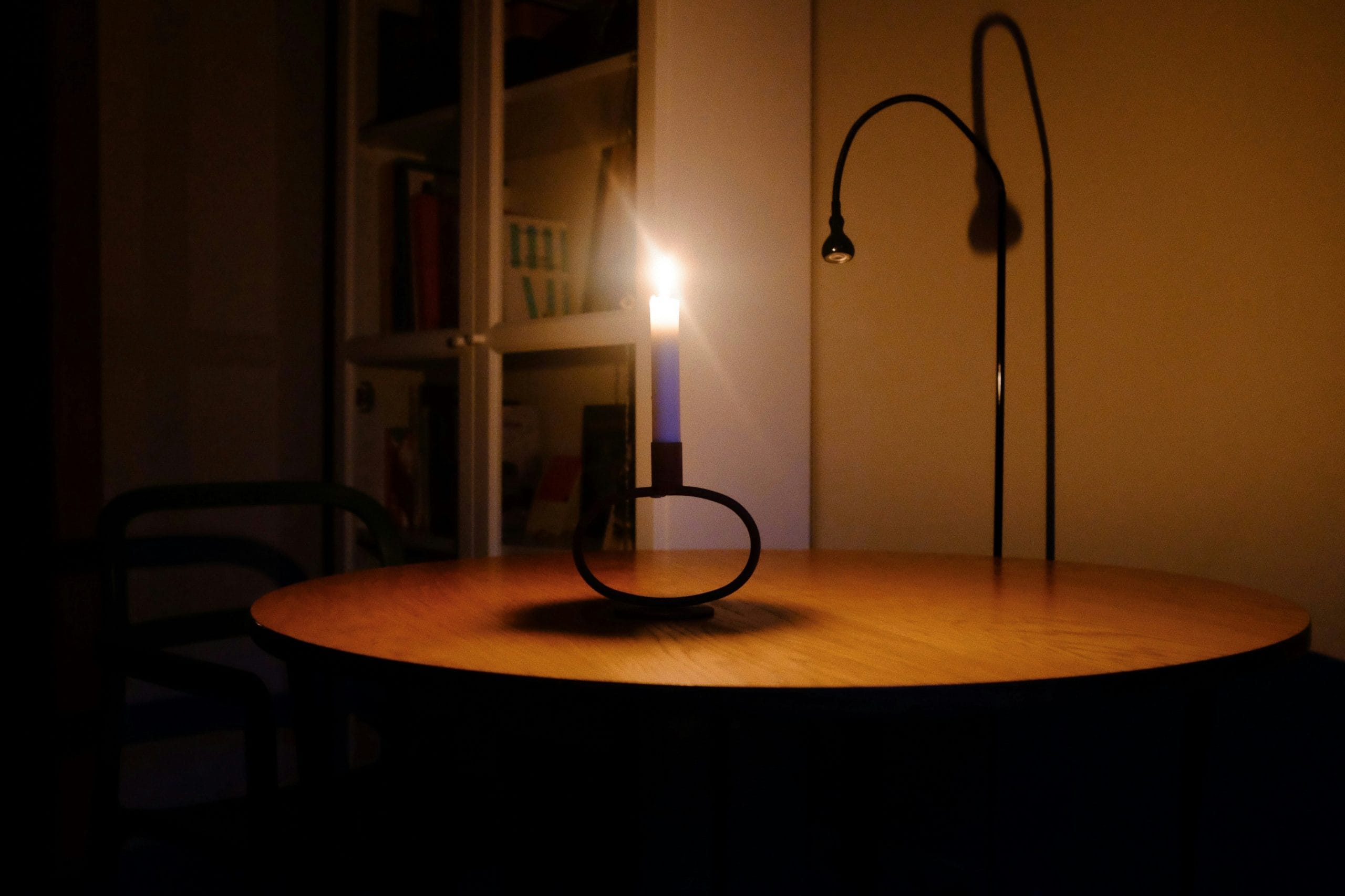
YOGYAKARTA, Jakartaweekly.com—That afternoon, on June 18, 2026, the atmosphere at Kopi Rumah Bapak, a small homegrown coffee shop in Sleman, Yogyakarta, changed abruptly. The espresso machine, which normally hummed as it served customers’ orders, suddenly stopped. The lights went out. The power was cut.
Without any prior notice from the state-owned electricity company PLN, the outage lasted from approximately 3:00 p.m. to 7:00 p.m. local time. For some people, four hours may seem like a short period. But not for 31-year-old Gilang Hannov Putra, the owner of the coffee shop. Those four hours meant customers had to leave without a cup of coffee.
“I had to turn away several customers because the espresso machine could not operate. That meant I was unable to serve espresso-based drinks,” he said.
At his shop, espresso-based beverages are sold for between Rp20,000 and Rp25,000 per cup. By a simple calculation, the four-hour blackout cost him hundreds of thousands of rupiah in potential revenue.
Fortunately, electricity was restored before the busiest hours of the day. Some of the losses were offset because the shop was able to continue operating during its peak business period.
The following day, another outage occurred. This time, electricity was cut in the Baciro area of Yogyakarta during the afternoon. Once again, PLN provided no advance notice.
The impact was felt not only by small business owners. Freelance workers also experienced the consequences of the power cuts.
Tomi, a 50-year-old freelance voice-over artist who regularly records Indonesian-language narration for various clients, was forced to postpone part of his work. Instead of working his usual eight-hour day, he managed only five hours because the outage occurred during working hours.
“As a freelancer, my income is based on billable hours. So my earnings that day were far from optimal,” Tomi told Jakarta Weekly on June 23, 2026.
The experiences of Gilang and Tomi offer just a glimpse of the losses suffered by Indonesia’s micro, small and medium-sized enterprises (MSMEs) as rolling blackouts continue to affect various regions.
Edy Misero, Secretary General of the Indonesian Association of Micro, Small, and Medium Enterprises (Akumindo), warned that repeated power outages could inflict significant losses on the public, particularly MSMEs.
“Electricity has become a basic necessity in the modern era,” Edy said.
The greater society’s and businesses’ dependence on electricity, the greater the losses when rolling blackouts occur. Nevertheless, he acknowledged PLN’s difficult position due to shortages of the coal supplies needed to operate power plants.
“We must acknowledge that PLN’s ability to supply electricity is no longer keeping pace with growing demand. Demand continues to rise while supply remains limited. As a temporary solution, PLN has implemented rolling blackouts across various zones,” Edy explained in an interview with Jakarta Weekly on June 22, 2026.
Two Types of MSMEs, Two Different Impacts
According to Edy, Indonesia’s MSMEs can generally be divided into two groups. The first consists of businesses that have invested in alternative energy sources such as diesel generators.
“These businesses are relatively better prepared because they have backup power. However, their operating costs are higher because, in addition to paying PLN electricity bills, they must also purchase fuel for their generators,” he said.
The second group consists of businesses that rely entirely on PLN and have no backup power systems. These businesses are effectively forced to halt operations whenever an outage occurs.
Unfortunately, the majority of Indonesian MSMEs fall into the second category. Edy estimates that only around 15 percent currently have access to alternative energy sources such as generators or solar panels.
One of those businesses is Ven Ming, owner of Soto Baciro restaurant in Yogyakarta. The absence of an alternative power source leaves him worried whenever electricity is cut.
His concern is understandable. The restaurant depends heavily on PLN electricity to operate refrigerators and freezers used to store ingredients, as well as to provide lighting.
“When the power goes out, the restaurant becomes too dark to operate, so we are forced to close,” Ming said.
Similar concerns were expressed by Firmansyah, better known as Mas Pepeng, the owner of the well-known coffee shop Klinik Kopi. In a recent post on his Instagram account @escoret, he described how coffee roasting has become increasingly stressful amid the threat of rolling blackouts.
Based on his experience, if electricity fails during the roasting process, the coffee beans roast unevenly. Some beans become burnt while others remain underdeveloped, making them unsuitable for sale.
For coffee-roasting businesses, a sudden outage can ruin an entire production batch. If a small roastery is processing five kilograms of Arabica coffee when the power goes out, the potential loss could reach Rp1.25 million in a single day. This estimate does not include the possibility of damage to roasting equipment.
Unexpected Additional Costs
Aware that electricity can be cut without warning, some business owners who have the financial means are seeking ways to reduce the risks.
Gilang is one example. He said he was willing to spend more money to install a 3,000-VA solar power system equipped with a 5-kWh battery storage unit. The investment cost reached approximately Rp20 million.
Meanwhile, other businesses that rely heavily on electricity have begun purchasing Uninterruptible Power Supply (UPS) units to keep their operations running during outages.
PLN Faces a Shortage of Medium-Calorie Coal
The rolling blackouts reported in several parts of Indonesia have raised questions among the public about their underlying cause. The issue has also become a major topic of discussion on social media.
The answer emerged during a hearing between Commission XII of the House of Representatives (DPR) and government officials on June 15, 2026. During the meeting, Energy and Mineral Resources Minister Bahlil Lahadalia revealed that PLN is currently facing a shortage of medium-calorie coal used in power generation.
PLN requires around 154 million tons of coal annually. To ensure supply, the government has instructed mining companies to provide 190 million tons through the Domestic Market Obligation (DMO) scheme.
However, only around 150–160 million tons have been confirmed, while signed contracts cover only about 134 million tons. As a result, there remains a supply shortfall of approximately 20 million tons.
Bahlil said the shortage is largely due to the relatively low DMO price compared with market prices.
At present, coal producers sell coal to PLN at a fixed DMO price of US$70 per ton. By comparison, Indonesia’s benchmark coal price (HBA) as of June 1, 2026, stood at US$121.83 per ton for coal with a calorific value of 6,322 kcal/kg, while medium-calorie coal (5,300 kcal/kg) was priced at US$84.53 per ton.
The substantial price gap has made some producers reluctant to sell medium-calorie coal to PLN under the DMO mechanism, tightening domestic supply even further.
Industry players have also highlighted delays in the approval and revision of the 2026 Work Plan and Budget (RKAB) as another factor exacerbating the situation. Uncertainty over approved production levels has disrupted coal deliveries to the domestic market.
Mining companies reportedly received approval for their 2026 RKAB only in the middle of the first quarter of this year. Under the approved plan, Indonesia’s national coal production quota was reduced by 25 percent compared with the previous year’s output, from 817 million tons to 600 million tons.
The government is currently preparing revisions to the 2026 RKAB, with the evaluation process scheduled to begin in July 2026.
Renewable Energy as a Long-Term Solution
Amid Indonesia’s efforts to address electricity shortages, Akumindo Secretary General Edy expressed hope that the government and PLN would quickly resolve the issue.
He also argued that Indonesia needs to accelerate the development of renewable energy sources capable of supporting the country’s growing electricity demand.
“Indonesia needs a stable and reliable electricity supply if it wants to achieve prosperity by 2045, the centennial of its independence,” Edy said.
He emphasized that one of the most important indicators of a nation’s prosperity is the availability of electricity for its people.
Discover more