OJK Says Super El Nino Could Increase Bank NPLs
JAKARTA, Jakartaweekly.com–The Indonesia Financial Services Authority, OJK, said that climate risks such as Super El Nino could increase the risk of non-performing loans (NPLs).
Head of OJK’s Banking Supervision Executive Dian Ediana Rae explained that the El Nino phenomenon needs to be considered as one of the risks that warrants attention, particularly because it could lead to drier weather conditions and prolonged dry seasons. This, in turn, could increase the risk of drought, production disruptions, and forest and land fires.
From a financial sector perspective, El Nino, which fall under climate risk, is one of the areas of focus in OJK’s regulatory and development efforts. This is because its impact could spread from the real sector to the financial sector and ultimately affect banks’ asset quality, profitability, liquidity and capital levels.
El Nino-related climate risks affect economic sectors that depend on weather conditions, such as agriculture, plantations, livestocks, fisheries, and the food and beverage industry. Disruptions to production and business activities, higher operating costs, and declining revenues could affect borrowers’ ability to meet the obligations.
“These conditions could ultimately increase the risk of non-performing loans,” Dian said on Tuesday, September 22, 2026.
Banks with high concentrations of financing in economic sectors or regions vulnerable to the impacts of El Nino could face greater risks of declining asset quality compared with banks with more diversified portfolios.
Therefore, OJK is encouraging the banking industry to begin preparing transition plans by integrating the impact of climate risks into their business strategies and risk management. In addition, banks are considered to need to start allocating capital and financing to environmentally friendly sectors and developing sustainability-based financial products.
These efforts are part of climate risk mitigation and adaptation measures. They also send a signal to all economic sectors to develop business strategies and transition toward a more sustainable economy.
For the Rural Credit Bank, particularly Bank Perkreditan Rakyat (BPR) industry, OJK sees relatively significant risks. This is mainly because some BPRs have financing exposure closely tied to local economic sectors, including agriculture, trade, and MSMEs, which could be affected by production disruptions or declining economic activity among local communities.
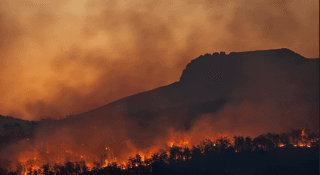
Forest fires in Kalimantan could affect banks’ capital and liquidity
Furthermore, Dian explained that forest fires in Kalimantan have historically had wide-ranging impacts on the ecosystem, society, and the economy. The direct impact of forest damage includes asset losses and a decline in economic activity.
Sectors affected by forest fires include agriculture, plantations, trade, industry, tourism and the broader economy, as well as education.
For monitoring purposes, OJK said that it and banks independently conduct regular stress tests. This allows OJK and banks to identify early conditions that require attention and prepare appropriate and measurable risk mitigation measures, particularly regarding banks’ capital and liquidity.
“The results of stress tests conducted by OJK and banks show that the banking sector’s capital levels are currently still adequate to absorb potential risks caused by natural disasters,” he added.
However, Dian said OJK continues to monitor developments related to forest and land fires, particularly among banks with significant exposure to affected sectors and regions, while encouraging banks to monitor and manage risks prudently.
Discover more