MPA: Rp1 Trillion Investment in Streaming Industry Could Create 4,000 Jobs
JAKARTA, JakartaWeekly.com—Every Rp1 trillion invested in Indonesia’s online subscription content services sector is estimated to generate more than 4,000 new jobs, highlighting the economic potential of the country’s rapidly growing subscription video market.
Trevor Fernandez, Senior Vice President, Deputy Managing Director, and Head of Policy and Government Affairs for Asia-Pacific at the Motion Picture Association (MPA), said investment in the sector could generate broad economic benefits, spanning production companies, cast and crew, post-production service providers, and infrastructure development.
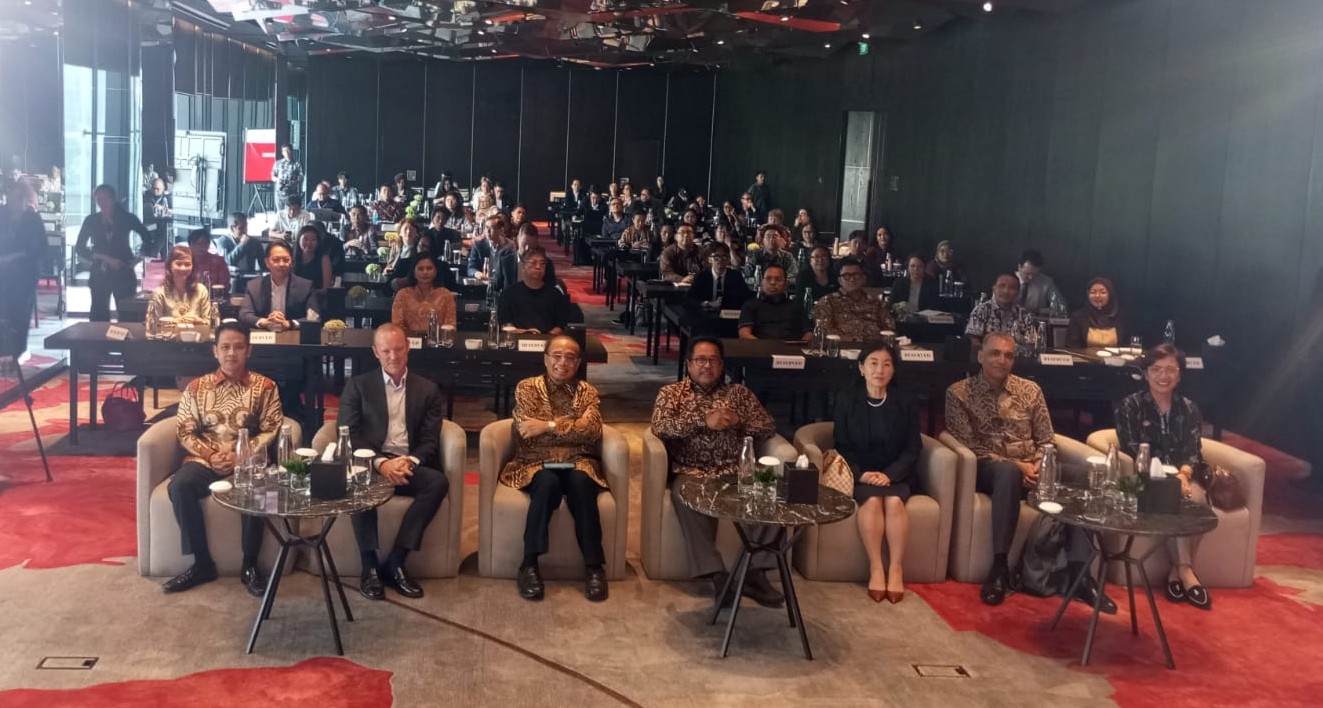
“Our study estimates that for every Rp1 trillion invested in this sector, over 4,000 new jobs are created in Indonesia,” he said at Indonesia Success Stories, part of Jakarta Film Week, in Jakarta on Thursday (October 22, 2026).
According to Fernandez, when streaming services commission productions and license Indonesian stories for audiences around the world, the economic benefits can extend to a wide range of domestic creative industry players.
He said such investment could help build sustainable local industry capabilities, including through workforce skills development and the expansion of production facilities.
According to a study by Frontier Economics commissioned by the MPA, Indonesia had more than 21 million subscribers to online subscription content services in 2024. The subscriber base grew by 40% annually from 2019, well above the Asia-Pacific average.
The same study projects that paid subscriptions will reach 30 million by 2029. Meanwhile, subscription video revenue in Indonesia exceeded US$400 million in 2024, up 51% from 2019. The study identified this as the fastest growth rate in the Asia-Pacific region.
Fernandez said these market developments reflected strong consumer demand and significant long-term economic opportunities for Indonesia.
However, he cautioned that the benefits of investment would not materialize automatically. Indonesia must compete with other regional markets to attract screen production investment, including location shoots and production services.
A clear, predictable, and coordinated policy environment is therefore essential to reduce uncertainty and strengthen Indonesia’s ability to attract and retain investment, he said.
He also highlighted the importance of strong copyright protection and enforcement, support for workforce skills development, production facilities, transparent incentives, and efficient permitting processes.
The MPA, he added, continues to work with the Indonesian government and the country’s screen industry to promote proportionate and transparent regulations, alongside practical policies that protect consumers, safeguard freedom of expression, encourage innovation, and sustain investment in Indonesian stories and skills.
Fernandez said Indonesia had the audience base, talent, and creative ambition needed to develop its screen industry.
He expressed hope that growth in the streaming market would translate into long-term economic opportunities for creative industry players across Indonesia.
Indonesia’s Film Industry Potential
Meanwhile, Indonesia’s Ambassador to the United States, Dwisuryo Indroyono Soesilo, said Indonesian films attracted 82.6 million cinema admissions in 2025, accounting for approximately 64% of total cinema admissions.
“This demonstrates the strength of Indonesia’s storytelling and the demand for locally produced content,” he said.
Indroyono said Indonesia’s film industry potential extended beyond box office receipts to include the growth of streaming services.
Citing projections from the Global Entertainment and Media Outlook, he said Indonesia’s box office revenue was expected to increase from US$353 million in 2025 to US$452 million by 2030, representing annual growth of 5.1%. This exceeds the Asia-Pacific average of 1.43%.
Streaming revenue, meanwhile, is projected to rise from US$1.1 billion to US$1.7 billion over the same period.
According to Indroyono, Indonesia’s sizable market and pool of creative talent provide a strong foundation for developing its film industry. However, realizing this potential requires investment, technology, skilled professionals, and access to global distribution networks.
He welcomed the Jakarta provincial government’s efforts to strengthen the creative economy and position the capital as a global city and regional hub for film production and creative industries.
Initiatives such as the Jakarta Film Commission and Filming in Jakarta could help make the city more attractive to international productions and investors.
Indroyono also outlined the outcomes of an Indonesia–United States forum on digital technology and the creative industries held in Los Angeles. One key takeaway was the need for clearer production incentives, adequate facilities, and a single point of contact for industry players.
The Jakarta Film Commission, he said, could play an important role in turning international interest into concrete investment and partnerships. It could also serve as a model for other regions across Indonesia.
Cooperation and AI Challenges
Indroyono emphasized that cooperation with US film studios, streaming platforms, and technology companies should focus on developing original Indonesian stories, expanding co-production opportunities, and bringing Indonesian culture to international audiences.
He also highlighted the growing use of artificial intelligence (AI) in the film industry. The technology is increasingly being used in screenplay development, storyboarding, visual effects, and post-production.
According to Indroyono, AI can help smaller studios reduce production costs and pursue more ambitious projects. However, its use also raises concerns about the future of creative jobs, intellectual property protection, and creators’ rights.
He said innovation must go hand in hand with protecting creative professionals and original works. Cooperation with US technology companies and creative institutions could open up opportunities for AI training, advanced production techniques, and stronger intellectual property protection.
Indroyono added that the Indonesian Embassy in Washington, D.C., was working to facilitate partnerships with US studios, streaming platforms, and technology companies, particularly in co-production and investment.
He expressed hope that these partnerships would help Indonesian filmmakers develop their own intellectual property and reach global audiences while generating long-term economic benefits for both countries.
According to Indroyono, developing the film industry requires more than incentives and streamlined permitting. It also calls for lasting partnerships that strengthen Indonesia’s domestic industry and expand opportunities for its creative professionals.
Discover more