How Much Does Jakarta Spend to Keep TransJakarta Affordable?
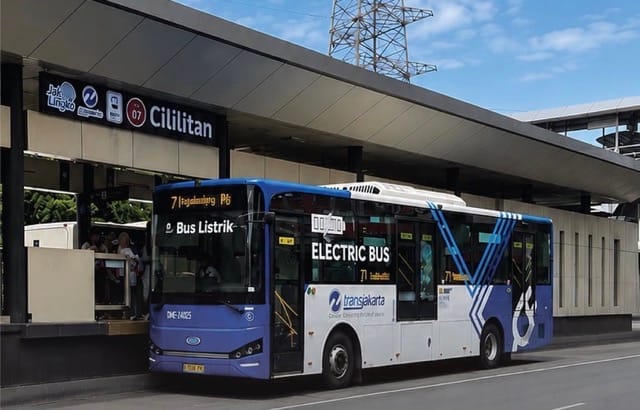
JAKARTA, Jakartaweekly.com — The debate over a potential fare increase for the Transjabodetabek, has resurfaced in recent weeks. Jakarta’s provincial government has explained that the main considerations behind the proposal are the continuous expansion of the network over the past few years and the growing subsidy burden, which has now exceeded Rp9,000 per passenger.
For the 2026 fiscal year, the Jakarta Provincial Government has allocated a total of Rp4.77 trillion for public transportation subsidies. Of this amount, Rp3.75 trillion is designated for TransJakarta and Transjabodetabek, Rp700 billion for MRT Jakarta, and Rp325.28 billion for LRT Jakarta. Meanwhile, Jakarta’s regional budget (APBD) for 2026 stands at Rp81.32 trillion.
Although the allocation for public transportation remains substantial, TransJakarta’s subsidy budget has declined compared to the previous year. In 2025, the provincial government allocated Rp4.04 trillion in subsidies for TransJakarta, while Jakarta’s APBD amounted to Rp91.86 trillion.
Looking at the longer-term trend, however, government support for TransJakarta has steadily increased since 2021.
| Fiscal Year | TransJakarta Subsidy | Jakarta APBD |
| 2026 | Rp3.75 trillion | Rp81.32 trillion |
| 2025 | Rp4.04 trillion | Rp91.86 trillion |
| 2024 | Rp3.63 trillion | Rp81.71 trillion |
| 2023 | Rp3.26 trillion | Rp79.56 trillion |
| 2022 | Rp3.22 trillion | Rp82.47 trillion |
| 2021 | Rp2.76 trillion | Rp79.89 trillion |
Based on the subsidies described above, TransJakarta currently applies a flat fare of Rp3,500 across all routes. This includes long-distance services such as Blok M–Bogor and Blok M–Soekarno-Hatta International Airport.
The fare remains relatively low compared to similar bus rapid transit (BRT) systems operating in major Indonesian cities.
| Bus Service | Fare |
| Trans Jogja | Cash: Rp3,500; Cashless: Rp2,700 |
| Batik Solo Trans | Regular: Rp3,700 |
| Trans Semarang | Cash: Rp4,000; Cashless: Rp3,500 |
| Trans Banyumas | Regular: Rp3,900 |
| Trans Jatim & Trans Malang Raya | Regular: Rp5,000 |
| Trans Metro Bandung | Regular: Rp4,000 |
| Metro Jabar Trans | Regular: Rp4,900 |
| Trans Musi | Regular: Rp4,000 |
| Trans Mebidang | Regular: Rp5,000 |
| Trans Padang | Regular: Rp3,500 |
| Trans Metro Pekanbaru | Regular: Rp4,000 |
| Trans Batam | Regular: Rp5,000 |
| Trans Mamminasata | Regular: Rp4,600 |
| Trans Metro Dewata | Regular: Rp4,400 |
| Teman Bus Banjarmasin | Regular: Rp3,000 |
A Double-Edged Sword for Jakarta’s Economy
Djoko Setijowarno, Advisory Board Member of the Indonesian Transportation Society (MTI) and an academic at Soegijapranata Catholic University’s Civil Engineering Department, said the proposed fare adjustment could become a double-edged sword, affecting both Jakarta’s fiscal health and residents’ purchasing power.
According to Djoko, a fare increase could help reduce pressure on Jakarta’s budget and create additional fiscal space that could be redirected toward other priority programs. It could also enable TransJakarta to accelerate the adoption of electric buses, improve low-platform bus stop infrastructure, renew aging fleets, increase service frequency to reduce waiting times, and strengthen physical integration between transportation modes.
However, the policy could also have a significant impact on household spending, particularly among lower-income residents who heavily rely on both BRT and non-BRT corridors.
“For that reason, any fare adjustment requires a consistent and effective implementation of the zero-fare scheme for 15 designated groups, including senior citizens, students, people with disabilities, and workers holding Jakarta ID cards, to prevent a rise in urban poverty caused by mobility constraints,” Djoko said on Monday, June 15, 2026.
Government Promises Continued Subsidies
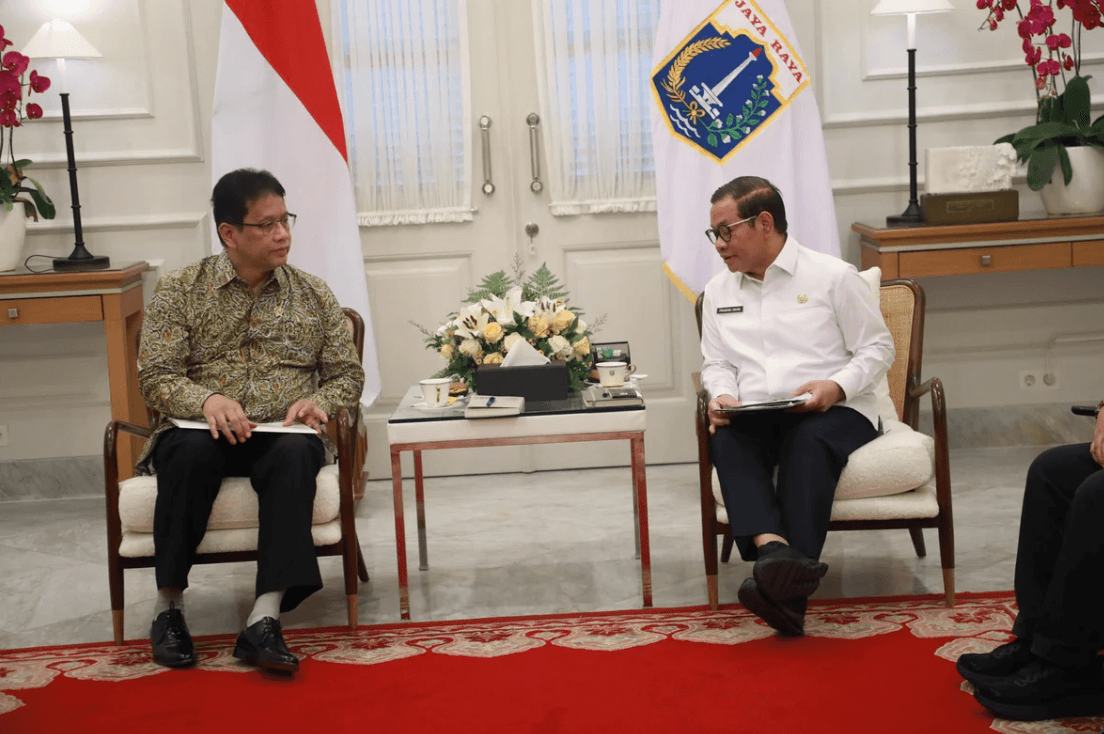
Earlier, Jakarta Governor Pramono Anung emphasized that the provincial government would continue subsidizing TransJakarta fares even if adjustments are introduced.
He also stated that any fare increase would be carefully calibrated to avoid pushing commuters back toward private vehicles.
Currently, the Jakarta administration estimates that less than 30% of residents regularly use public transportation, despite the city’s public transport connectivity reaching approximately 93%.
The provincial government has yet to announce a specific fare range under consideration. However, Pramono confirmed that public transportation services would remain free for the existing 15 beneficiary groups, with the possibility of expanding the list in the future.
Meanwhile, Jakarta Transportation Agency Head Budi Awaluddin said the maximum integrated Transjabodetabek fare would be capped at Rp10,000 for passengers using multiple modes of public transportation. The fare would remain valid for up to three hours and would be accessible through the JakLingko application.
Budi also revealed that the subsidy provided for each Transjabodetabek passenger is estimated at around Rp12,000 per trip in 2026, with a total budget allocation of Rp400 billion.
Discover more