
How to Prepare an Emergency Fund When Facing a Disaster
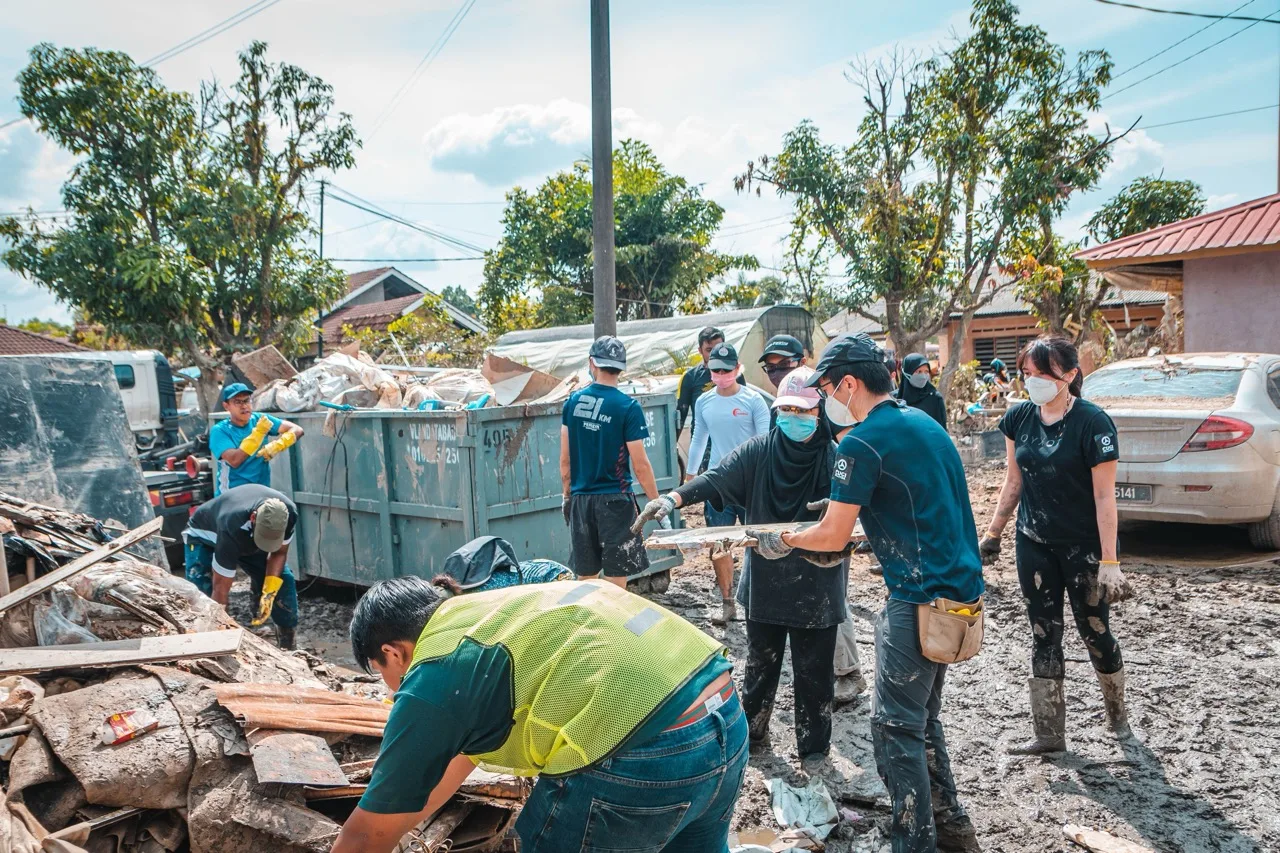
JAKARTA, Jakartaweekly.com—When a region is hit by a natural disaster, food suplies are often scarce, internet connection may be disrupted, and transportation access can be limited. To prepare for unexpected disasters, we need financial knowledge to ensure we have an adequate emergency fund.
Devi Haran, a Certified Money Manager, explained that an emergency fund is money set aside to cover unexpected changes in living expenses. For example, someone living in an area affected by drought may suddenly need to buy water when their usual water source dries up. This is when an emergency fund becomes essential.
So, how can we prepare and manage an emergency fund when facing a disaster?
Understand the Risks in Your Area
When preparing an emergency fund, Devi explained that there is no fixed rule requiring people to save three, six, or 12 times their monthly expenses. An emergency fund should instead reflect each person’s individual risks.
“We need to understand not only how much we spend under normal circumstances, but also what happens to our expenses when conditions are no longer normal,” Devi told Jakarta Weekly on Sunday, September 13, 2026.
Therefore, before deciding how much to set aside, we need to understand what risks we may face and what additional expenses could arise when those risks occur.
Divide Your Emergency Fund Into Survival and Recovery Funds
Once you have determined the amount of your emergency fund based on your personal risks, the next step is to divide it into more specific categories.
Devi explained that for disaster preparedness, especially for those with families, it is advisable to divide the emergency fund into two main categories: a survival fund and a recovery fund.
The survival fund is intended to cover essential needs such as food, water, medicine, and temporary accommodation. Meanwhile, the recovery fund is intended to cover expenses such as cleaning the house, replacing damaged belongings, making repairs or renovations, and other needs after the disaster has passed.
Don’t Keep It All in One Place
Devi recommends keeping an emergency fund across different forms of assets. Under normal circumstances, a bank account that can be accessed easily may be the primary option for storing an emergency fund.
“But when we talk about disasters, we also need to consider scenarios where the power goes out, ATMs stop working, the internet is disrupted, or digital payment systems become unavailable,” Devi said.
Therefore, some of the emergency fund should be kept in cash and stored safely at home. The remainder can stay in an easily accessible bank account.
For the allocation, Devi recommends dividing the fund based on its purpose and when it may be needed. For example, cash can be used to cover expenses during the first few days when access to payment systems may be disrupted. Meanwhile, larger amounts can remain in relatively safe and liquid instruments.
Prioritize Accessibility When Choosing Where to Keep Your Emergency Fund
When deciding where to keep an emergency fund, Devi advises against pursuing higher returns at the expense of accessibility. An emergency fund is not primarily meant to grow wealth, but to be available when we need it most.
“An emergency fund serves as a liquidity buffer that can be used immediately when there is an income disruption or an unexpected expense,” Devi explained.
In the context of disasters, Devi added, we need to make sure that short-term needs and major risks are protected before focusing on asset growth. This means families should have truly liquid funds to cover essential needs, adequate insurance coverage for potential risks, and investments for long-term financial goals.
“We should not have to liquidate investments when the market is falling simply because we don’t have enough liquid funds to deal with an emergency,” she said.
Devi explained that within a financial defense system, an emergency fund helps us stay afloat, insurance prevents a major event from severely damaging our finances, and investments help us move forward once the risk has been managed. The appropriate allocation will depend on each family’s circumstances, including their dependents, income, assets, and the risks associated with where they live.
Avoid Liquidating Investments During a Disaster
If a disaster occurs before your emergency fund is sufficient, the first priority should not be deciding which investment to liquidate, but making sure your family’s basic needs and safety are secured.
Devi divides these needs into three layers. First are survival needs, such as food, water, medicine, and shelter. Second are needs that allow the family to continue functioning, such as transportation and communication. Third are financial obligations that genuinely cannot be postponed.
“Once the essential needs have been met, we can then look at the available sources of funds in order,” she explained.
The first sources should be cash or liquid savings, followed by relevant protection such as insurance coverage applicable to the event, and then other assets that can be liquidated if necessary. Investments should not automatically be the first source of funds, as we need to consider whether liquidating them would result in losses or disrupt our long-term financial goals.
At the same time, we should not prioritize preserving investments at the expense of the family’s basic needs.
“In my view, in a situation like this, the priority is to protect cash flow before protecting the portfolio,” she said.
Once conditions begin to stabilize, reassess your financial situation by reviewing the losses incurred, ongoing financial obligations, available insurance coverage, and how much of the emergency fund needs to be rebuilt.
Disasterearthquakeemergency fundFloresIndonesiaKalimantanmount anak krakatau eruptionnatural disasterNTTSumba
Discover more