



Reinventing Success Beyond the Startup World

Discover more

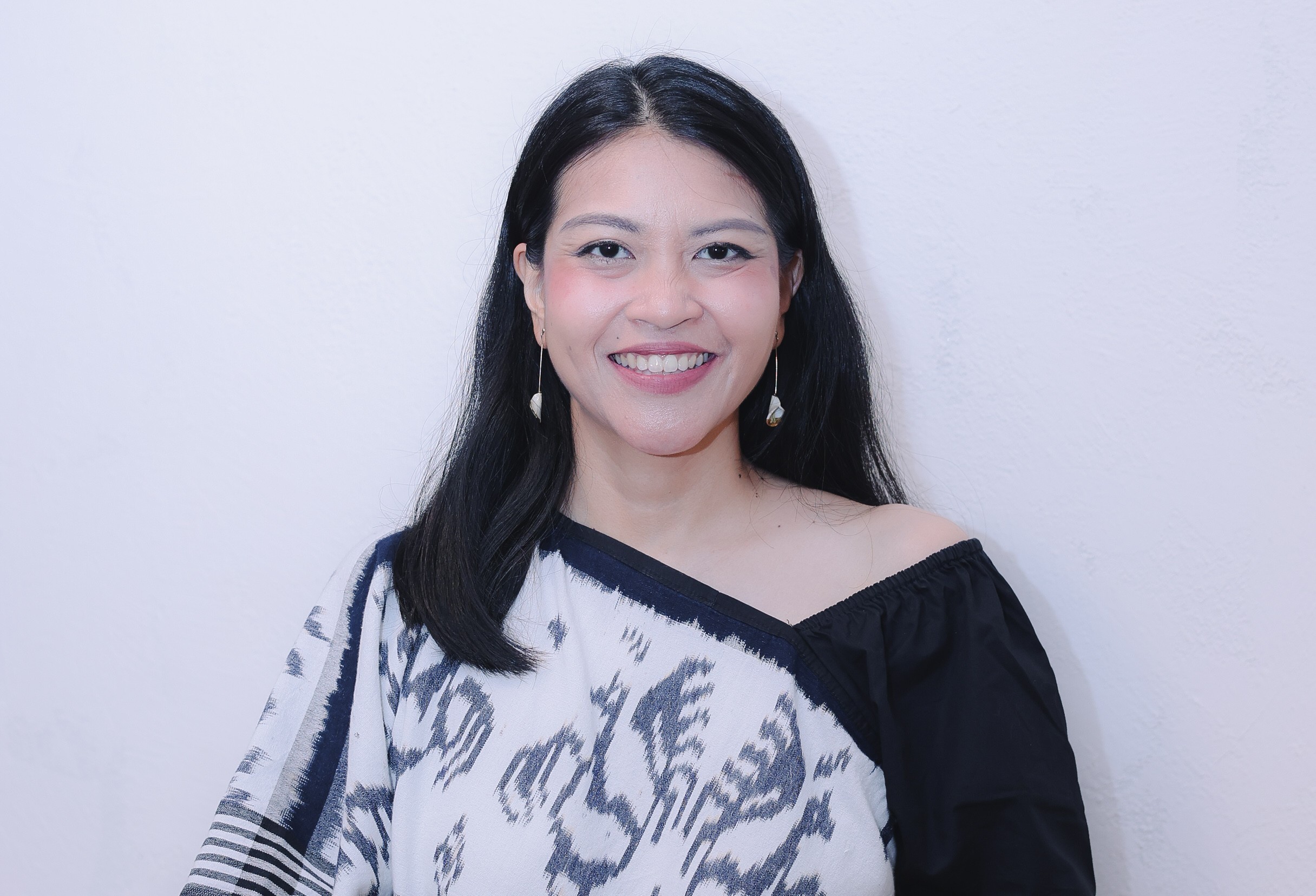



JAKARTA – Jakartaweekly.com – Most career transitions follow a predictable path. Athletes retire from competition and enter the business world, leveraging the discipline and determination they developed through sports to build companies, invest, or lead organizations.
Elisabeth Kurniawan’s story runs in reverse.
Long before stepping onto the ice as a figure skater, Kurniawan had already built a reputation in Indonesia’s startup ecosystem. She experienced the highs and lows of entrepreneurship, transformed business models under pressure, pitched investors more than a hundred times, and eventually became an angel investor and startup advisor.
Yet after establishing herself in business, she chose to pursue something entirely different: competitive figure skating.
At first glance, entrepreneurship and athletics may seem worlds apart. One revolves around balance sheets, fundraising, and growth strategies. The other is built on physical performance, technical precision, and competition. But Kurniawan believes both worlds demand remarkably similar qualities.
“Entrepreneurship and athletics are actually very similar,” she said. “Both require resilience, discipline, consistency, and the ability to keep moving forward even when the outcome is uncertain.”
That philosophy has become the foundation of her second act—one that combines entrepreneurship, investing, startup mentorship, and athletic ambition.
For Kurniawan, the transition wasn’t about leaving business behind. Instead, it was about applying the lessons learned from building companies to a completely different arena.
And many of those lessons were learned the hard way.
Looking back on her entrepreneurial journey, Kurniawan said the first indication that a business had real potential did not come from revenue reports, growth charts, or investor interest.
Instead, it came from people.
“The first sign wasn’t revenue or growth,” she recalled.
“It was when customers, partners, and stakeholders kept showing up before there was any reason for them to.”
People were committing something even more valuable than money—their time, attention, trust, and reputation—long before the business model had fully matured.
“Passion gets you started. Commitment is data,” she said.
While many founders obsess over metrics, Kurniawan learned that human behavior often reveals product-market fit earlier than spreadsheets do.
“When people consistently return, recommend your product, and engage without incentives, that’s a stronger signal than most early-stage metrics.”
Those signals convinced her that the business was no longer simply a passion project. The challenge then became determining how large and impactful it could become.
One of the earliest assumptions Kurniawan made as a founder turned out to be completely wrong.
She believed consumers would remain loyal longer.
Instead, she discovered that Indonesian consumers evolve far faster than many businesses anticipate.
“My first assumption was that consumers would stay longer,” she said. “In reality, they changed much faster than I thought.”
The experience taught her that understanding customers goes beyond demographics.
Businesses need to understand behavior, lifestyle, interests, motivations, and purchasing patterns at a granular level.
“The more deeply you understand your audience, the better you can anticipate how they will change,” she explained.
For startups operating in Indonesia’s highly competitive digital economy, agility has become essential for survival.
Among the many challenges she faced, one stands out as the defining moment of her entrepreneurial career.
At the time, her company had built a media platform with approximately 10 million users interested in fashion, beauty, and lifestyle content.
Management believed that audience could naturally be converted into customers through e-commerce.
The assumption proved incorrect.
“We thought our audience would convert because we had already built trust through content,” she said.
“But consumers who come for free content are not necessarily the same consumers who are ready to make purchases.”
The realization forced a rapid transformation.
The company had to shift its entire mindset—from understanding what audiences wanted to read to understanding what customers wanted to buy.
Trust in editorial content did not automatically translate into trust in transactions, payment systems, delivery processes, and customer service.
“We had to let go of the mindset that what worked before would continue working,” she said.
The pivot required every department—from editorial teams to engineers—to rethink how the business operated.
“Everybody had to adapt very quickly.”
As the business expanded, Kurniawan also learned another crucial lesson: successful companies don’t need to build every capability internally.
Instead, founders should focus on their core strengths and partner for the rest.
For her company, audience development and commerce were core competencies.
Payment infrastructure and logistics were not.
“We knew what our strengths were,” she explained.
“If we tried to build logistics and payment systems ourselves, it would have consumed enormous time and resources.”
Strategic partnerships enabled faster execution while preserving capital.
The lesson remains relevant for founders today.
“The key is understanding what your company truly does best and then finding the right partners to accelerate everything else.”
One of the most difficult aspects of entrepreneurship was fundraising.
Operating in a largely male-dominated investment environment, Kurniawan frequently found herself questioned about her credibility and qualifications.
Unlike many founders backed by prestigious universities or top consulting firms, she did not fit the conventional mold investors often expected.
“The question was always why they should trust me,” she said.
“Why me instead of someone from Harvard, Stanford, McKinsey, or BCG?”
The experience was emotionally exhausting.
Each rejection required rebuilding confidence before the next meeting.
“It felt like getting punched mentally and then standing back up again an hour later for the next pitch.”
To stay focused, Kurniawan repeatedly returned to the same questions:
Why does this company exist?
Why am I building it?
What impact will it create?
That conviction kept her moving forward.
Eventually, after 103 unsuccessful attempts, one investor finally said yes.
“I only needed one person to take that risk with us,” she said.
“That happened during the 104th pitch.”
If she could revisit one decision as a founder, Kurniawan would rethink how quickly her company expanded its workforce.
Like many startups during the era of cheap capital, growth often took precedence over efficiency.
“Hiring too fast was probably one of the biggest operational mistakes we made,” she said.
Today, she believes startups should prioritize exceptional talent and lean operations over rapid headcount expansion.
“I would invest in highly capable and adaptable people while keeping the organization lean.”
The lesson reflects a broader shift in the startup ecosystem, where investors increasingly prioritize sustainability over aggressive growth.
“The era of growth at all costs is over,” she said.
Despite the challenges, Kurniawan remains optimistic about entrepreneurship and innovation in Indonesia.
Whether she is advising startups, evaluating investments, or training as a figure skater, she continues to rely on the same principle that helped her navigate uncertainty as a founder.
Conviction.
If she could share one message with aspiring female founders across Indonesia, it would be simple:
“Be yourself. Don’t let other people’s judgment steer you away from what you believe in.”
For Kurniawan, success is not determined by credentials, background, or even immediate results.
It begins with believing in a vision strongly enough to keep moving forward when nobody else does.
And perhaps that is why her journey from entrepreneur to athlete feels less like a career change and more like a continuation of the same story.
After all, whether on the startup stage or the ice rink, progress belongs to those willing to fall, get back up, and keep going.