Spain’s 2026 World Cup Champions Repeat a Familiar 2010 Story
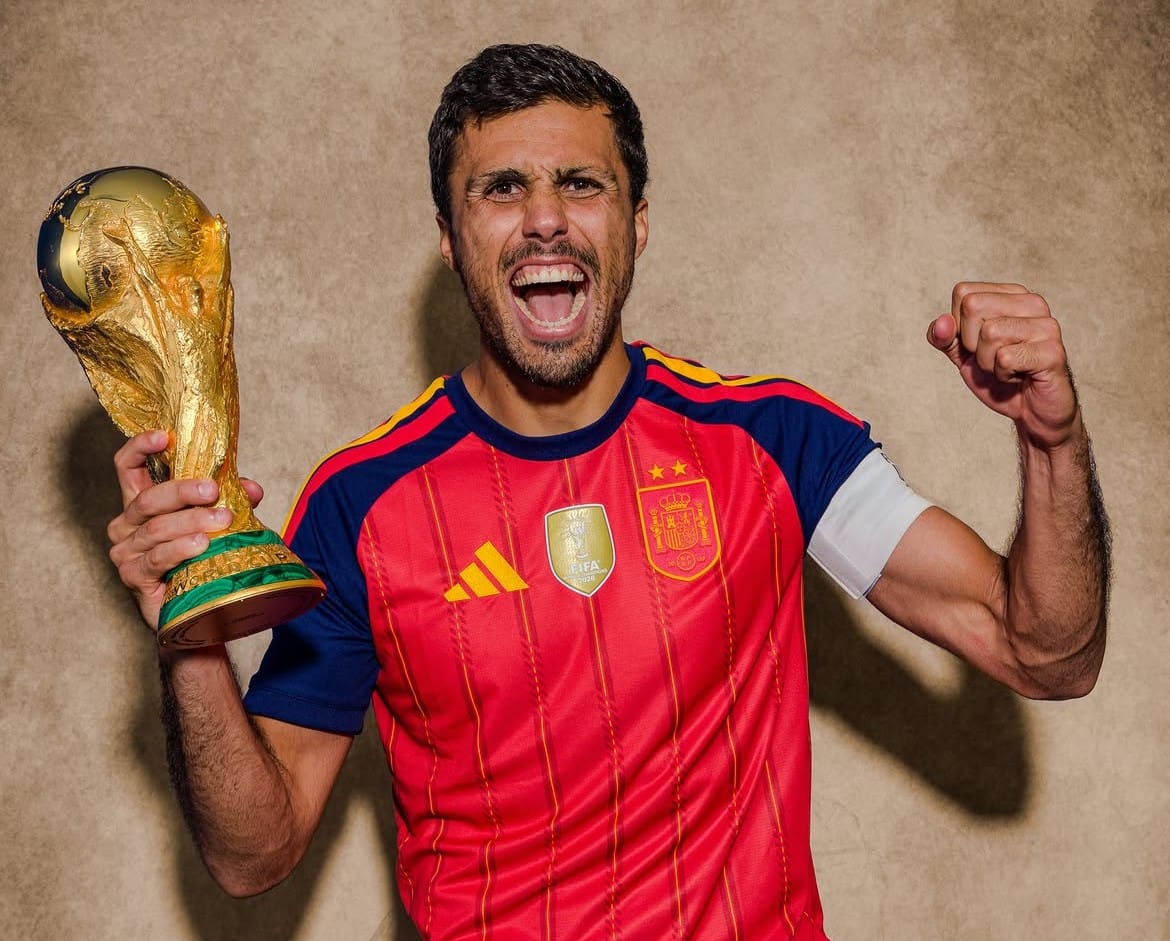
JAKARTA, Jakartaweekly.com—Spain are world champions once again. La Roja defeated Argentina 1-0 after extra time in the 2026 FIFA World Cup final, with Ferran Torres scoring the decisive goal that secured the nation’s second World Cup title and ended a 16-year wait since their historic triumph in South Africa.
What makes this victory even more fascinating is how closely it resembles Spain’s unforgettable run in 2010. From entering the tournament as European champions to winning crucial knockout matches by the narrowest of margins, several moments from the 2026 campaign felt like a replay of the nation’s first World Cup success.
Entering the World Cup as European Champions
Led by a legendary group including Xavi, Andrés Iniesta, and Iker Casillas, they turned continental success into global glory.The same thing happened in 2026.After winning UEFA Euro 2024, Spain once again came into the World Cup as favorites and achieved the rare feat of winning both the European Championship and the World Cup within the same period.
Drawn into Group H Once Again
In 2010, Spain were placed in Group H with Switzerland, Honduras, and Chile.Sixteen years later, Luis de la Fuente’s team found themselves back in Group H again, with different opponents but the same group, adding another interesting link between the two championships.
Spain’s path to the 2010 title wasn’t easy
They lost their first game 1-0 to Switzerland, which raised doubts about their chances.But they bounced back with a strong run, eventually winning the title.The 2026 tournament followed a similar pattern.A goalless draw against Cape Verde sparked concerns, but the team gradually found its rhythm and grew stronger, eventually lifting the trophy.
Another Extra-Time Winner on the Biggest Stage
Ferran Torres scored in the 106th minute of extra time, giving Spain a dramatic 1-0 win over Argentina.The moment brought back memories of the 2010 final against the Netherlands, where Andrés Iniesta scored in the 116th minute to win Spain their first World Cup.
José Mourinho Returned to Real Madrid
José Mourinho returned to Real Madrid in 2026, just like he did in 2010, when he took charge of the club shortly before Spain’s first World Cup win. Though the manager’s role wasn’t directly connected to the national team’s success, the timing of his return added another interesting parallel between the two tournaments.
Defensive Solidity Remained Spain’s Foundation
Spain’s success in 2010 was built on one of the strongest defensive displays in World Cup history. The team conceded only two goals throughout the tournament and relied on disciplined organization in every knockout match.
That defensive identity remained intact in 2026. Spain’s compact structure and collective discipline made it extremely difficult for opponents to create meaningful chances all the way to the final.
Possession Football Continued to Define La Roja
Although the squad had changed significantly, Spain’s football philosophy remained untouched. Possession, intelligent passing, and patience continued to shape the team’s approach under Luis de la Fuente.
The tiki-taka era may have evolved, but its principles survived through players such as Rodri, Pedri, Lamine Yamal, and Ferran Torres. The faces changed, yet Spain’s football DNA remained unmistakable.
Shakira Returned to the World Cup Stage
The final similarity came away from the pitch. Colombian superstar Shakira once again became part of the World Cup atmosphere, bringing back memories of Spain’s first triumph in 2010.
Her iconic song Waka Waka (This Time for Africa) became inseparable from the 2010 tournament and Spain’s historic victory. In 2026, she returned with Dai Dai, making her presence another memorable link between the two occasions when La Roja lifted football’s biggest prize.
Andrés IniestaArgentina National Football TeamFerran TorresFIFA World Cup 2010FIFA World Cup 2026La RojaShakiraSpain National Football Team
Discover more