SW Indonesia Introduces Sustainability Technology for Decision-Ready ESG Data
JAKARTA — Jakartaweekly.com. As sustainability information moves closer to the core of corporate reporting and decision-making, companies face a new challenge: not simply producing more disclosures, but building data that management, investors and other stakeholders can rely on.
Responding to this shift, SW Indonesia, through the SW Sustainability Center, has introduced Sustainability Technology, a technology-enabled solution designed to help companies manage ESG information more systematically.
The solution comes at a transitional point for sustainability reporting in Indonesia. POJK No. 51/POJK.03/2017 remains an important foundation for sustainable finance requirements for financial services institutions, issuers and public companies, while SEOJK No. 16/SEOJK.04/2021 provides the sustainability reporting framework for issuers and public companies.
The next milestone comes on January 1, 2027, when PSPK 1 on General Requirements for Disclosure of Sustainability-related Financial Information and PSPK 2 on Climate-related Disclosures become effective, bringing Indonesia’s reporting framework closer to the IFRS Sustainability Disclosure Standards.
Building the Data Infrastructure Behind Sustainability
Rather than treating sustainability as a once-a-year reporting exercise, SW Indonesia positions the new platform as part of the operating infrastructure behind sustainability management.
Its three core areas are ESG Health Check, GHG Emissions Calculation and Sustainability Reporting.
ESG Health Check helps management assess its current readiness, identify gaps and establish priorities for a sustainability roadmap. GHG Emissions Calculation supports more structured collection and processing of emissions data, enabling companies to establish baselines, monitor performance and develop measurable decarbonisation initiatives.
Sustainability Reporting brings this data into a more consistent and traceable disclosure process, supported by professional interpretation of evolving standards and regulatory expectations.
This approach is also aligned with the broader development of Indonesia’s sustainable finance ecosystem, including the Taksonomi untuk Keuangan Berkelanjutan Indonesia (TKBI) and the Indonesia Sustainable Capital Market Roadmap 2026–2030.
Together, these developments are pushing sustainability beyond corporate communications and into governance, risk management, capital allocation, reporting and business strategy.
“The strategic value of sustainability does not come from the volume of disclosure. It comes from the quality of the information behind it — whether management can trust the data, connect it to business decisions and act on it with confidence,” said Michell Suharli, CEO of SW Indonesia.
From Compliance to Management Intelligence
According to Michell, technology can reduce the distance between sustainability data and management action.
When environmental, social, operational and risk information can be collected and interpreted through a more disciplined process, sustainability becomes more useful to executives — not only during reporting season, but throughout the year.
“Technology gives organisations speed, scale and visibility. But those advantages only matter when they sharpen human judgment rather than replace it. A system may connect thousands of data points; leadership must still decide what is material, what deserves attention and what responsible action looks like,” Michell added.
SW Indonesia therefore positions Sustainability Technology as an enabler rather than a substitute for professional judgment. The objective is to improve consistency, traceability, efficiency and control over increasingly complex sustainability information while keeping accountability with management and professionals.
Through this end-to-end approach, companies can move from understanding their current ESG position to measuring emissions and other sustainability indicators, identifying areas for improvement and preparing more credible disclosures in line with the direction of Indonesian and international standards.
“The companies that will be best prepared for the next phase of sustainability are not simply those with ambitious targets. They are the ones that can demonstrate a disciplined connection between targets, data, decisions, actions and outcomes,” Michell concluded.
Expanding Sustainability Capabilities Across Southeast Asia
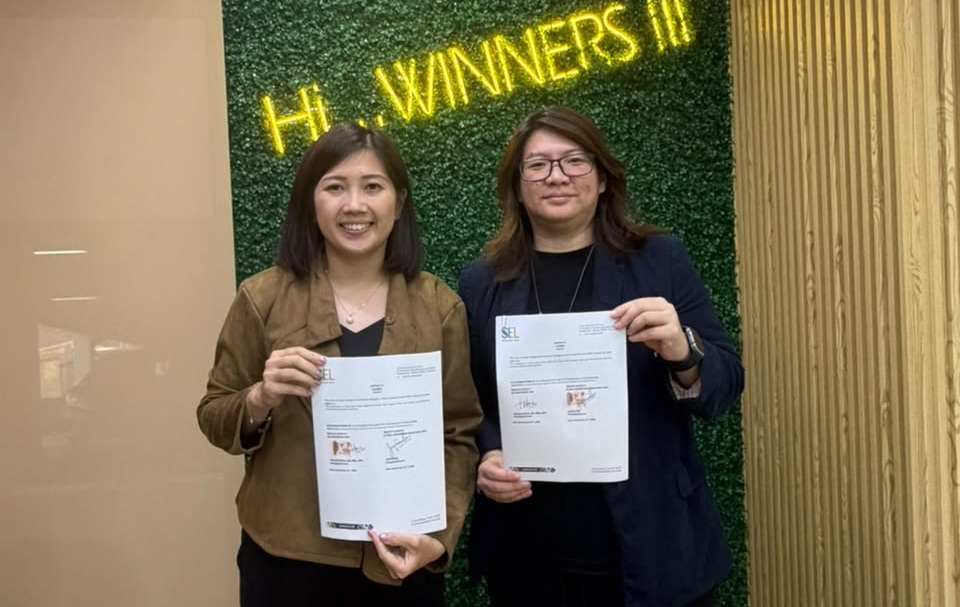
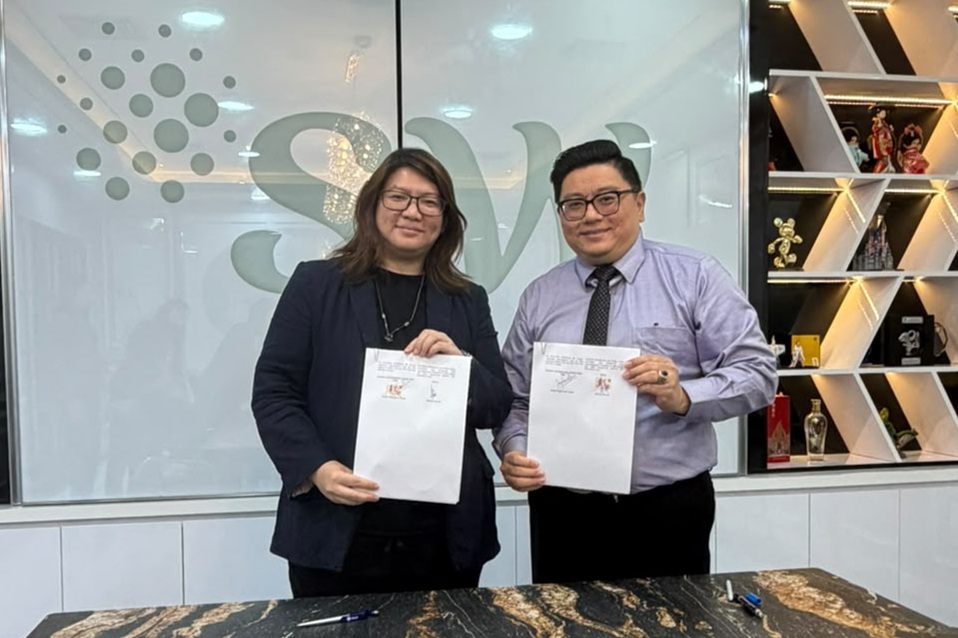
Joyline Chai, Managing Director of Global Hemisphere Group Sdn. Bhd. Malaysia, welcomed the opportunity to be part of a shared service with SW Indonesia.
“We are delighted to be part of this shared service with SW Indonesia. For us, this is not simply about bringing technology into sustainability, but about combining capabilities, knowledge and experience to deliver stronger sustainability solutions. Through this shared service, we also see an opportunity to expand our reach across Southeast Asia and help more companies transform sustainability data into insights, action and business value,” said Joyline.
With Sustainability Technology, SW Indonesia aims to help companies move from sustainability commitment to sustainability capability by combining technology, professional expertise and regulatory awareness to support more decision-useful sustainability information
Discover more