
Indonesia, a Paradise for Muslim-Friendly Travel: 10 Must-Visit Destinations
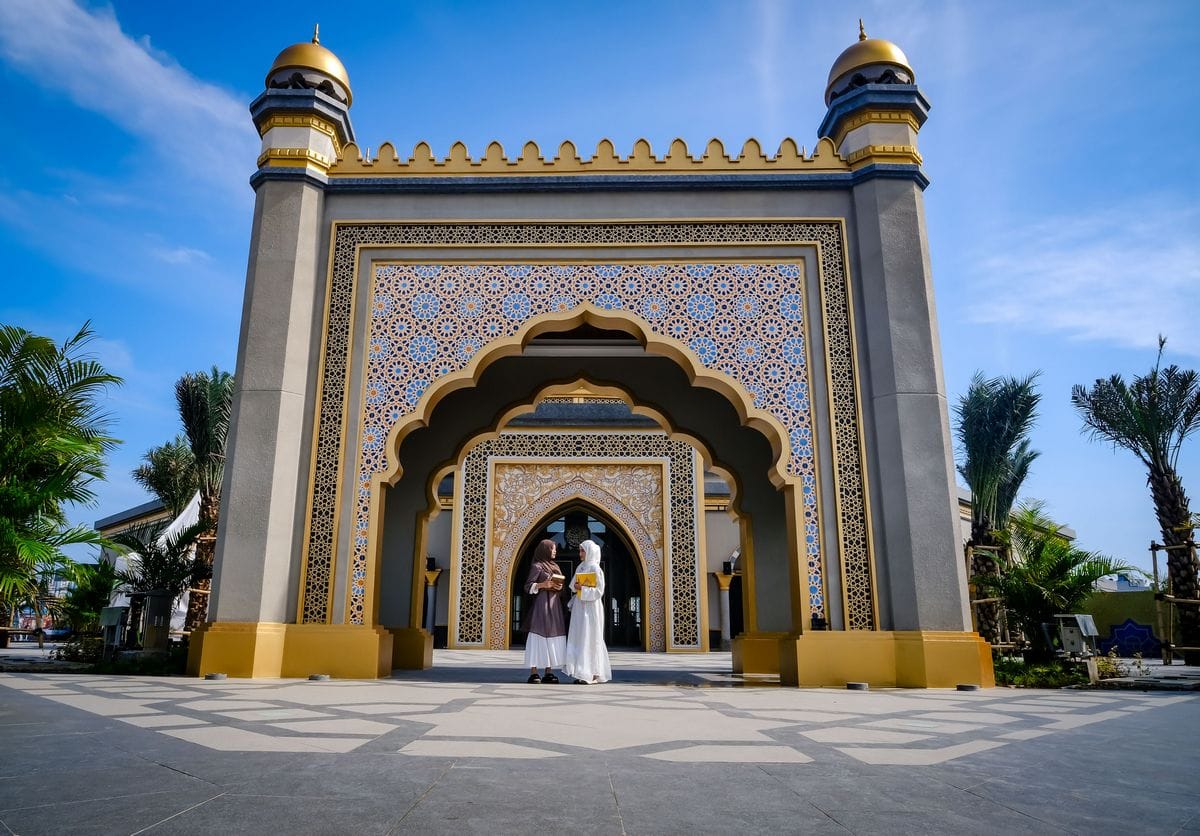
JAKARTA, Jakartaweekly.com — As the country with the world’s largest Muslim population, Indonesia stands at a pivotal moment in shaping the future of global Muslim-friendly tourism. Across its vast archipelago, destinations continue to evolve to meet the expectations of Muslim travelers seeking comfort, convenience, and peace of mind in practicing their faith while traveling.
These efforts are increasingly gaining international recognition. In the 2026 Global Muslim Travel Index (GMTI), Indonesia ranked second globally as a Muslim-friendly travel destination, further solidifying its position as one of the most influential players in the global Muslim travel economy.
At the same time, market demand continues to grow rapidly. Muslim travel is no longer a niche segment but one of the fastest-growing sectors in global tourism, prompting destinations worldwide to reassess their infrastructure, services, and hospitality standards. Indonesia has positioned itself at the heart of this transformation.
Below are some destinations that offer compelling options for Muslim travelers in Indonesia:
Lombok: An Island at the Forefront of Muslim-Friendly Tourism
Lombok has steadily built a reputation as Indonesia’s premier Muslim-friendly destination. Mosques are easily accessible, halal-certified restaurants have become the norm, and prayer facilities are seamlessly integrated into tourist areas.
Beyond its infrastructure, the island boasts stunning natural attractions, including Tanjung Aan Beach, Merese Hill, the Mandalika tourism area, and the Gili Islands. Muslim travelers can also visit Sade Village to gain insight into the local Sasak culture.
Lombok’s appeal as a Muslim-friendly destination stems from its predominantly Muslim population, abundant mosques, easily accessible halal cuisine, and accommodations that cater to the religious needs of travelers.
Aceh: Where Faith Shapes the Landscape
At the northern tip of Sumatra, Aceh is widely known as the “Veranda of Mecca.” This identity is deeply rooted in its strong Islamic heritage, symbolized by the iconic Baiturrahman Grand Mosque.
Beyond religious tourism, visitors can explore the Aceh Tsunami Museum, enjoy the scenic beauty of Lampuuk Beach, or venture to Weh Island, renowned for its marine tourism.
Aceh is considered one of Indonesia’s most Muslim-friendly destinations due to the integration of Islamic values into daily life, the widespread availability of halal food, and an environment that supports the comfort of Muslim travelers.
West Sumatra: A Blend of Culture, Mountains, and Islamic Heritage
West Sumatra harmoniously combines Minangkabau traditions with Islamic values. Landmarks such as Jam Gadang, Harau Valley, Lake Maninjau, and Pagaruyung Palace are among the region’s main attractions.
In the Solok area, visitors can also enjoy the twin lakes and expansive tea plantations set against a cool mountain backdrop.
The destination is particularly welcoming to Muslim travelers thanks to the Minangkabau philosophy of “Adat Basandi Syarak, Syarak Basandi Kitabullah” (custom founded upon Islamic law, and Islamic law founded upon the Quran), complemented by halal cuisine, accessible prayer facilities, and deeply rooted Islamic values within the community.
Jakarta: Religious Heritage in a Modern Metropolis
As Indonesia’s bustling capital, Jakarta maintains a strong connection to Islamic tourism through Istiqlal Mosque, the largest mosque in Southeast Asia.
Visitors can also explore Jakarta Old Town, the National Monument, and Taman Mini Indonesia Indah. Jakarta is considered Muslim-friendly due to its extensive selection of halal restaurants, readily available prayer facilities in tourist attractions and shopping centers, and hotels that cater to Muslim travelers.
Yogyakarta: Where Culture Meets Spirituality
Yogyakarta offers a unique blend of cultural heritage and spiritual experiences. The Gedhe Kauman Mosque and Jogokariyan Mosque play important roles in the city’s religious tourism landscape. Visitors can also stroll along Malioboro Street and explore the Yogyakarta Palace, which reflects the rich historical and Islamic heritage of Javanese culture.
Yogyakarta is especially welcoming to Muslim travelers thanks to easy access to mosques, abundant halal culinary options, and a well-preserved Islamic cultural legacy.
Solo: An Emerging Center for Religious Tourism
Solo has emerged as one of Central Java’s leading destinations for religious tourism. The Sheikh Zayed Grand Mosque has become a new landmark, attracting thousands of visitors each day. Travelers can also visit the Surakarta Palace, Laweyan Batik Village, and the Great Mosque of Surakarta.
The city is regarded as Muslim-friendly due to its wealth of religious attractions, plentiful halal cuisine, and prayer facilities available throughout its tourist areas.
Bandung: A Rising Star on the Muslim-Friendly Tourism Map
West Java was recently named “The Most Promising Region of the Year” at the GMTI Awards 2026. Bandung serves as the driving force behind the province’s tourism appeal through its combination of natural attractions, culinary experiences, and Muslim-friendly facilities.
Popular destinations include Al Jabbar Grand Mosque, Orchid Forest Cikole, Kawah Putih, and Gedung Sate. Bandung is considered Muslim-friendly because of the availability of prayer facilities across tourist sites, the abundance of halal dining options, and accommodations tailored to the needs of Muslim travelers.
Banten: Tracing the Footsteps of Islamic History
Banten offers a tranquil travel experience enriched by Islamic history. The Great Mosque of Banten and Surosowan Palace stand as enduring reminders of the early development of Islamic civilization on Java.
In addition to historical attractions, visitors can enjoy the beauty of Anyer Beach and Sangiang Island. The region is considered Muslim-friendly due to its numerous religious sites, adequate prayer facilities, and easily accessible halal food.
Makassar: Coastal Identity Meets Modern Landmarks
In eastern Indonesia, Makassar is home to one of the country’s most striking new landmarks, the 99 Domes Mosque. Visitors can also enjoy the atmosphere of Losari Beach, explore Fort Rotterdam, and pray at the Amirul Mukminin Mosque, which stands above the sea.
Makassar is regarded as a Muslim-friendly destination because of its predominantly Muslim population, halal-dominated culinary scene, and the availability of prayer facilities throughout its tourism areas.
Bali: A Global Destination Adapting to Muslim Travelers
Bali remains Indonesia’s most internationally recognized destination. Although the majority of its population is not Muslim, the island has increasingly adapted to the needs of Muslim travelers.
Visitors can enjoy the beauty of Nusa Dua Beach, Jimbaran Beach, Garuda Wisnu Kencana Cultural Park, and Penglipuran Village. Bali has become increasingly Muslim-friendly thanks to a growing number of halal-certified restaurants, the availability of prayer rooms at tourist attractions and shopping centers, and hospitality services that accommodate Muslim travelers while preserving the island’s distinctive identity as a world-class tourism destination.
Discover more