



Daewoong Urges Diabetes Patients to Control LDL Cholesterol to Prevent Heart Disease
Discover more





SURABAYA, Indonesia — Diabetes is often associated with high blood sugar, but medical experts warn that the disease can silently damage the heart, blood vessels, and kidneys long before symptoms appear.
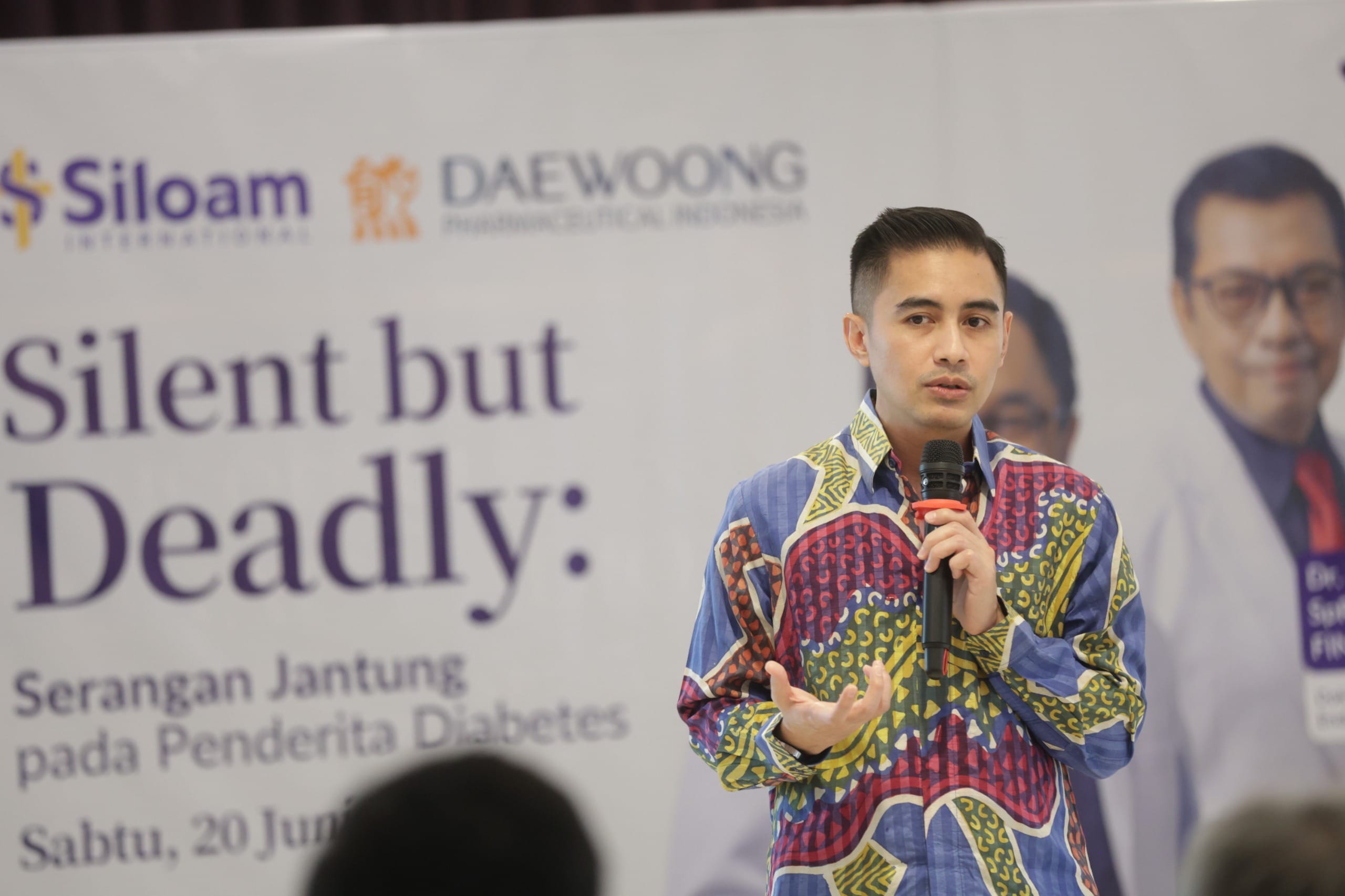
To raise awareness about these risks, Daewoong Pharmaceutical Indonesia partnered with Siloam Hospitals Surabaya to host a public health education session titled “Silent but Deadly: Heart Attacks in People with Diabetes.” The event encouraged patients and their families to focus not only on blood sugar management but also on cholesterol control and kidney health to prevent life-threatening complications.
The discussion comes as diabetes continues to pose a major public health challenge in East Java. According to provincial health data, an estimated 854,454 people aged 15 and older were living with diabetes in East Java in 2023. In Surabaya alone, more than 104,000 diabetes patients were recorded.
During the event, cardiologist Prof. Yudi Her Oktaviono explained that people with diabetes may experience heart attacks without the classic symptom of chest pain.
Long-term high blood sugar can damage nerves responsible for transmitting pain signals. As a result, blocked coronary arteries may not trigger obvious warning signs, making cardiovascular disease more difficult to detect.
“Diabetes patients can face significant cardiovascular risks without experiencing clear symptoms,” said Prof. Yudi. “That is why regular health screenings and proper risk-factor management remain essential, even when patients feel healthy.”
He added that diabetes accelerates atherosclerosis, a condition in which cholesterol and other substances build up inside artery walls. Low-density lipoprotein cholesterol (LDL-C), often referred to as “bad cholesterol,” can accumulate in damaged blood vessels and form plaques that narrow or block arteries.
This process significantly increases the risk of heart attacks and stroke.
To help patients understand the importance of cholesterol management, Prof. Yudi highlighted Daewoong’s cardiovascular awareness message: “The Sooner, The Lower, The Better.”
The principle emphasizes early intervention, achieving recommended LDL cholesterol targets, and maintaining long-term treatment adherence to reduce cardiovascular risk.
The second session was led by endocrinologist Dr. Soebagijo Adi Soelistijo, who discussed the often-overlooked link between diabetes and chronic kidney disease.
According to Dr. Soebagijo, persistently high blood sugar levels gradually damage the kidneys’ filtering system. Because early-stage kidney disease rarely causes symptoms, many patients only discover the condition after significant kidney function has already been lost.
“High blood sugar can slowly damage kidney tissue, much like a filter wearing out over time,” he explained. “Patients often do not feel any symptoms during the early stages, which is why kidney screening should be done proactively rather than waiting for warning signs.”
He highlighted three essential tests that diabetes patients need to monitor regularly: HbA1c, UACR, and eGFR. HbA1c is used to view average blood sugar control, UACR helps detect protein leakage in the urine at an early stage, and eGFR assesses the kidneys’ ability to filter blood.
Dr. Maria Magdalena Padmidewi, Director of Siloam Hospitals Surabaya, stressed that diabetes education should extend beyond blood glucose management.
“Diabetes education should not stop at lowering blood sugar levels,” she said. “Patients and families need to understand that diabetes can quietly affect the heart, kidneys, blood vessels, and overall quality of life.”
She noted that Siloam Hospitals Surabaya remains committed to supporting early diagnosis, patient education, and integrated care through multidisciplinary medical teams and comprehensive healthcare services.
Baik In-hyun, Head of Daewoong Pharmaceutical Indonesia Business Division, said the educational initiative reflects the company’s long-term commitment to improving public health.
“When patients understand the connection between diabetes and its silent complications early on, they can take preventive action before irreversible organ damage occurs,” he said.
Daewoong has been expanding its portfolio of treatments aimed at helping diabetes patients manage cardiovascular risk factors.
The company’s fixed-dose combination therapy of ezetimibe and rosuvastatin, launched last year, is designed to help patients achieve stricter LDL cholesterol control when recommended by healthcare professionals.
Meanwhile, enavogliflozin 0.3 mg, a type 2 diabetes treatment developed by Daewoong, received approval from Indonesia’s Food and Drug Monitoring Agency (BPOM) in late 2025 and is expected to launch during the first half of 2026.
Going forward, Daewoong plans to strengthen collaboration with healthcare institutions to improve public awareness of integrated diabetes management, focusing on blood sugar control, LDL cholesterol reduction, and kidney function monitoring while expanding access to advanced treatment options.