
Transportation Ministry Raises Maximum Fuel Surcharge on Airfares to 40 Percent
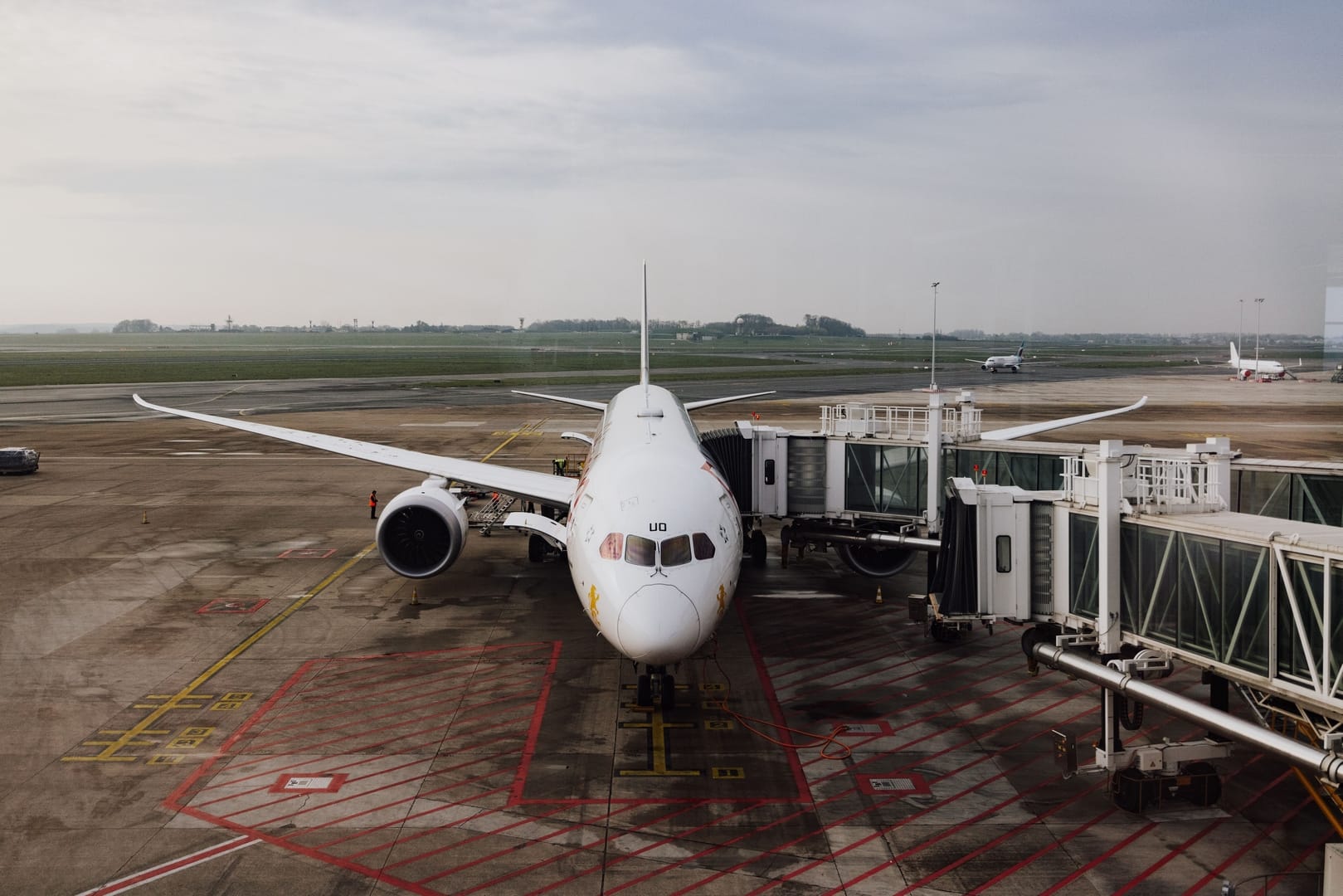
JAKARTA, Jakartaweekly.com — Indonesia’s Transportation Ministry has once again adjusted the maximum fuel surcharge (FS) that scheduled domestic airlines may impose on economy-class passenger fares. The maximum surcharge has been raised to 40 percent of the applicable fare ceiling, up from the previous 30 percent.
The adjustment was made by the ministry’s Directorate General of Civil Aviation following an evaluation of jet fuel, or aviation turbine fuel (avtur), prices.
Director General of Civil Aviation Lukman F. Laisa said the government periodically reviews its fuel surcharge policy by taking into account the national average price of aviation fuel and the price range stipulated in regulations.
According to aviation fuel prices published by fuel suppliers effective September 1, 2026, the national average price of aviation fuel stood at Rp23,315 per liter, representing an increase of around 6.5 percent from the previous period.
“The adjustment to the maximum fuel surcharge is part of the government’s review of airfares,” Lukman said in Jakarta recently.
He said the policy takes into account fuel price conditions, the operational sustainability of airlines, and the interests of the public as air transport users.
Although the maximum fuel surcharge has been raised to 40 percent of the applicable fare ceiling, airlines are not required to impose the surcharge at that level. Air carriers may set the surcharge below the maximum limit based on their business strategies and market conditions.
The Transportation Ministry will also continue to monitor airfares, including the fuel surcharge component, to ensure that airlines apply the charges transparently, accountably, and in accordance with applicable laws and regulations.
The monitoring covers airline fares, developments in aviation fuel prices, and airlines’ compliance with the requirement to list the fuel surcharge as a separate component on passenger tickets.
The ministry said it would continue to monitor and oversee fares charged by all scheduled airlines to ensure that airfares remain competitive while taking into account market conditions and consumers’ purchasing power.
The government will also continue to monitor developments in aviation fuel prices and review its airfares policy. The measures are intended to maintain national connectivity, support the sustainability of the aviation industry, and serve the interests of the public as air transport users.
Discover more