Electric Vehicles at Kideco Mine Cut Energy Costs by Up to 80 Percent
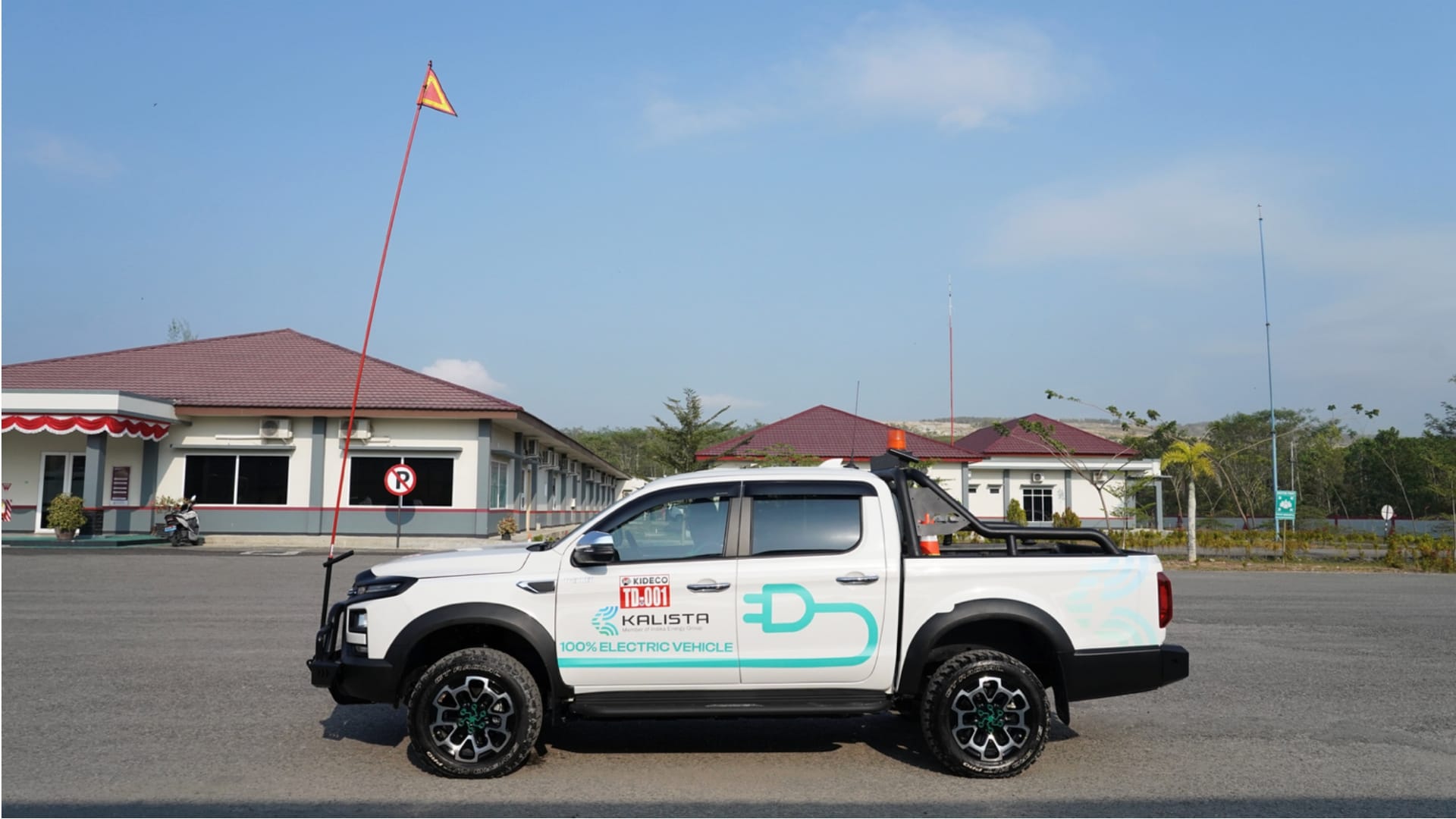
JAKARTA, Jakartaweekly.com— Trials of electric light vehicles at the mining operations of PT Kideco Jaya Agung (Kideco) in Paser, East Kalimantan, recorded energy cost savings of up to 80 percent compared with vehicles powered by fossil fuels.
The trial, conducted by Kideco in partnership with KALISTA, an end-to-end commercial electric vehicle ecosystem provider, ran from August 13 to September 20, 2026. The testing involved two types of electric vehicles—a double-cabin pickup and an MPV—under actual mining operating conditions.
Based on trial data collected from August 13 to September 14, 2026, the double-cabin vehicle covered 1,526 kilometers with an energy efficiency of 3.12 kilometers per kWh. The unit recorded energy cost savings of 76 percent and an estimated 65 percent reduction in emissions compared with a fossil-fuel-powered vehicle.
Meanwhile, the MPV covered 2,097 kilometers with an energy efficiency of 5.02 kilometers per kWh. The vehicle recorded energy cost savings of 80 percent, with an estimated 65 percent reduction in emissions compared with a conventional MPV.
Kideco and KALISTA conducted the trial to evaluate the operational performance and technical feasibility of electric vehicles under actual mining conditions.
Kideco President Director Kurnia Ariawan said the trial was a continuation of the company’s implementation of electric vehicles in its mining operations. According to him, light vehicles are among the fleets being considered for electrification, with around 1,200 units operating within Kideco’s mining operations.
“Building on the successful implementation of electric trucks in our mining operations, we are once again exploring the potential for electrification across other vehicle fleets,” Kurnia said recently.
He said Kideco and KALISTA tested two electric light vehicles directly under actual mining operating conditions to evaluate their performance.
During the trial, the vehicles were evaluated based on several parameters, including driving range, energy consumption, charging time, utilization rate, vehicle reliability, as well as their ability to operate under various mining conditions and terrain characteristics.
One of the success indicators set for the trial was the vehicles’ ability to travel up to 150 kilometers on a single charge, with a target utilization rate of at least 80 percent.
KALISTA President Director Albert Aulia Ilyas said the trial was part of the company’s efforts to explore the use of electric vehicles for mining operations, including employee transportation.
“KALISTA is once again opening a new chapter in the electrification of commercial vehicles. Following the successful implementation of electric trucks in the logistics and urban sectors, we are now addressing the electrification challenge in the mining sector,” Albert said.
KALISTA has developed a Fleet-as-a-Service (FaaS) approach covering vehicle provision, operating expenditure (OPEX)-based financing schemes, charging infrastructure installation, charging pattern planning, fleet monitoring, as well as maintenance and after-sales services.
The solution is being developed for various sectors, including urban transportation, logistics, mining and plantations.
Discover more