Indonesia’s Falling Unemployment Rate Masks Deep Labor Market Challenges
JAKARTA, Jakartaweekly.com — Despite Indonesia’s Open Unemployment Rate (TPT) declining to 4.68 percent in February 2026, Statistics Indonesia (BPS) reported that serious structural challenges continue to weigh on the country’s labor sector.
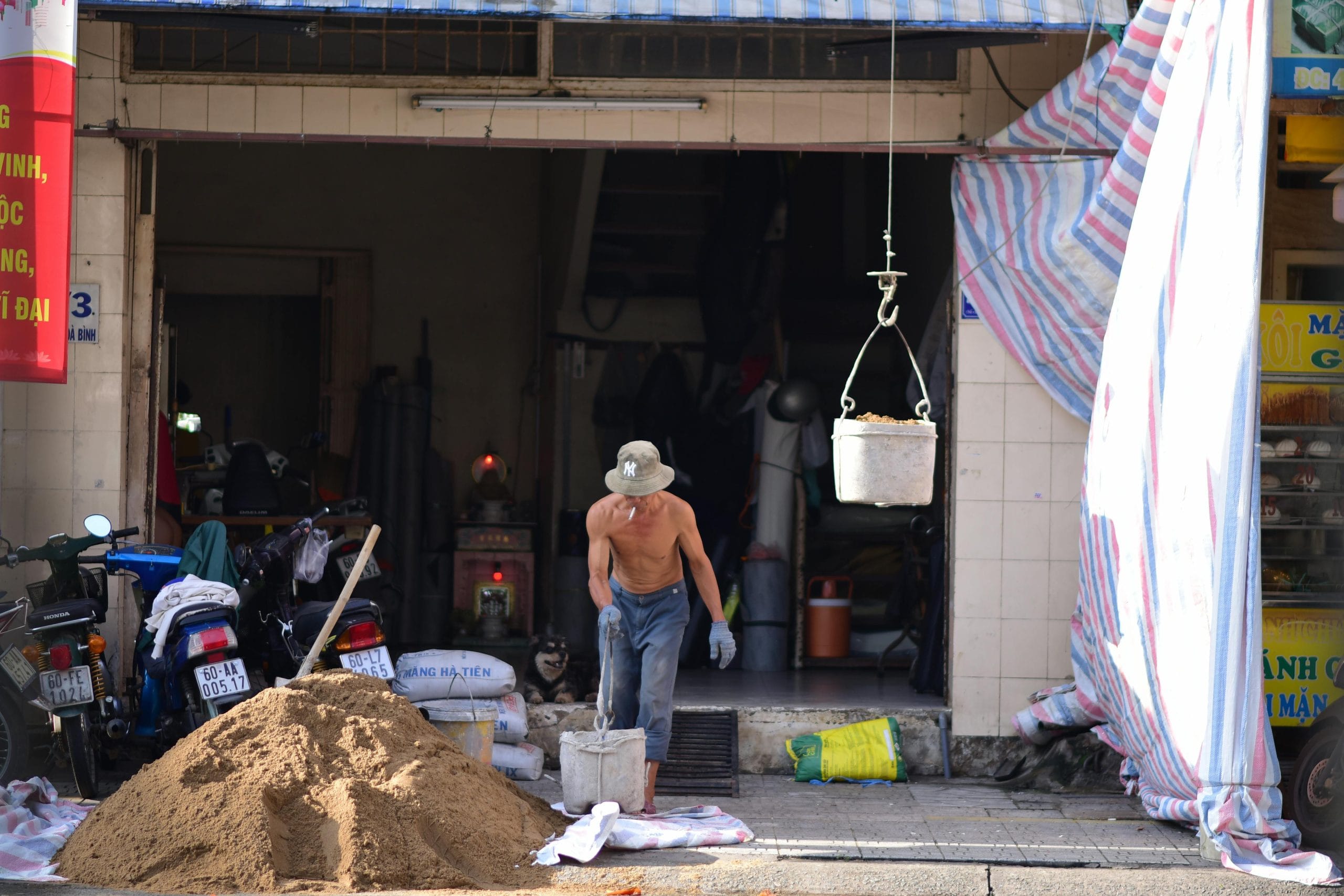
According to BPS data, the majority of Indonesian workers still depend on the informal sector, which accounts for 59.42 percent of the national workforce, or approximately 87.74 million people. Meanwhile, the proportion of formal workers slightly declined to 40.58 percent.
In addition, the Labor Force Participation Rate (TPAK) edged down to 70.56 percent compared to the previous year, indicating that workforce participation among the working-age population remains relatively stagnant.
BPS also recorded an increase in part-time workers to 25.97 percent, suggesting that many workers still lack access to full-time or stable employment.
The most pressing issue remains youth unemployment. The unemployment rate among people aged 15–24 reached 16.36 percent, significantly higher than the national average of 4.68 percent.
Unemployment among higher education graduates also remained elevated. The TPT for Diploma IV, undergraduate, master’s, and doctoral degree holders stood at 6.13 percent.
From a welfare perspective, the gender wage gap remains substantial. The average monthly wage for female workers was only Rp2.80 million, considerably lower than male workers’ average of Rp3.55 million.
Another major challenge is the low educational profile of the workforce. Around 35.49 percent of Indonesian workers have only completed elementary school or lower levels of education.
(Read Jakartaweekly.com news on Google News)
Discover more