Oil Prices Surge Amid Middle East Conflict; Analysts Warn of $100 Threat and Pressure on Rupiah

Jakartaweekly.com — Global oil prices surged sharply following escalating military strikes by the United States and Israel on Iran, triggering fears of supply disruptions in the Middle East and pushing Brent crude up around 10% in early trading.
The spike comes after tensions intensified between Washington and Tehran, raising concerns over potential disruptions in the Strait of Hormuz — a key global oil shipping route. Market analysts warn that if the conflict escalates further, oil prices could climb beyond $100 per barrel, significantly increasing global inflationary pressures.
The strikes reportedly followed U.S. President Donald Trump expressing dissatisfaction over negotiations between U.S. and Iranian delegations concerning nuclear reactor development and missile programs.
Impact on Indonesia
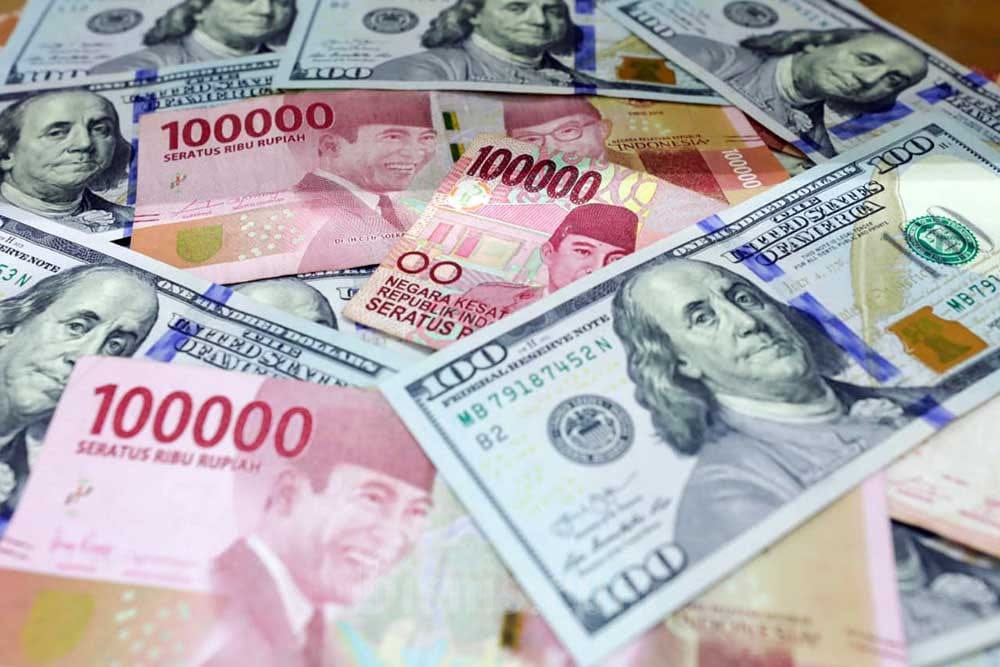
Indonesian currency and commodity analyst Ibrahim Assuaibi warned that the geopolitical escalation could weigh heavily on the rupiah.
“Most likely the impact will be a weakening rupiah,” Ibrahim on Sunday.
A sustained rise in global oil prices could put pressure on Indonesia’s trade balance, widen the current account deficit, and increase imported inflation — particularly on fuel and energy-related goods. A weaker rupiah may also prompt Bank Indonesia to intervene in currency markets or adjust monetary policy to stabilize volatility.
Indonesia, as a net oil importer, remains vulnerable to global energy price shocks. Higher crude prices could strain the state budget through increased energy subsidies while also affecting domestic fuel prices and transportation costs.
With global markets closely monitoring developments in the Middle East, Indonesian financial markets are expected to remain sensitive to geopolitical headlines in the coming days.
Discover more