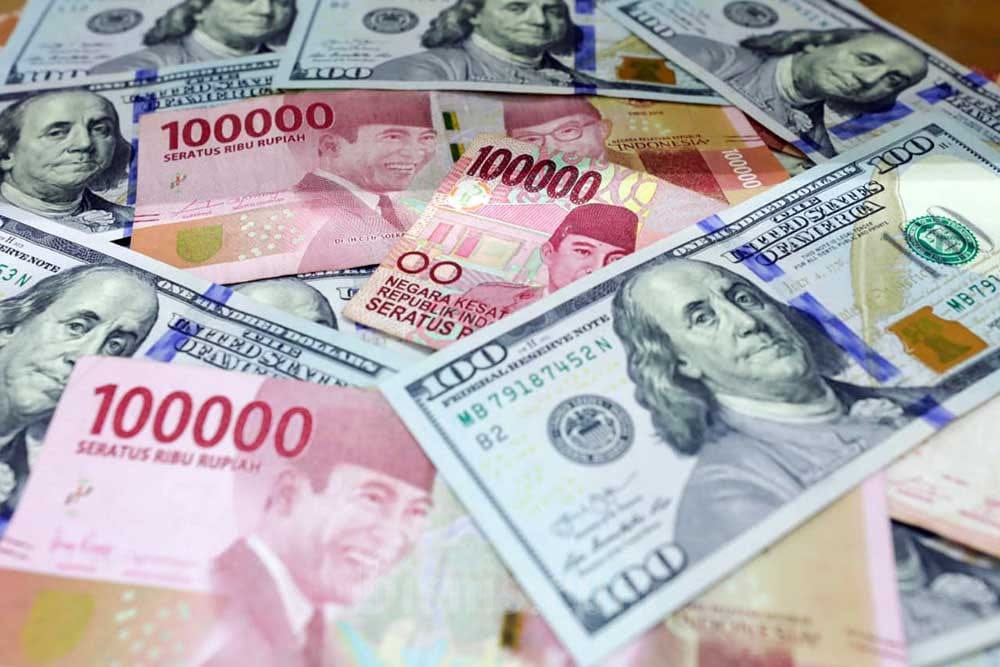
February 2026 Inflation Hits 0.68% as Food Prices Surge Ahead of Ramadan
Jakartaweekly.com – Statistics Indonesia (BPS) reported that the national Consumer Price Index (CPI) rose to 0.68% month-to-month (mtm) in February 2026, marking a significant shift from the deflationary trend seen in January. This spike pushed the annual inflation rate (yoy) to 4.76%, a figure partially influenced by the “low-base effect” following the expiration of electricity tariff discounts that were in place during early 2025.
Ateng Hartono, Deputy for Distribution and Service Statistics at BPS, explained that the primary driver of this increase was the Food, Beverage, and Tobacco group, which recorded an inflation rate of 1.54%. This group alone contributed 0.45% to the total monthly figure, largely due to the seasonal “Ramadan effect.”
The surge was led by price hikes in essential commodities, where broiler chicken and bird’s eye chili served as the most dominant contributors to the group’s inflation. Other significant pressures came from rising prices for fresh fish, red chili, and tomatoes, as well as staples like rice and eggs, which saw increased demand as the holy month approached.
Beyond the food sector, core inflation was noticeably influenced by a rise in gold jewelry prices, which contributed 0.19% to the overall index. Additionally, the transportation sector felt the impact of rising airfare rates, adding 0.02% to the monthly inflation.
Geographically, the inflationary pressure was widespread, with 33 provinces reporting price increases. South Sulawesi recorded the highest inflation at 1.04%, while West Papua stood out with the deepest deflation at 0.65%.
Despite the sharp monthly jump, BPS noted that the February 2026 inflation rate remains historically lower than the levels seen during the Ramadan periods of 2022 and 2025. Nevertheless, officials remain vigilant as volatile food components continue to be the main catalyst for price fluctuations throughout the festive season.
Discover more