Why 5 Foreign Manufacturers Stopped Production in Indonesia
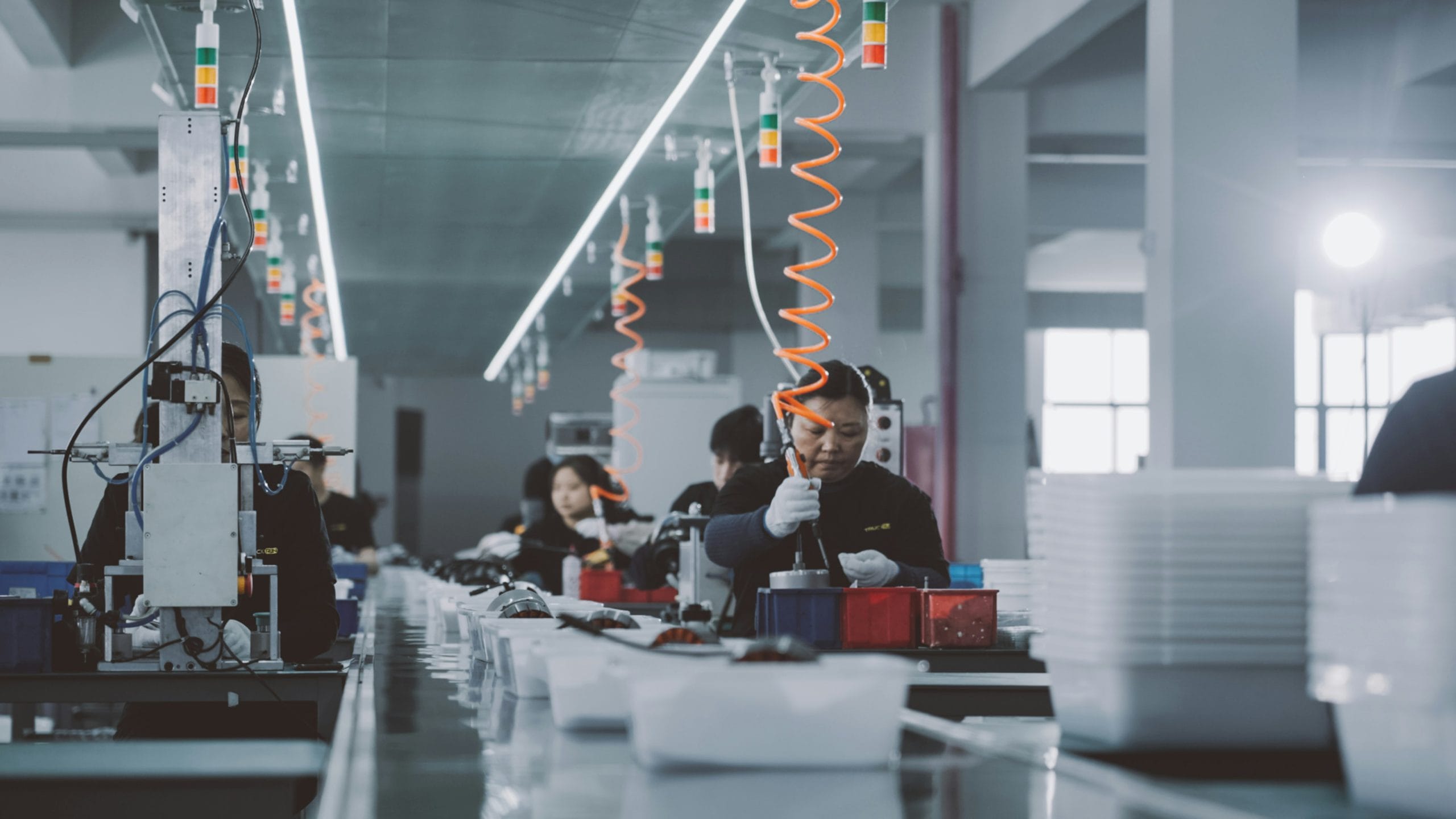
JAKARTA, Jakartaweekly.com — At least five foreign manufacturers companies have decided to stopped production in Indonesia. The reasons behind their departures vary, ranging from global business restructuring to financial distress that ultimately resulted in bankruptcy.
Jakarta Weekly notes that most of these factory closures took place in 2025. The shutdowns affected thousands of workers, leading to widespread layoffs across several industries.
Which foreign manufacturing companies have shut down their factories in Indonesia, and what were the reasons behind their decisions? Here’s a closer look.
General Motors Indonesia (Chevrolet)
General Motors Indonesia stopped production in Indonesia on June 30, 2015. Following the closure of its manufacturing plant, the company continued operating as an importer and distributor until 2020. In April 2020, General Motors officially ended sales of new Chevrolet vehicles in Indonesia, while continuing to provide after-sales services, warranty coverage, and spare parts for existing customers.
The closure of General Motors’s manufacturing plant in Bekasi resulted in approximately 500 employes of losing their jobs. At the time, the factory produced the Chevrolet Spin, a compact multi-purpose vehicle (MPV), designed for the Indonesian market as well as several ASEAN countries.
General Motors stated that the factory closure was driven by high material costs and limited opportunities to leverage Indonesia’s local supply base due to the plant’s relatively small production scale.
The company later decide to discontinue new vehicle sales in Indonesia because sales volume remained too low to justify further investment. Company also cited unfavorable exchange rate conditions, which negatively affected the business.
Indonesia was not the only market affected. General Motors also discontinued vehicle sales in Malaysia, Thailand, Australia and New Zealand as part of its broader regional restructuring strategy.
Sanken Indonesia
Japan-base Sanken Indonesia officially ceased all manufacturing operations in June 2025. The closure followed a decision by its parents company, Sanken Electric Co., Ltd., to relocate production back to Japan.
The company manufactured Switch Mode Power Supplies (SMPS), transformers, Uninterruptible Power Supply (UPS) systems, and industrial power supplies. Around 40% of its production was exported to overseas markets.
According to various reports, domestic demand had continue to decline during the two years leading up to the closure, while factory utilization dropped to only around 14% in 2024. As s result of shutdown, approximately 450 employees were laid off.
Yamaha Music Indonesia
Yamaha officially ended its piano manufacturing operations in Indonesia by the end of December 2025. The production shutdown was carried out in stages. PT Yamaha Products Asia (YMPA) in Bekasi ceased operations at the end of MArch 2025, while PT Yamaha Indonesia in Pulo Gadung ended production at the end of December 2025.
Yamaha Corporation decided to consolidate its piano manufacturing operations in Japan and China. In its official announcement, the company said the decisions was driven by a significant decline in demand in China, its largest piano market, while, demand in other regions remained weak following the Covid-19 pandemic.
“Considering this situation, in order to reorganize the production system to align with the scale of its business, Yamaha Corporation has decided to terminate production at Yamaha Indonesia and Yamaha Music Products Asia, which serve as the company’s piano production bases in Indonesia, and initiate the liquidation process for both companies,” said management.
PT Yamaha Indonesia had been producing entry-level finished pianos for the global market, while YMPA specialized in manufacturing wooden piano components. Yamaha Indonesia established its manufacturing operations in Indonesia in 1974, while YMPA was established in 2017.
Following the closure, Yamaha transferred and consolidated production to Japan and China. The Japanese facilities now focus on higher value-added products, including some models previously manufactured in Indonesia. Meanwhile, the company’s factories in China continue producing pianos for both the domestic Chinese market and global exports.
According to Yamaha, the piano business had been facing mounting profitability challenges as demand declined faster than the company could reduce fixed costs. Since 2024, Yamaha has implemented structural reforms to optimize production capacity in line with future market demand.
Various reports estimate that approximately 1,200 employees lost their jobs following the closure of Yamaha’s two Indonesian factories.
Tokai Kagu Indonesia
Japanese furniture manufacturer Tokai Kagu Indonesia officially ceased operations on March 20, 2025, ending nearly three decades of manufacturing activities in Indonesia.
According to the Bekasi Regency Manpower Office, the factory closure affected around 180 employees.
The company did not issue an official public statement explaining its decision to shut down after operating in Indonesia since 1996. However, the Bekasi Manpower Office stated that weakening global market conditions had reduced production demand, making it increasingly difficult for the company to sustain its business operations.
Danbi International
South Korean false eyelash and beauty products manufacturer Danbi International became another foreign manufacturing company to cease operations in Indonesia in 2025. The company, affiliated with South Korea’s Seowoo International Corp., abruptly stopped operations on February 18, 2025.
Prior to the shutdown, the Jakarta Commercial Court declared Danbi International bankrupt, placing all of the company’s assets under the supervision of court-appointed receivers. The bankruptcy followed a suspension of debt payment obligations (PKPU) petition filed by PT Anugerah Jaya Maju Abadi Indobox after Danbi failed to repay debts amounting to Rp2.02 billion (approximately US$125,000).
Following the sudden closure, more than 2,000 employees officially received termination notices on February 28, 2025.
chevrolet indonesiaDanbi Internationalforeign manufacturers in Indonesiageneral motors indonesiaIndonesialaid offSanken IndonesiaTokai Kagu IndonesiaYamaha Music Indonesia
Discover more