IESR Urges Consistent Low-Carbon Policies to Support Long-Term Energy Resilience
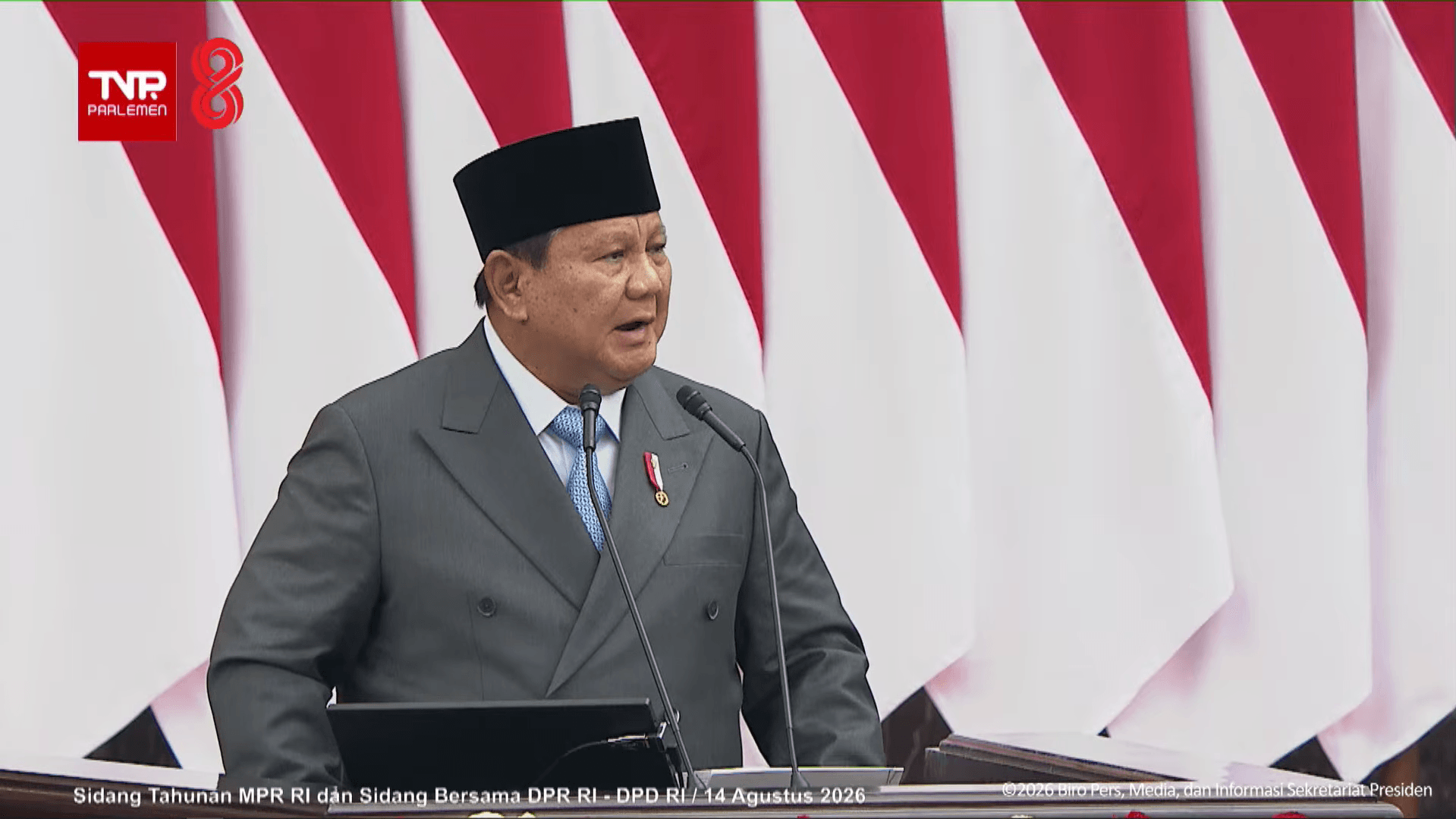
JAKARTA, Jakartaweekly.com—The Institute for Essential Services Reform (IESR) said the development momentum outlined by President Prabowo Subianto in his state-of-the-nation address at the House of Representatives (DPR) on Friday, August 14, 2026, needs to be followed by consistent policy direction toward a low-carbon economy and long-term energy resilience.
IESR CEO Fabby Tumiwa said economic growth, industrial strengthening, food security, education, and healthcare would be more robust if supported by reliable and affordable clean energy, sustainable natural resource governance, and protection for vulnerable communities and ecosystems.
“Therefore, future development priorities need to place the energy transition as a key foundation, rather than as a complement,” he said.
He said making the energy transition a key foundation is essential to ensure that the economic benefits generated today genuinely improve people’s welfare without passing fiscal burdens, emissions, and environmental degradation on to future generations.
In response to the president’s address, IESR outlined at least eight points concerning several sectors mentioned in the speech. One of them relates to stunting, school improvements, the digitalization of learning, and the strengthening of public services in the country’s underdeveloped, frontier, and outermost regions, known as the 3T areas.
Fabby said the success of the human development agenda also depends on the availability of reliable and affordable energy. Under the Energy Delivery Model (EDM) developed by IESR and CAFOD, energy is a fundamental enabler of essential services and an inseparable part of people’s lives.
He said household incomes could increase through the use of modern processing equipment, which could also contribute to providing adequate nutrition for children. Schools require a stable electricity supply to support digital and creative learning, while improving teachers’ capabilities requires sustainable access to the internet and educational technology.
“Therefore, investment in education, healthcare, and nutrition needs to go hand in hand with the development of clean energy infrastructure, particularly in 3T areas and remote islands,” he said.
He warned that without a reliable electricity supply, efforts to equalize the quality of education could fall short. IESR therefore believes that integrating renewable energy-based services with education and healthcare programs could improve the effectiveness of public spending while strengthening communities’ human, social, and economic resilience.
Another issue highlighted by IESR was the government’s claim that it is prepared to face a super-strong El Niño this year.
Fabby said the statement needs to be accompanied by concrete plans and actions backed by measurable and transparent indicators. The Meteorology, Climatology, and Geophysical Agency (BMKG)’s warning of a drier and longer dry season requires concrete preparedness at the local level, ranging from water, food, and energy security to forest and land fire prevention.
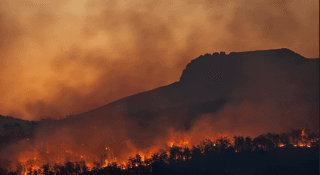
He said the surge in fires this year showed that prevention capacity and land governance remained major challenges, meaning the government’s focus should not be limited to emergency response.
The government, he added, needs to immediately strengthen anticipatory measures by ensuring the availability of raw water and irrigation, protecting vulnerable groups, strengthening early warning systems, and improving the monitoring and restoration of ecosystems prone to fires.
“IESR urges the central and local governments to regularly disclose preparedness data and involve communities, academics, and civil society organizations in monitoring and evaluation,” he said.
He stressed that resilience against El Niño must be built before a crisis occurs, rather than tested only after its impacts have spread.
Discover more