SEL Southeast Asia Strengthens ESG Education Across the Region
JAKARTA — Jakartaweekly.com Sustainability cannot be strengthened through commitments and claims alone. As environmental, social and governance (ESG) considerations increasingly influence business, investment, finance and corporate decision-making, professionals need the ability to distinguish credible sustainability practices from greenwashing.
This is the focus of SEL Southeast Asia, an education and professional development institution focused on ESG education and training. Through learning programs, professional training, knowledge sharing and cross-border collaboration, the organization aims to strengthen the capabilities of professionals and businesses navigating the rapidly evolving sustainability landscape.
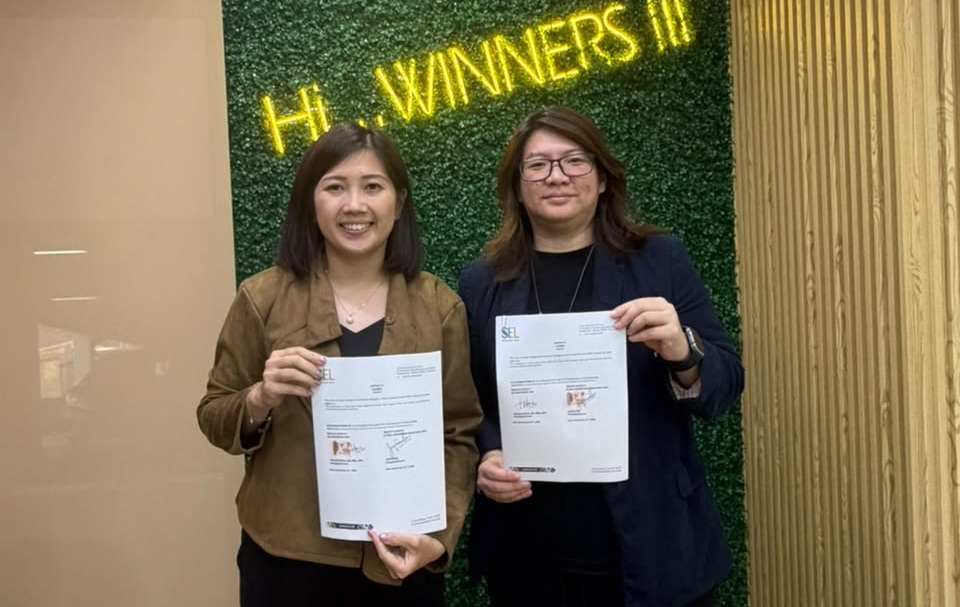
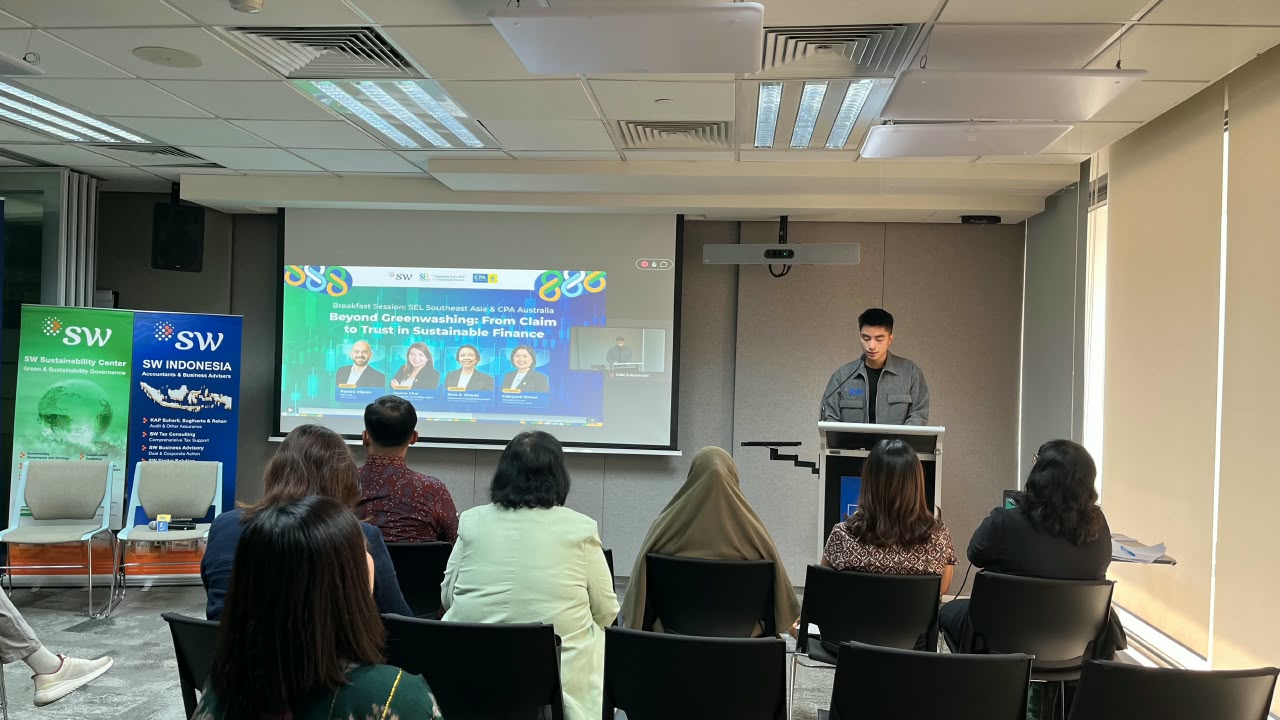
As part of this effort, SEL Southeast Asia organized the breakfast session “Beyond Greenwashing: From Claim to Trust in Sustainable Finance” in collaboration with CPA Australia, a Malaysian training institution, and SW Indonesia.
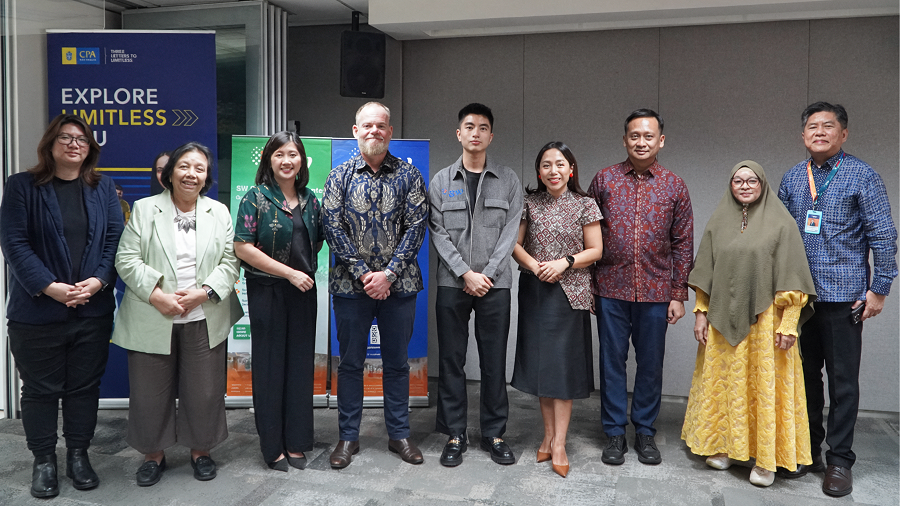
Held in a hybrid format at CPA Australia, World Trade Centre 5 in Jakarta, the session brought together sustainability practitioners and professionals from Australia, Malaysia and Indonesia to discuss how sustainability commitments can move beyond claims toward measurable action, credible information, transparent disclosure and accountability.
The session featured Patrick Viljoen, ESG Lead at CPA Australia, representing Australia; Joyline Chai, a Sustainability Technology Expert from Malaysia; and Elvia R. Shauki, an Independent Sustainability Expert from Indonesia. The discussion was moderated by Febryanti Simon, Managing Director of SEL Southeast Asia.
The speakers shared perspectives on sustainability, greenwashing, sustainable finance, technology and the growing importance of reliable sustainability information. The cross-border exchange highlighted how sustainability challenges increasingly connect markets and require professionals to learn not only from developments in their own countries but also from experiences across jurisdictions.
Education as the Foundation of Credible Sustainability
For SEL Southeast Asia, addressing greenwashing begins with education.
Organizations may increasingly communicate environmental and social commitments, but credibility depends on whether those commitments are supported by sound governance, measurable implementation, reliable data, transparent reporting and accountability.
Professionals therefore need more than familiarity with sustainability terminology. They need the knowledge and capabilities to critically assess sustainability information and translate ESG principles into organizational practice.
SEL Southeast Asia positions education and professional training as an important part of this process. Its focus is not simply on transferring knowledge, but on developing professionals who can ask critical questions, evaluate evidence, understand emerging standards and support responsible decision-making.
Collaboration with professional bodies, training institutions, accounting firms, consulting organizations, academics and sustainability practitioners is also part of this approach. By bringing together different perspectives, SEL Southeast Asia aims to create a learning environment where sustainability knowledge can move across professions, organizations and national borders.
Febryanti Simon: ESG Education Must Build Capability
Febryanti Simon, Managing Director of SEL Southeast Asia, emphasized that sustainability education should ultimately build professional capability rather than stop at conceptual awareness.
“Sustainability education should not end with people knowing more ESG terminology. The real measure of education is whether professionals become more capable of asking critical questions, understanding evidence, recognizing the risk of greenwashing, and translating sustainability principles into responsible decisions within their organizations.”
According to Febryanti, this becomes particularly important as sustainability expectations develop at different speeds across Southeast Asian economies.
Education therefore needs to remain internationally informed while also reflecting the economic, institutional and professional context of each market.
“Southeast Asia is diverse. Every country has its own stage of economic development, regulatory environment, industries, and sustainability priorities. Our role at SEL Southeast Asia is to create a learning platform where international knowledge can meet local realities. That is why collaboration across Indonesia, Malaysia, Australia, and other markets is important to us.”
She added that SEL Southeast Asia sees opportunities to contribute beyond Indonesia by expanding ESG education and professional training across the region, including emerging markets such as Timor-Leste.
“Our aspiration is to make credible ESG knowledge increasingly accessible across Southeast Asia, including markets that are still developing their sustainability ecosystem. We want SEL Southeast Asia to become a bridge—connecting knowledge, practitioners, institutions, and countries—so that sustainability capability can grow together across the region.”
From Indonesia to Southeast Asia
SEL Southeast Asia is strengthening its regional presence as ESG capabilities become increasingly relevant across Southeast Asia.
Building from Indonesia, the organization aims to expand its education, training and professional development activities across Southeast Asian markets, including Timor-Leste, while developing collaborations with institutions and practitioners throughout the region.
The regional approach reflects the increasingly cross-border nature of sustainability issues. Climate risks, sustainable finance, responsible investment, supply-chain accountability, technology and sustainability reporting increasingly connect businesses and professionals across jurisdictions.
For SEL Southeast Asia, this creates an opportunity to contribute to a regional learning ecosystem where knowledge developed in one market can become a source of learning for another.
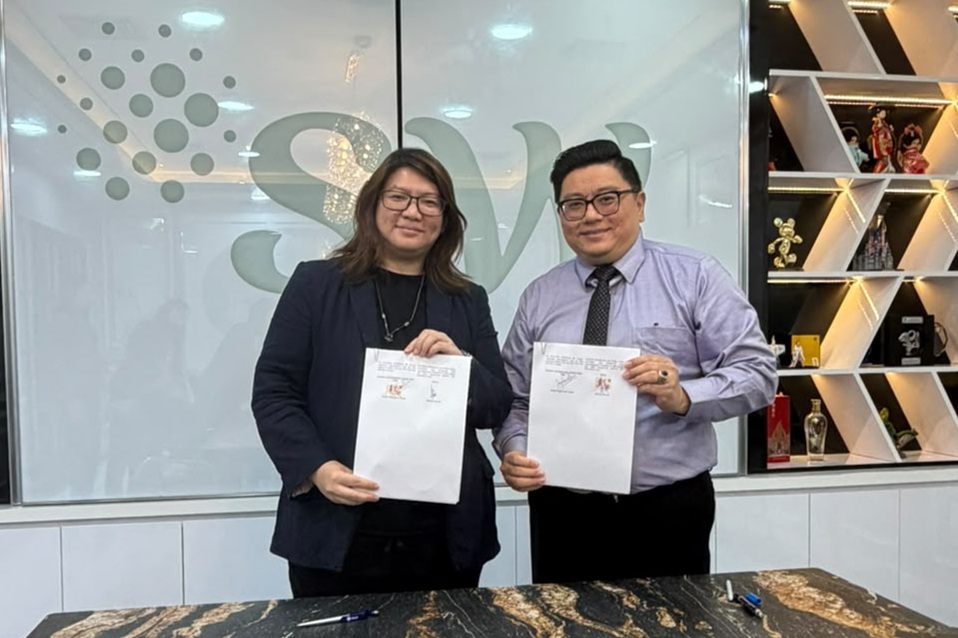
The collaboration involving CPA Australia, the Malaysian training institution and SW Indonesia reflects this approach by connecting professional expertise, education and business perspectives to strengthen sustainability capabilities.
Michell Suharli: Trust Is Becoming a Business Asset
From a business and professional-services perspective, Michell Suharli, CEO of SW Indonesia, said sustainability should increasingly be understood in the context of trust, accountability and long-term business value.
“Businesses today operate in an environment where stakeholders can examine claims more critically than ever before. Sustainability therefore cannot be treated merely as communication. When a company makes a sustainability claim, there must be governance behind it, data that can support it, and accountability for what has been communicated. Ultimately, sustainability is closely connected with trust.”
Michell said this development also creates greater responsibilities for accountants, auditors, consultants and other professional advisers.
As sustainability information becomes increasingly relevant to business and investment decisions, professionals need to connect financial knowledge with environmental, social, governance, technology and risk considerations.
“The profession is moving into a period where financial information and sustainability information will increasingly intersect. This requires professionals who are technically strong, but also capable of exercising professional judgment, understanding business realities, using technology responsibly, and maintaining integrity. Education and continuous professional development therefore become increasingly strategic.”
He also emphasized the role of collaboration between educational institutions, professional bodies, accounting and consulting firms, businesses and sustainability practitioners in developing these capabilities across Southeast Asia.
“No single institution can build the sustainability ecosystem alone. Regional collaboration enables us to share knowledge, compare practices, and learn from different stages of development across countries. SW Indonesia is pleased to support SEL Southeast Asia in creating these connections. We believe Southeast Asia can develop not only as a growing economic region, but also as a region where responsible business, professional excellence, and sustainability strengthen one another.”
From Claims to Trust
The transition from sustainability claims to trust requires more than regulation or reporting. It also requires professionals who understand sustainability, institutions that continuously develop their capabilities, businesses prepared to be accountable, and professional communities willing to learn from one another.
Through ESG education, professional training, regional collaboration and knowledge sharing, SEL Southeast Asia aims to contribute to the development of professionals and organizations equipped to turn sustainability from an aspiration into accountable practice—and ultimately build greater trust in the process.
Discover more