Amartha Study Shows Financing Key to MSME Growth in Indonesia
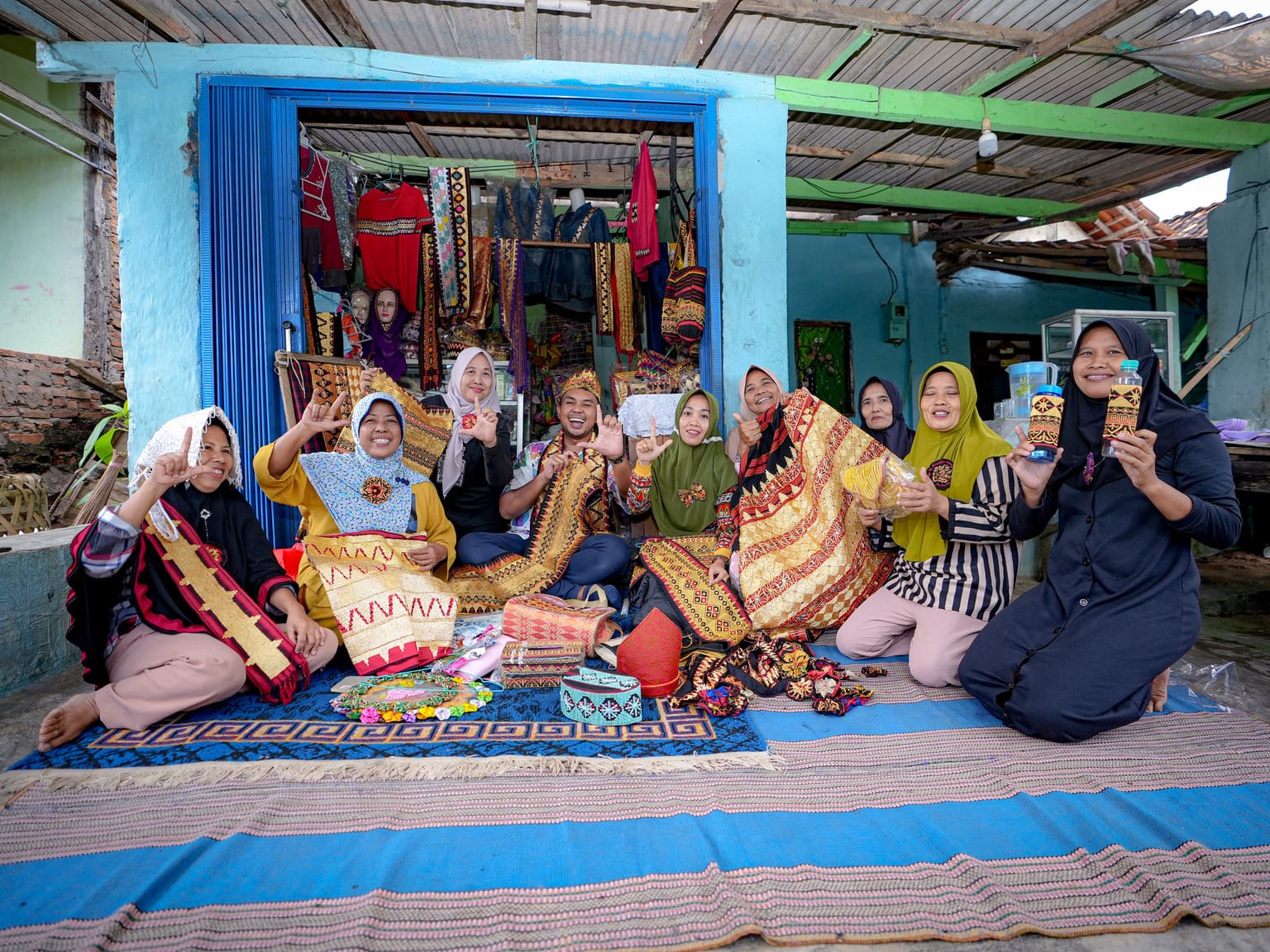
JAKARTA, Jakartaweekly.com – A recent study by Amartha has found that access to financing is a key factor enabling micro, small, and medium enterprises (MSMEs) to grow, underscoring the increasing importance of inclusive funding for small businesses.
Andi Taufan Garuda Putra, Founder and CEO of Amartha, said the company’s 2025 Sustainability Report showed that 89% of its assisted MSMEs recorded higher income, with average growth reaching 63% after gaining access to financing.
“Cumulatively, the impact has been felt by around 2,3 million of Amartha’s 3,9 million MSME partners across more than 50.000 villages. This confirms that inclusive financing not only opens access to capital, but also serves as a catalyst for business growth and improved welfare,” he said in a statement on Tuesday, April 21, 2026.
Read also: TMMIN Calls for Stronger Collaboration to Bolster Auto Industry Competitiveness
He added that the financing gap remains a major challenge for the national economy. Data shows that MSME credit demand in Indonesia is projected to reach Rp4.300 trillion (US$265 billion) in 2026.
However, only around Rp1.900 trillion rupiah has been met, leaving a financing gap of about Rp2.400 trillion rupiah.
Nailul Huda, Director of Digital Economy at the Center of Economic and Law Studies (CELIOS), said strengthening access to financing is a key driver of economic mobility.
“There is still a financing gap, indicating that many businesses remain unconnected to the formal financial system. When access is expanded, the impact goes beyond higher income to strengthening households’ resilience against economic pressures,” he said.
He added that data shows the rise of financial technology, including online lending, has boosted financial inclusion both overall and among the poorest 40% of the population.
Read also: PTP Pangkal Balam Logs 391.624 Tonnes Cargo in Q1, Liquid Bulk at 35.18%
Countries that have adopted financial technology record financial inclusion levels 41.5% higher than those that have not, he said, adding that online lending has broadened access to financial services and supported government programs to expand inclusion.
“At the same time, the rural financial ecosystem is also being strengthened, as online lending has encouraged the emergence of financial service agents in villages,” Huda said.
Beyond the figures, he noted that rising incomes have translated into tangible improvements in the daily lives of MSME operators. Many who previously ran businesses to meet basic needs are now able to expand operations and improve household welfare.
Mama Redha, a fisher in Sumba and an Amartha partner, said access to financing had transformed the way she runs her business.
“Fishing income is uncertain as it depends on weather and lunar cycles. I realized I needed an additional source of income to support my family. Thanks to collateral-free capital from Amartha, I now run a small grocery shop, which has become our main source of income,” she said.
(Read Jakartaweekly.com news on Google News)
Discover more