BEI and SW Indonesia Hold IPO Readiness Seminar on Governance and Investor Relations
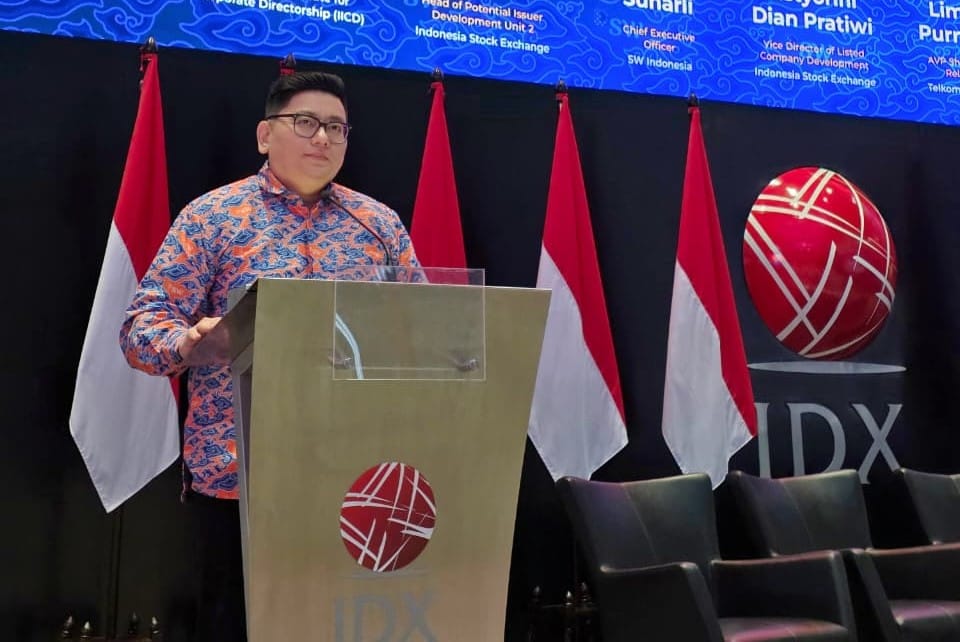
JAKARTA, Jakartaweekly.com — As market volatility and global uncertainty continue to shape investment decisions, Indonesian businesses are being urged to look beyond market timing and focus on building stronger, more sustainable companies before pursuing an initial public offering (IPO).
That message took center stage at the seminar “IPO Readiness: Strengthen Investor Relations and Corporate Governance”, jointly organized by the Indonesia Stock Exchange (IDX) and SW Indonesia at the IDX Main Hall in Jakarta on Wednesday (10 June 2026).
The event brought together capital market practitioners, business leaders and prospective issuers to discuss a question that is becoming increasingly relevant in today’s environment: Is an IPO merely a financing event, or is it part of a broader corporate transformation?
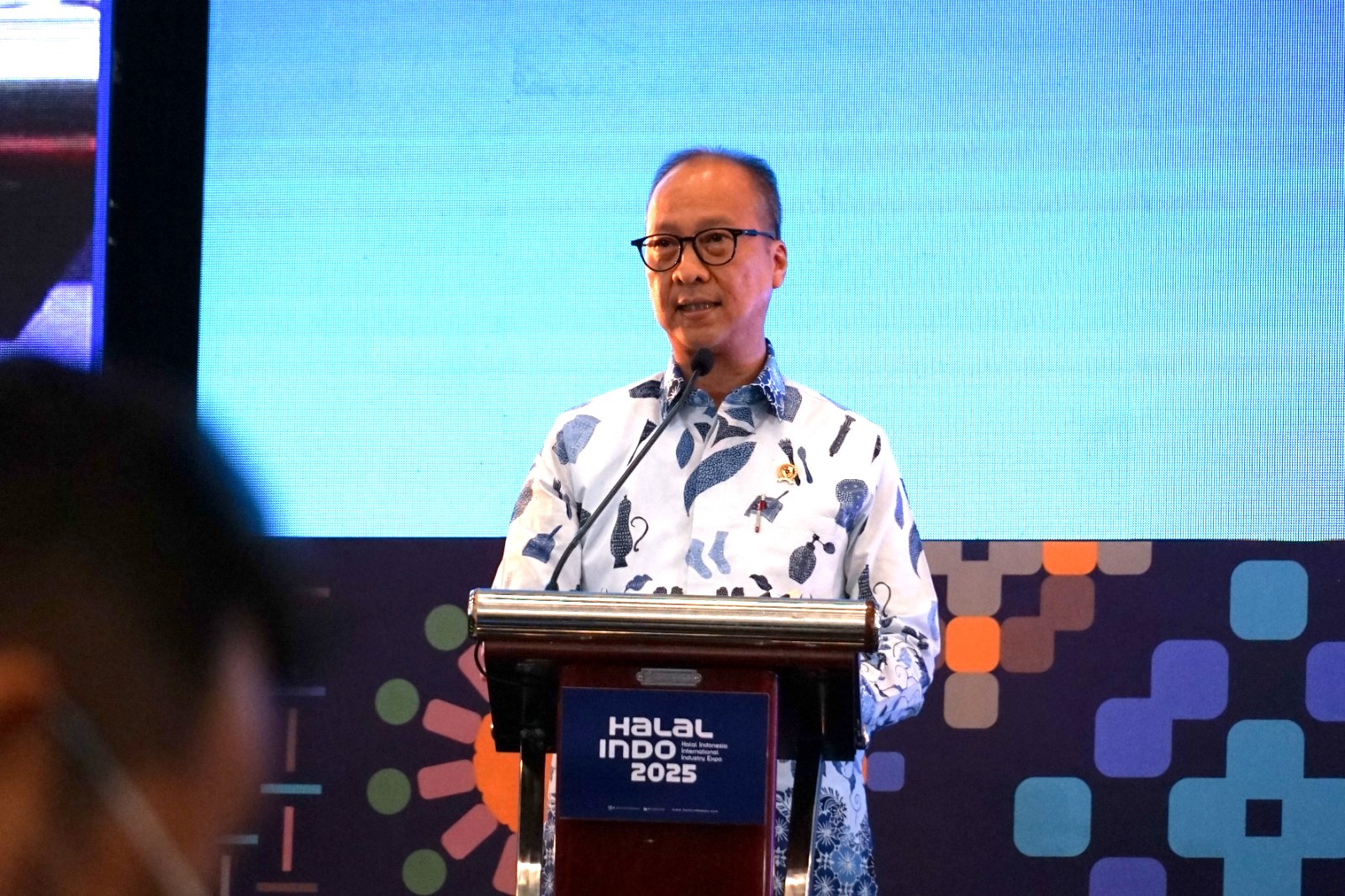
Speaking at the seminar, Listyorini Dian Pratiwi, Vice Director of Listed Companies Development at the Indonesia Stock Exchange, acknowledged that market conditions remain an important factor in determining the success of an IPO. However, she emphasized that companies should not wait for perfect market conditions before preparing themselves.
“An IPO is influenced by market momentum to some extent. However, it is never too early to begin IPO preparation, regardless of market conditions,” she said. According to Listyorini, IPO readiness extends far beyond fundraising considerations. Companies seeking to enter the public market must strengthen business operations, improve financial reporting, enhance legal and tax compliance, and adopt stronger corporate governance practices.
She noted that governance has become a key consideration for investors, who are increasingly focused not only on growth prospects but also on transparency, accountability and long-term sustainability. Investor relations, she added, plays an equally critical role.
“No matter how large a fish is in a pond, if nobody sees it, nobody knows it exists,” she said, using an analogy to describe the importance of communicating a company’s strengths and achievements to the investment community.
One of the key themes highlighted during the seminar was the growing importance of corporate governance in today’s capital markets. Former Minister of Communication and Information Technology and Chairman of the Indonesian Institute for Corporate Directorship (IICD), Rudiantara, emphasized that good governance is no longer merely a compliance requirement but a strategic asset that directly influences investor confidence.
“Investors today are not only evaluating financial performance. They are also assessing how a company is governed, how decisions are made, how risks are managed, and whether the organization is capable of sustaining growth over the long term,” he said.
According to Rudiantara, companies that aspire to become public institutions must move beyond founder-centric management and build governance systems that ensure transparency, accountability, fairness, and responsibility. In an increasingly complex business environment, strong governance serves as a foundation for resilience and long-term value creation.
The seminar also underscored the increasingly strategic role of Investor Relations (IR) throughout the IPO journey. Prior to an IPO, Investor Relations helps companies articulate their equity story, strengthen market visibility, and build credibility among prospective investors.
During the IPO process, the function becomes instrumental in facilitating communication between management, underwriters, analysts, and investors, ensuring that the company’s strategy and growth prospects are properly understood by the market.
After listing, Investor Relations evolves into a long-term trust-building function, responsible for maintaining transparent disclosure, managing investor expectations, supporting market confidence, and strengthening the company’s reputation among shareholders and the broader investment community.
As several speakers noted, investors do not simply buy shares; they buy confidence in the people, governance, and vision behind the company.
For Michell Suharli, Chief Executive Officer of SW Indonesia, the discussion surrounding IPOs should begin long before a company officially lists its shares.
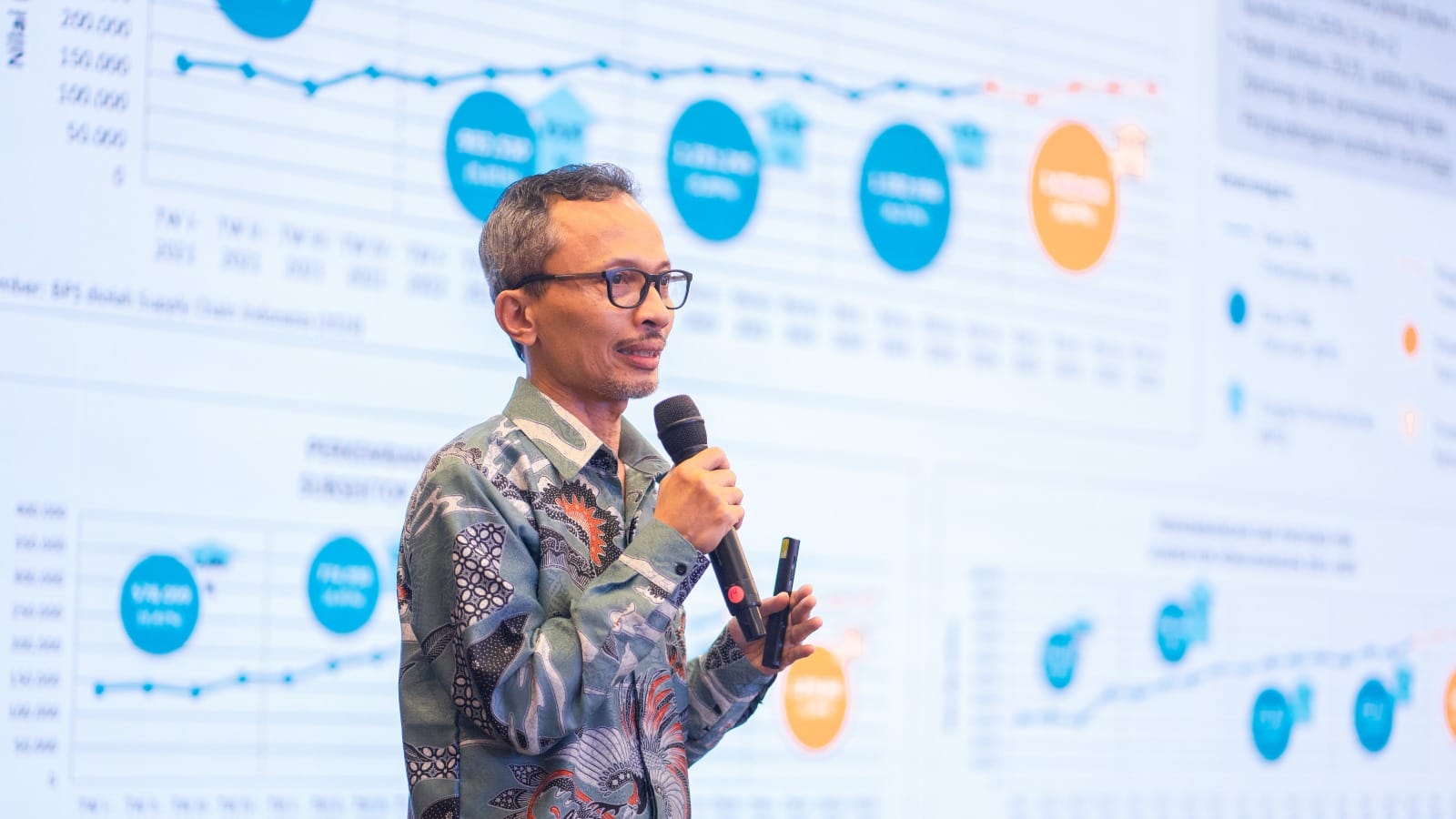
“An IPO is not merely about selling shares. It is a process of corporate transformation,” Michell said.
He argued that the most significant benefits of IPO preparation often emerge before a company enters the stock market. The process forces businesses to strengthen governance structures, improve reporting systems, establish internal controls, enhance risk management and build a more professional organization.
In this sense, IPO readiness should be viewed as a strategic investment rather than a cost, he said.
“Healthy companies create jobs. Healthy companies generate tax revenues. Healthy companies drive innovation and improve national competitiveness,” Michell noted.
He believes that Indonesia’s long-term economic resilience depends not only on macroeconomic policies but also on the quality of its companies.
The country needs more businesses capable of evolving into institutions rather than remaining founder-dependent enterprises. It needs more companies that can access capital markets, attract investment, create employment and generate sustainable value. More importantly, it needs companies that are prepared to operate with higher standards of governance, transparency and accountability.
According to Michell, discussions about IPOs should not be limited to the capital market alone. At their core, they are discussions about the future quality of Indonesian companies and the long-term competitiveness of the national economy.
The seminar, which also featured Kevin Praharyawan of BRI Danareksa Sekuritas, Limiati Purnomo of Telkom Indonesia, Sofiyan Adhi Kusumah Dinata of IDX, and Ridho Fathoni of KAP Suharli, Sugiharto & Rekan, delivered a common message to Indonesian businesses.
Market conditions may change. Investor sentiment may fluctuate. Economic cycles may come and go. But company quality can be built today. Ultimately, strong capital markets are built on strong companies. Strong companies support a stronger economy. And a stronger economy will determine Indonesia’s competitiveness in the years ahead. Or, as repeatedly echoed throughout the seminar: Stronger Companies. Stronger Economy. Stronger Indonesia.
Discover more