
Beyond Sushi and Satay: Indonesia Eyes Japanese Blueprint to Dominate Global Gastronomy Tourism
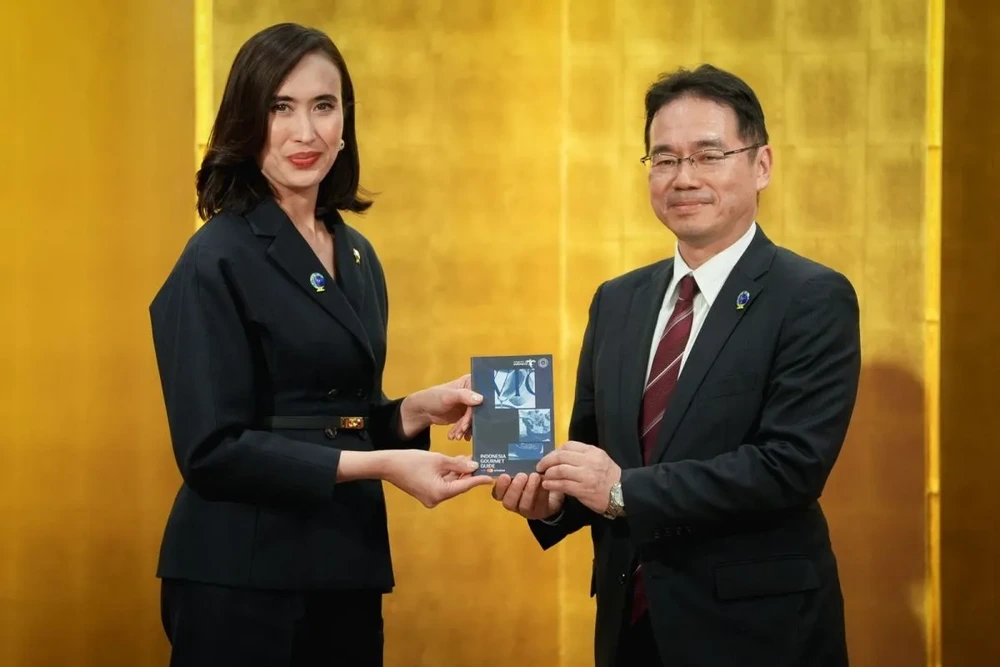
JAKARTA, Indonesia (JakartaWeekly.com) – Indonesia is looking to trade culinary secrets with Japan, but not in the kitchen. In a high-level strategic pivot, Jakarta has expressed a keen interest in adopting the “Japanese Model” to transform its vast archipelago of flavors into a world-class tourism magnet.
During a formal meeting with the Japan Tourism Agency (JTA) on Tuesday, Indonesian Tourism Minister Widiyanti Putri Wardhana signaled that the “Wonderful Indonesia Gastronomy” program is ready to move beyond local promotion toward global soft-power dominance. The goal? To replicate Japan’s success in making food not just a meal, but the primary reason for a journey.
The 60-Million-Visitor Blueprint
The talks, led by JTA Commissioner Shigeki Murata, focused on Japan’s ambitious roadmap to attract 60 million international tourists by 2030. For Indonesia, which is currently refining its own “quality tourism” strategy, Japan’s ability to manage massive tourist flows while maintaining high-end, sustainable experiences is seen as the gold standard.
“We see how Japan has successfully made gastronomy a vital part of its tourism appeal,” Widiyanti said in an official statement. “Indonesia is developing a similar approach, and we hope JTA can become a partner in the gastronomy network we are pushing for 2026.”
Leading the ASEAN Plate
The timing of the collaboration is strategic. Indonesia is currently at the helm of the ASEAN Gastronomy Network, a regional initiative aimed at linking agriculture, cultural tradition, and culinary arts across Southeast Asia.
By aligning with Japan, Jakarta seeks to bridge the gap between traditional heritage and modern tourism infrastructure. The partnership is expected to focus on:
- Knowledge Exchange: Understanding the logistics of “foodie” tourism and quality control.
- Joint Promotion: Leveraging the global “cool factor” of Japanese cuisine to elevate Indonesian culinary profiles.
- Sustainability: Managing the agricultural supply chains that feed the tourism industry.
Food as National Identity
Japan’s success lies in its “storytelling”—the way a bowl of ramen or a piece of wagyu represents a specific prefecture, season, or tradition. Minister Widiyanti noted that Indonesia’s culinary diversity offers a similar, if not larger, palette, but requires the refined strategic “packaging” that the JTA has mastered.
As Indonesia prepares to roll out its revamped gastronomy network in 2026, the dialogue with Tokyo represents more than just a diplomatic courtesy. It is a calculated move to ensure that when travelers think of “gastronomy,” the spices of the Indonesian archipelago are as top-of-mind as the delicate flavors of Tokyo.
Discover more