Silmy Karim Case Highlights Importance of Immigration Oversight
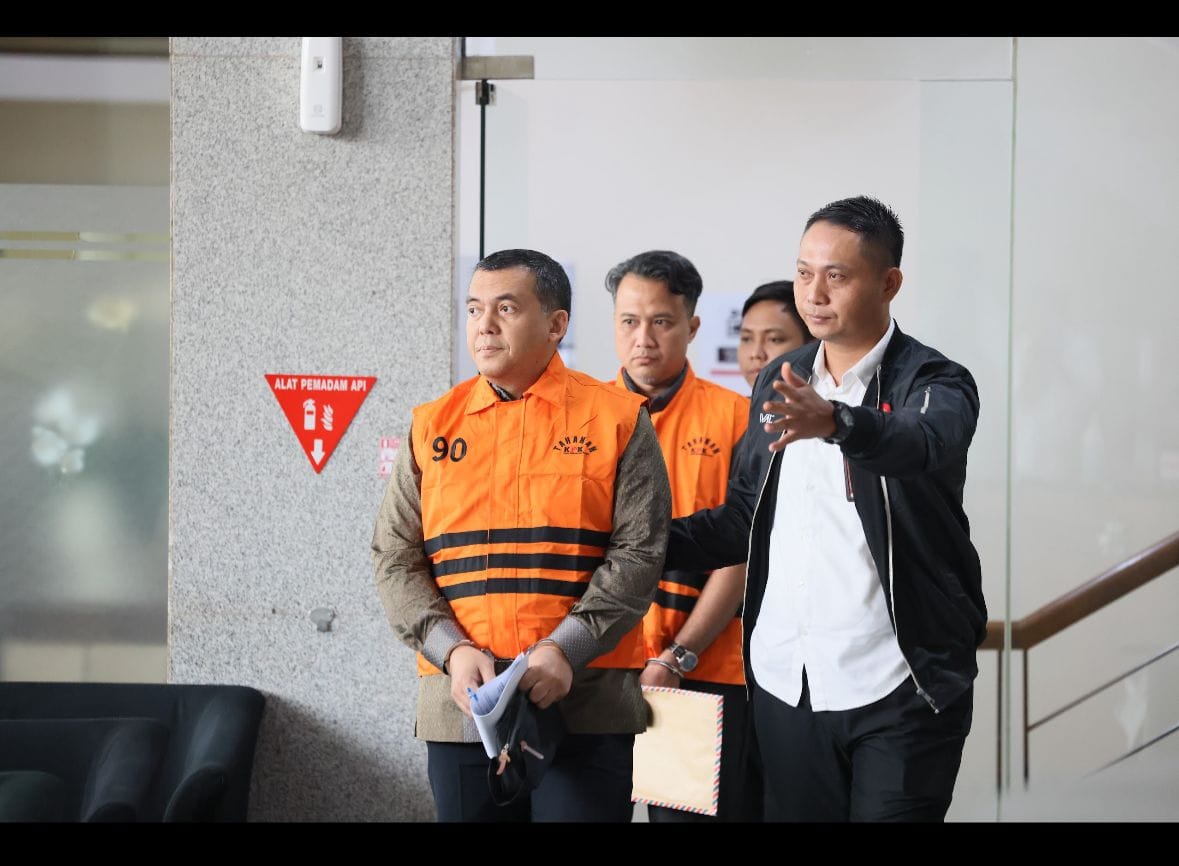
JAKARTA, Jakartaweekly.com — A corruption case involving former Deputy Minister of Immigration and Corrections Silmy Karim and several immigration officials has underscored the importance of strict oversight in Indonesia’s immigration sector.
Criminal law expert from Trisakti University, Abdul Fickar Hadjar, said tight supervision in immigration serves as an important signal to various parties that Indonesia is not a country that is easy to enter or settle in.
“Especially for foreign nationals seeking to evade legal scrutiny in their home countries,” he told Jakarta Weekly on Friday, June 5, 2026.
He said the case could serve as a catalyst for the government to further tighten immigration oversight, ranging from fee collection practices to residency permit requirements for foreign nationals.
According to him, stricter supervision is necessary because complex procedures involving multiple stakeholders can create opportunities for abuse by certain individuals.
In the case involving the former deputy minister, he noted that alleged abuse stemmed from the lengthy and multi-layered procedures for obtaining Temporary Stay Permits (KITAS) and Permanent Stay Permits (KITAP).
“The KITAS and KITAP processes are lengthy and involve detailed supervisory mechanisms. It appears these procedures were turned into a commodity, which is why the KPK identified them as part of an alleged corruption scheme,” Abdul said.
He added that the government should also tighten oversight because public officials coming from the private sector may tend to view activities through a business-oriented lens.
When entering public office, he said, there is an adjustment process as all revenues from public services must belong to the state.
“If this principle is circumvented, actions may emerge that are practically similar to business activities. However, legally, they fall under corruption,” he said.
For context, Corruption Eradication Commission (KPK) Chair Setyo Budiyanto explained that during his tenure as Director General of Immigration in 2023–2024, Silmy Karim, through former Director of Stay Permit Services Jaya Saputra, allegedly extorted foreign nationals applying for residency permits by demanding additional fees.
The permits in question included extensions of stay, status changes, address updates, and dependent applications, such as permits for spouses and children of foreign nationals.
According to Setyo, the application process was deliberately complicated through repeated rejections at the verification stage. As a result, applicants were allegedly forced to pay additional fees at immigration office counters for their applications to be processed.
In the alleged scheme, a staff member at the Sub-Directorate of Stay Permits, Gusti Bernadiansyah, reportedly used a number of nominee bank accounts to collect payments from applicants.
In the case involving Silmy Karim and seven former immigration officials, the KPK is tracing financial flows through 96 bank accounts totaling Rp366.7 billion. Of that amount, Rp9.67 billion came from official salaries and allowances, while the remaining Rp357 billion allegedly originated from immigration service applicants.
The KPK also revealed that between 2022 and 2026, each individual allegedly received at least Rp145.5 billion through cash payments, bank transfers, or intermediaries. The funds were reportedly distributed every Friday, including to Silmy Karim. The former CEO of Pindad and Krakatau Steel is alleged to have received a routine allocation of around Rp100 million per week.
Before joining the government, Silmy Karim was widely known for his corporate career. He led restructuring and efficiency reforms at state-owned steelmaker PT Krakatau Steel (Persero) Tbk, which had suffered losses for years, helping restore its financial performance.
However, in January 2023, he left the corporate sector to become Director General of Immigration. During his tenure, he pushed for the digitalization of immigration services, including digital passport services, e-visa systems, biometric technology implementation, autogates at major international airports, and modernization of border checkpoints.
Discover more