Ahead of June 2026 FOMC Meeting, Bowman Signals the Fed May Not Need to Change Interest Rates Yet
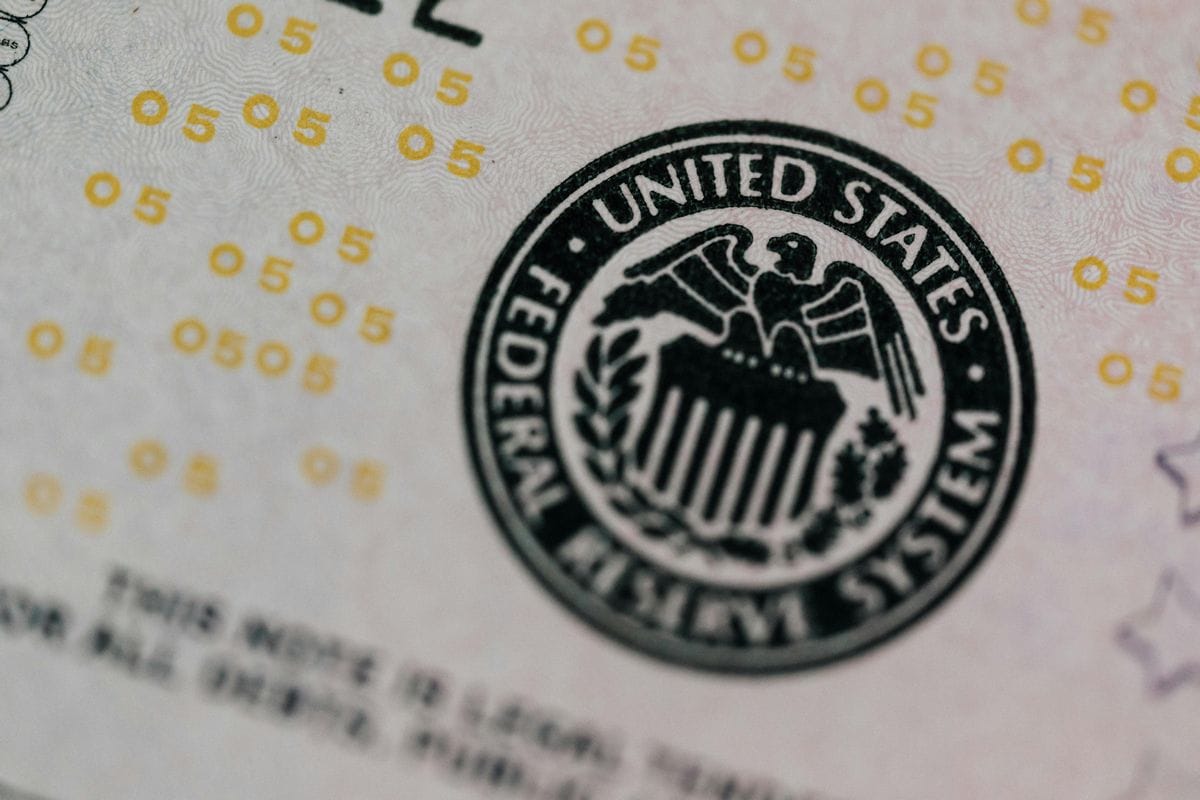
REYKJAVIK, Jakartaweekly.com — Federal Reserve Vice Chair for Supervision Michelle W. Bowman indicated that the U.S. central bank may still have room to keep its benchmark interest rate unchanged ahead of the next Federal Open Market Committee (FOMC) meeting in mid-June 2026.
Speaking at the Reykjavík Economic Conference 2026 in Iceland on Friday (May 29, 2026) local time, Bowman said the U.S. economy remains relatively resilient despite pressure from rising energy prices and uncertainty stemming from the conflict in Iran.
However, she also cautioned that the labor market continues to show signs of vulnerability.
“For now, a moderately restrictive policy stance remains appropriate to help maintain labor market stability while allowing inflation to move back toward the 2 percent target once the effects of tariffs and higher oil prices fade,” Bowman said.
Bowman explained that U.S. Personal Consumption Expenditures (PCE) inflation rose to 3.8 percent in April 2026, while core PCE inflation increased to 3.3 percent.
Nevertheless, she argued that the rise was largely driven by temporary factors, including higher energy prices linked to the Middle East conflict, the effects of trade tariffs, and price changes in several software-related categories.
On the other hand, the labor market has not fully recovered. The unemployment rate remained at 4.3 percent in April, but several indicators pointed to weakness, including a declining job-finding rate and a growing number of long-term unemployed workers.
According to Bowman, it is still too early to assess the full economic impact of the conflict in Iran on the U.S. economy. If disruptions to energy supplies ease in the near future, the inflationary impact is likely to be temporary.
However, if the conflict continues into the second half of the year, broader inflationary pressures could emerge.
As a result, Bowman said she would like to gain greater clarity regarding the economic consequences of the conflict before supporting any shift in the direction of monetary policy. She also emphasized the importance of closely monitoring additional inflation and labor market data that will be released before the June FOMC meeting.
In her remarks, Bowman stressed that a central bank’s credibility depends on consistency in assessing economic conditions and making policy decisions.
According to her, every interest-rate decision should be based on balancing the objectives of maintaining price stability and supporting maximum employment.
Against this backdrop, Bowman’s speech suggests that the likelihood of the Fed keeping interest rates unchanged at the June FOMC meeting remains relatively high, as policymakers await greater certainty regarding the impact of the Iran conflict and the future path of inflation in the months ahead.
(Read Jakartaweekly.com news on Google News)
Discover more